Homeowner Says Previous Owner Asked to Gather Plums From Her Mother’s Tree, Then Arrived With Buckets and a Ladder and Nearly Cleared the Entire Garden
A person shared his story after discovering that buying a house came with one unexpected complication: the previous owner’s family history was still hanging from a plum tree in the backyard. The tree had been planted decades earlier by the former owner’s late mother, and the new homeowner understood why it carried sentimental value. What he did not expect was that one friendly invitation would turn into an annual harvest operation.
The Plum Tree That Came With a History
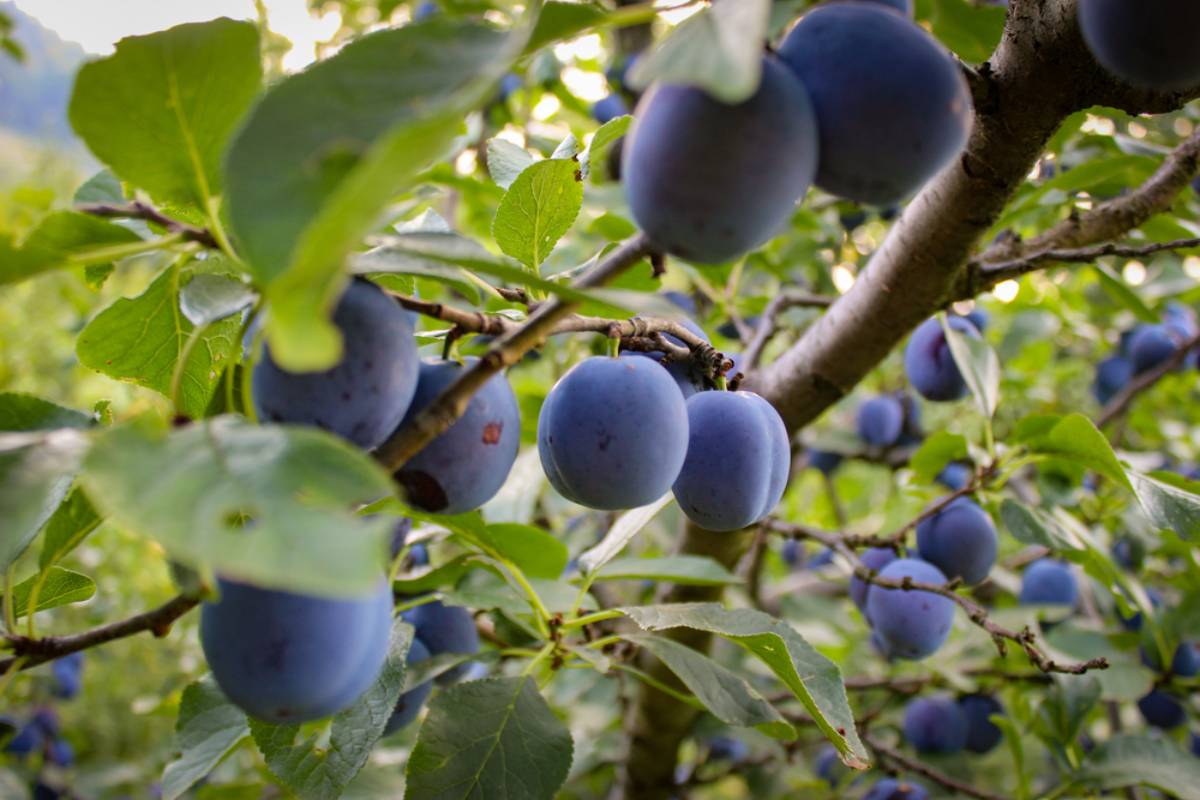
When the homeowner bought the property last summer, the backyard already had one obvious star. A large plum tree stood near the patio, mature enough to cast plenty of shade and produce far more fruit than a young garden could manage.
It was exactly the kind of tree many gardeners dream of inheriting with a house. The branches were full, the fruit was plentiful, and it gave the backyard a sense of age that landscaping alone cannot create.
Then the Previous Owner Sent a Message
A few weeks after moving in, the new homeowner heard from the previous owner. She explained that her late mother had planted the plum tree and asked whether she could come by when the fruit was ready.
The homeowner thought the request was reasonable. He knew the tree represented something much bigger than a collection of plums, so he agreed and assumed the visit would be a small sentimental harvest.
The First Harvest Was Anything but Small
When the day finally came, the previous owner did not arrive alone. She brought her husband, two large buckets, and a ladder, turning what sounded like a quick fruit-picking visit into something that looked suspiciously like a professional harvest.
The couple started gathering ripe plums from all over the tree. They did not simply take a few handfuls for old times’ sake, either. They picked nearly every ripe plum they could reach, including fruit hanging over the homeowner’s patio.
The New Owner Watched His Own Tree Disappear
The homeowner had expected to enjoy some of the fruit himself, but that plan quickly vanished. By the time the couple finished, there was barely anything left for him to collect.
To make matters worse, the ground was scattered with fallen fruit and broken twigs. The sentimental visit had somehow ended with the new homeowner staring at a backyard cleanup project involving his own tree.
A Family Tradition Was Waiting in the Wings
The previous owner eventually explained why she had been so enthusiastic. Her family had used the plums to make jam every year for nearly two decades, so collecting the fruit was not simply about eating something fresh from the garden.
That history made the homeowner understand the emotional attachment even more. He could appreciate the tradition while still wondering how a tree standing in his backyard had somehow remained part of someone else’s annual plans.
Then Came the Question for This Year
The next season brought the problem back around. The previous owner contacted him again and asked which weekend would be best for them to come collect the plums.
This time, the homeowner gave a different answer. He explained that he planned to keep the fruit himself because he wanted to make something with it, and the reaction was much stronger than he expected.
The Friendly Favor Suddenly Became an Argument
The previous owner was upset that he had changed his mind. She reminded him that he knew the tree had deep meaning for her family and seemed to expect the tradition to continue despite the ownership change.
The homeowner felt caught between sympathy and boundaries. He understood the grief behind the request, but he also had spent a significant amount of money repairing and improving the yard. He did not want a former resident treating one corner of his garden as though she still had a standing claim to it.
Then She Offered Him Jam
The previous owner even tried to smooth things over by offering him a few jars of the homemade jam. Under different circumstances, that might have been a charming compromise.
But the homeowner realized the jam was not really the issue. He was not trying to negotiate a trade for fruit. He was trying to decide who gets to control what happens on his property now that the keys belong to someone else.
His Sister Saw Things Completely Differently
The homeowner’s sister thought he was being too strict. From her perspective, allowing the previous owner to take one bucket would cost him little and preserve an important family tradition.
Her argument was simple enough to sound convincing. There was a huge plum tree, the former owner’s mother had planted it, and the fruit would grow back next year anyway. Why not share?
But One Bucket Was Not What Happened Last Time
The homeowner had a very clear memory of how that first arrangement actually worked. He had said yes to a sentimental visit, but the previous owner and her husband had arrived prepared to collect a substantial portion of the harvest.
The problem was not merely the amount of fruit. It was the assumption that they could bring equipment, climb into the tree’s canopy, clear the ripest branches, and leave the cleanup behind without treating it like a favor that had been granted by the new owner.
The Ladder Raised an Entirely Different Problem
Several people who heard the story focused on something the homeowner had barely mentioned at first. The previous owner had brought a ladder onto someone else’s property and climbed it to collect fruit.
That turns a simple gardening visit into a much riskier situation. A mature tree can have awkward footing, uneven ground, hidden branches, and plenty of ways for a ladder to become unstable. Suddenly, what looked like a harmless plum-picking tradition came with an entirely different level of responsibility.
Other Gardeners Had Their Own Fruit-Picking Stories
A response from a person described a very different arrangement involving an old apple tree on a neighboring property. In that case, the picker eventually received permission to gather the apples and even continued a playful tradition of sneaking around the wall because the apples somehow tasted better when they were “stolen.”
The important difference was that everyone knew exactly what had been agreed to. The property owners welcomed the harvest, the picker understood the boundaries, and the arrangement even resulted in homemade apple wine being shared afterward.
Another Fruit Tree Story Took a Much Darker Turn
A response from a person also described a situation where someone was invited to pick lemons with a ladder. The visitor fell from it and later pursued a legal claim against the homeowner.
That story made the plum-tree situation look considerably less innocent. Once ladders, visitors, injuries, and property access enter the picture, a casual family tradition can become a headache that nobody planted.
The Homeowner Finally Drew a Line in the Soil
After thinking it over, the homeowner decided that the plum harvest would be his from now on. He had not purchased the house with an agreement that the old owners could return every year for a share of the garden.
His decision was not really about being stingy with fruit. It was about recognizing that the garden had entered a new chapter. The previous owner’s memories could remain precious without giving her permanent access to the property.
The Tree Could Stay Without the Tradition
There was also something surprisingly graceful about the situation once the emotion was stripped away. The homeowner was not planning to cut down the plum tree, replace it, or erase every trace of the previous family.
The tree could continue growing exactly where it had always stood. What changed was simply who decided what happened to the plums, who cared for the branches, and who got to plan the harvest.
The Twist Was Never Really About the Plums
At first glance, this looked like a tiny disagreement over a bucket of fruit. By the end, it had become a story about ownership, memory, gardening, and the strange ways old traditions can follow a house long after the family has moved away.
The homeowner seemed willing to respect the tree’s history, but he no longer wanted to live as though the previous owner’s family still had a reserved seat in his backyard. Sometimes the hardest part of taking over a garden is not learning how to grow something new. It is deciding where someone else’s old story ends and your own begins.