Homeowner Says She Can’t Enjoy Her Garden Anymore Because of Neighbors, Now She’s Trying to “Fix the Space Instead of Fighting Them”
For many people, a garden isn’t just a place to grow plants. It’s supposed to be a retreat, somewhere quiet, calm, and separate from the stress of everyday life.
But for one homeowner, that peaceful vision quickly unraveled.
What started as excitement over creating a backyard space turned into frustration, as noise and activity from nearby neighbors made it nearly impossible to relax. Instead of enjoying the space she worked hard to build, she found herself avoiding it altogether.
Now, she’s taking a different approach, not by confronting her neighbors, but by trying to redesign her garden so it actually works for her.
“I Just Wanted a Peaceful Space”
The homeowner explained that she had put time, effort, and money into her garden with one goal in mind: to create a place where she could unwind.
But once the weather warmed up and people began spending more time outside, the reality changed.
Noise from neighboring yards, including kids playing and constant activity, made it hard to sit outside for more than a few minutes at a time. Instead of feeling like a private escape, her garden started to feel exposed and chaotic.
“I just wanted somewhere quiet to sit,” she shared, frustrated by how quickly that expectation disappeared.
When a Garden Doesn’t Feel Like Your Own
This situation is more common than many gardeners expect.
A backyard can look beautiful, be full of healthy plants, and still feel completely unusable if the environment around it isn’t right. Noise, lack of privacy, and nearby distractions can change how a space feels, even if nothing is technically “wrong” with the garden itself.
In this case, the issue wasn’t the soil, the plants, or the layout.
It was the experience of being in the space.
And that’s something many homeowners don’t think about until after everything is already planted and set up.
The Shift: “I Can’t Control Them”
At first, the frustration was directed outward.
Like many people in similar situations, the homeowner found herself focusing on what her neighbors were doing, and wishing it would stop.
But over time, that mindset started to shift.
“I can’t control what other people do,” she realized.
That became the turning point.
Instead of continuing to feel stuck, she began looking at what she could change, her own garden.
Rethinking the Space Instead of Fighting It
Rather than seeing the problem as something external, she started to treat it like a design issue.
If the garden didn’t feel peaceful, what could she add or change to make it feel that way?
This is where gardening becomes more than just planting flowers. It becomes about shaping an environment.
And for many people, small changes can make a big difference.
Creating Privacy That Actually Works
One of the first things she looked into was privacy.
Open yards often feel more exposed than people expect, especially when neighbors are close by. Without any visual barrier, it’s hard for a space to feel calm or separate.
Some of the options she considered included:
- Planting fast-growing hedges
- Adding trellises with climbing plants
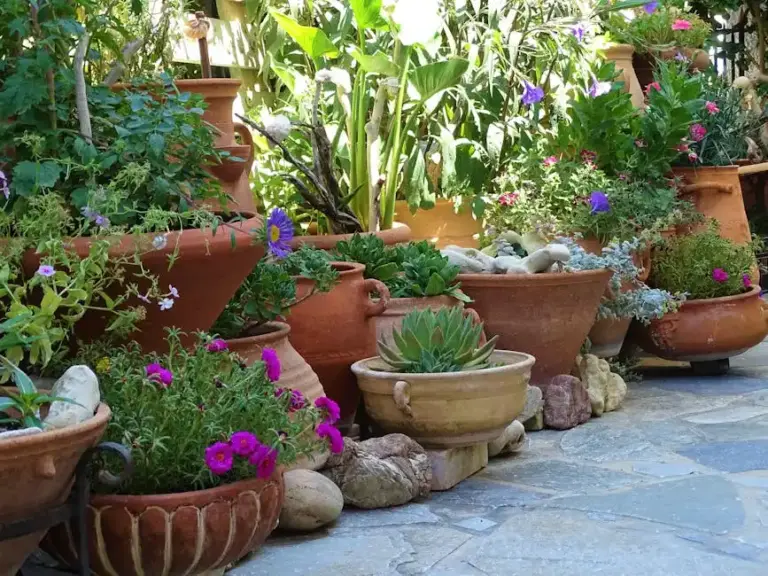
- Using tall planters or layered greenery
These don’t just block views, they create a sense of enclosure, which can make a space feel more intentional and protected.
Using Sound to Change the Atmosphere
Noise was a major issue, but eliminating it completely wasn’t realistic.
Instead, the goal became masking it.
Water features, like small fountains, can help soften background noise and make it less noticeable. Even the sound of leaves moving in the wind or dense plant coverage can reduce how sharp outside noise feels.
This isn’t about making everything silent, it’s about changing how the space sounds overall.
Designing for How the Space Feels
Another realization was that her garden had been designed mostly for how it looked, not how it felt to be in.
So she began thinking differently:
- Where is the quietest corner of the yard?
- Can seating be moved away from the busiest side?
- Are there ways to create a more enclosed “zone” within the garden?
Even shifting a chair or adding a partial barrier can change how usable a space feels.
A Problem More People Are Facing
As more neighborhoods become densely packed, this kind of issue is becoming increasingly common.
People invest in their outdoor spaces expecting peace, but find that external factors, especially noise, shape their experience more than they expected.
It’s not always realistic to change what’s happening around you.
But it is possible to change how your space responds to it.
“I Still Want to Enjoy It”
The homeowner hasn’t completely solved the problem yet.
But the mindset shift has made a difference.
Instead of feeling stuck or resentful, she’s now focused on improving what she can control.
“I still want to enjoy it,” she said, and that’s what’s driving the changes she’s making.
The Bigger Takeaway
A garden isn’t just about plants.
It’s about how the space makes you feel.
And sometimes, the biggest improvements don’t come from better soil or new flowers, but from rethinking how the space works in real life.
Because while you can’t control your neighbors, you can design a garden that helps you tune everything else out.