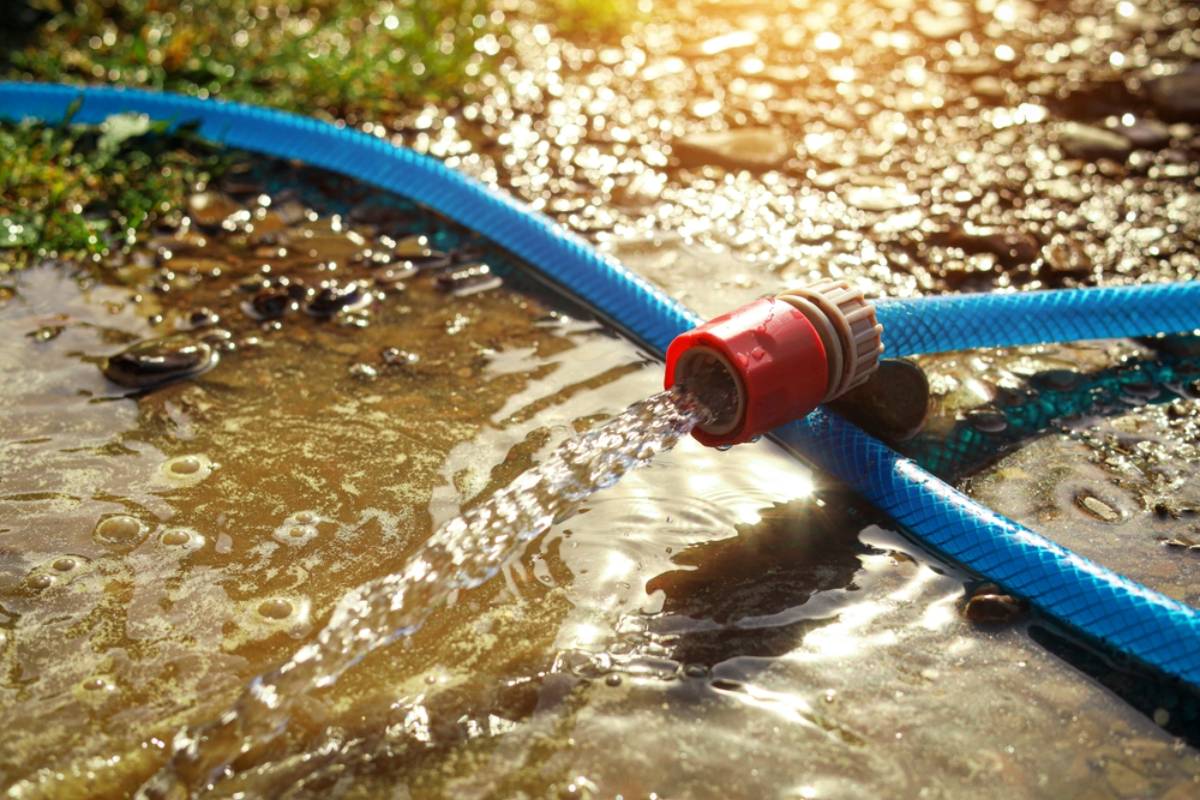
Homeowner Says She Watered Her Garden and Left a Hose Running in the Backyard, Then Returned Hours Later to Find Her Fish Pond Overflowing and Her Garden Underwater
A person shared his story about a summer gardening routine that turned into an embarrassing water-wasting accident. The homeowner had been watering the plants in the garden during the hot weather, making sure the greenery received enough moisture to survive the heat. However, the backyard also contained an artificial ring-shaped pond filled with guppies, and keeping its water level high had become another regular chore. What started as an ordinary afternoon of garden maintenance soon became a memory he wished he could erase.
The pond’s water level seemed to drop dangerously low every day, so refilling it after watering the plants had become part of the routine. With the summer heat drying things out quickly, the homeowner wanted to keep the fish comfortable while making sure the garden remained healthy. Unfortunately, the simple process of watering the plants and topping up the pond required a little more attention than he realized. One forgotten hose was about to turn the peaceful backyard into a watery surprise.
The Garden Needed Water, but the Pond Needed Attention Too
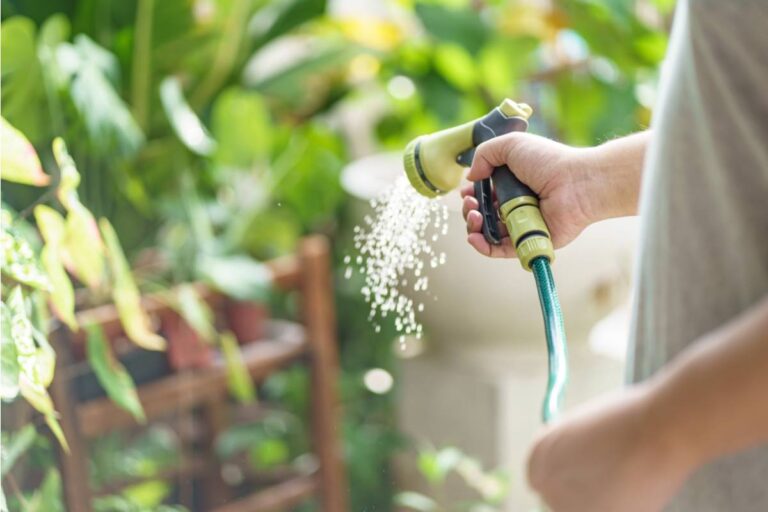
During the summer, keeping plants hydrated can feel like a never-ending responsibility, especially when temperatures climb and the soil dries out quickly. The homeowner had settled into a routine of watering the garden before moving on to the pond, where the guppies depended on a suitable water level. It probably felt reassuring to handle both jobs in one afternoon rather than return outside repeatedly. Yet combining two watering tasks created an unexpected opportunity for something to go wrong.
The pond was not simply a decorative feature sitting quietly among the plants. It was home to a collection of little fish that needed regular care, and the homeowner was trying to keep their environment from becoming too dry. After finishing the gardening work, he placed the hose into the pond and left it running until the water rose above halfway around the ring. That familiar routine worked well enough, provided someone remembered to turn the water off.
One Small Gardening Task Slipped From Memory
The trouble began at approximately five in the afternoon, when the homeowner left the hose filling the pond. Having finished watering the plants, he went inside to shower and continue with his usual daily activities. In the middle of everything else, the running water completely slipped his mind. The hose continued doing exactly what it had been left to do, even though nobody was watching.
There was no dramatic warning that something was going wrong outside. The homeowner was simply carrying on with his evening, apparently unaware that the pond was steadily filling beyond its intended level. Meanwhile, water continued flowing into the backyard long after the original task should have been finished. A chore that might normally have taken a little while had quietly become an hours-long accident.
The Hose Kept Running While the Evening Passed
As the evening progressed, the unattended hose continued pouring water into the pond. The homeowner had intended to refill the water feature, not create a miniature flood in the garden. But without a timer, an alarm, or a reminder to check the water level, there was nothing to interrupt the process. The backyard was left to deal with the consequences of one very ordinary lapse in attention.
This is one of those gardening mishaps that can happen when a familiar task becomes automatic. People water their plants, move on to another chore, and assume they will remember to return when necessary. Unfortunately, the human brain does not always cooperate with even the simplest plans. In this case, the hose became the most hardworking thing in the garden, and nobody was there to tell it when to stop.
A Routine Trip Outside Revealed the Disaster
At around 8:30 in the evening, the homeowner finally returned outside to check on the fish. Instead of finding the pond at its usual level, he discovered that it was overflowing. Water had spread across the surrounding area, leaving the backyard much wetter than he had intended. The sight immediately made him realize just how long the hose had been running.
The timing made the discovery even more stressful because it was already dark outside. The homeowner could see the excess water, but he could not easily determine whether all the guppies were still safe inside the pond. What had begun as an attempt to care for the garden and its fish had suddenly become a worrying situation. Rather than enjoying a peaceful evening outdoors, he was left wondering what damage his forgetfulness might have caused.
The Biggest Worry Was Whether the Guppies Were Safe
Although the wasted water was upsetting, the homeowner also worried about the little fish living in the pond. He could see that some guppies were still there, but the darkness made it difficult to assess the situation properly. The overflowing water raised questions about whether any fish might have been swept out of their home. At that moment, he did not have a clear answer.
For someone who takes the time to maintain a garden pond, even a small fish can become part of the daily routine. Feeding them, monitoring the water level, and making sure their environment remains suitable are all responsibilities that come with keeping aquatic life. The homeowner had been trying to look after the guppies, which made the accident feel especially frustrating. His attempt to provide enough water had gone far beyond what the pond needed.
The Water Waste Left Him Feeling Terrible
After discovering the overflow, the homeowner focused on how much water had been wasted because of his mistake. He described feeling deeply disappointed in himself, treating the incident as evidence that he had been careless. The fact that the water had been running for several hours made the situation seem much worse in his mind. Instead of seeing a mistake that could be corrected, he struggled with the feeling that he had done something genuinely foolish.
The situation also highlighted an important part of responsible gardening: using water thoughtfully. Plants need regular hydration, particularly during hot weather, but that does not mean every watering task should be left unattended. A running hose can waste a surprising amount of water when nobody is monitoring it. For the homeowner, the lesson arrived through an uncomfortable experience rather than a simple reminder.
A Response From a Person Offered a Different Perspective
A response from a person encouraged the homeowner to consider why he was calling himself stupid so repeatedly. The person pointed out that everyone makes mistakes and asked whether he would judge a friend so harshly for doing the same thing. It was a gentle reminder that people often show others more understanding than they show themselves. Sometimes, a little perspective can make an embarrassing situation easier to handle.
The response also suggested that the homeowner deserved to offer himself the same kindness he would give someone else. After all, he had not deliberately set out to waste water or endanger his fish. He had been performing an ordinary household task and forgotten to return to it. That distinction did not undo the accident, but it offered a healthier way to think about what had happened.
Other Gardeners Knew How Easily Watering Can Go Wrong
Another response from a person shared a similar experience involving water being left running for too long. In that case, the water had been left on for horses, eventually creating a situation in which the animals were surrounded by far more water than intended. The person explained that the resulting water bill had not been pleasant, but emphasized that mistakes happen. Hearing a story from someone who had experienced a comparable mishap helped put the pond incident into perspective.
That comparison revealed something familiar about outdoor chores. Whether someone is watering a vegetable patch, filling a pond, or providing water for animals, the task can become a problem when it is forgotten. Gardeners often manage several responsibilities at once, and a simple distraction can have consequences. Fortunately, these experiences can also encourage practical habits that help prevent the same problem from happening again.
A Simple Timer Could Have Prevented the Overflow
One response from a person offered a straightforward solution: use a timer whenever filling the pond. The person explained that they usually allowed a set amount of time before checking the water again, rather than trusting themselves to remember when the task was complete. The approach was simple enough to work without buying complicated equipment or redesigning the garden. It turned an easy-to-forget chore into something with a clear stopping point.
A phone alarm could serve the same purpose for someone who already carries a phone throughout the day. Setting a reminder before turning on the hose creates an external prompt that does not depend on memory alone. A shorter initial timer can also encourage someone to inspect the water level before deciding whether more time is needed. For a garden pond, that small adjustment can help prevent another evening of unexpected flooding.
A Bright Reminder Could Make the Hose Harder to Forget
Another response from a person suggested attaching a bright ribbon to the hose as a visual reminder. The idea was to make the running hose more noticeable, especially when the homeowner moved between outdoor and indoor chores. A colorful marker could act as a signal that the watering task was not finished yet. It would not stop the water automatically, but it might help interrupt the habit of walking away.
Visual reminders can be especially useful in gardens where several chores happen in the same place. A hose left beside a flower bed might blend into the surroundings, particularly when someone is distracted by other tasks. A bright marker gives the equipment an extra cue that something still needs attention. Combined with a timer, it could provide a practical layer of protection against another forgotten watering session.
The Pond’s Daily Water Loss Raised Another Question
The incident also prompted a response from a person who wondered whether the pond might have a leak. If a pond loses water unusually quickly every day, checking for leaks can help identify a problem that routine refilling alone will not solve. The homeowner explained that some leaks had recently been repaired. He also noted that the summer heat in his area was severe enough to dry out even large ponds.
That exchange offered a useful reminder for anyone maintaining a backyard water feature. Water levels can fall because of evaporation, leaks, splashing, or other factors, and understanding the cause can reduce unnecessary refilling. Shade may help limit evaporation, although any cover should be designed with the fish’s oxygen needs, feeding, and access to the pond in mind. A little investigation could help the homeowner spend less time topping up the water and more time enjoying the garden.
The Accident Was Not the Same as Deliberate Waste
A response from a person also pointed out that a single accidental episode of running water for a few hours was not the same as routinely wasting water on a much larger scale. People use water for lawns, swimming pools, golf courses, and many other activities, sometimes in enormous quantities. That observation did not make the homeowner’s mistake disappear, but it offered a broader perspective on the scale of the incident. The goal was to learn from the experience rather than allow one accident to define the person who made it.
The homeowner appeared receptive to the reassurance, acknowledging that the perspective made sense. That reaction became an important turn in the story because the conversation moved away from self-blame and toward practical solutions. Caring about water conservation is worthwhile, but excessive guilt does not make a garden more sustainable. Taking responsibility and changing a habit are much more useful responses to an avoidable mistake.
A Backyard Mishap Became a Lesson in Garden Care
By the end of the discussion, the incident had become more than a story about a hose that nobody remembered to turn off. It highlighted the importance of checking garden equipment, monitoring pond water levels, and using reminders for tasks that can continue unattended. Even experienced gardeners can have distracted moments, especially when outdoor chores overlap with the rest of daily life. What matters is whether the experience leads to a safer routine.
For this homeowner, the next watering session could look a little different, with a phone alarm, a visible reminder, and a closer check of the pond before going indoors. The fish would still need attention, and the plants would still need water, but the process could be more controlled. Sometimes the most useful gardening lessons come from the mistakes that make us stop and rethink our habits. And in this case, a forgotten hose provided a memorable reminder that even the simplest backyard chore deserves a proper finish.
The Final Twist Was That Kindness Helped More Than Self-Blame
The most unexpected part of the story was not the overflowing pond or the water spreading across the garden. It was how quickly a moment of embarrassment became an opportunity for other people to share reassurance and practical advice. Responses from people offered everything from timers and bright ribbons to suggestions about pond maintenance. What initially felt like a personal failure became a conversation about learning, problem-solving, and treating yourself with a little more patience.
The homeowner had wanted to care for his plants and fish, and the mistake happened while he was trying to do exactly that. The water waste was real, and preventing a repeat would be sensible, but there was no need to turn one accident into a judgment about his entire character. With a few changes to the watering routine, the garden could return to being a place of enjoyment rather than worry. Sometimes, the best thing a gardener can grow after a mishap is a better habit, along with a little more kindness toward himself.