Homeowner Spends Two Years Building a Thriving Vegetable Garden, Then Her Neighbor’s Dog Starts Digging Through the Fence and Destroying Her Crops
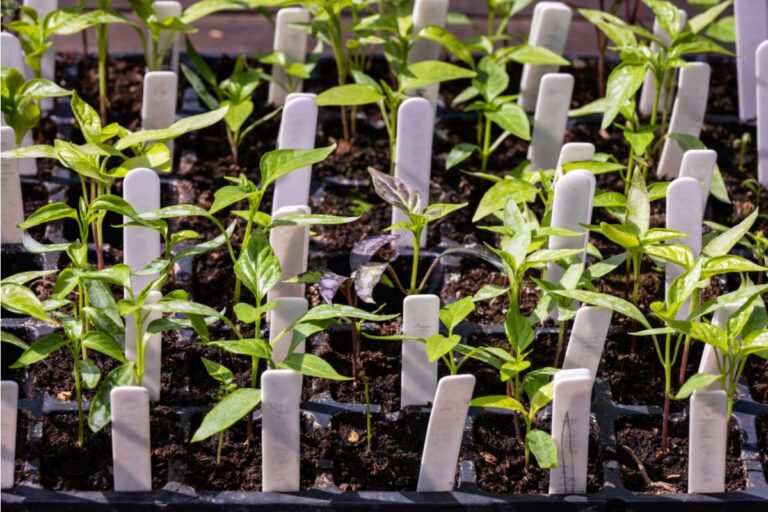
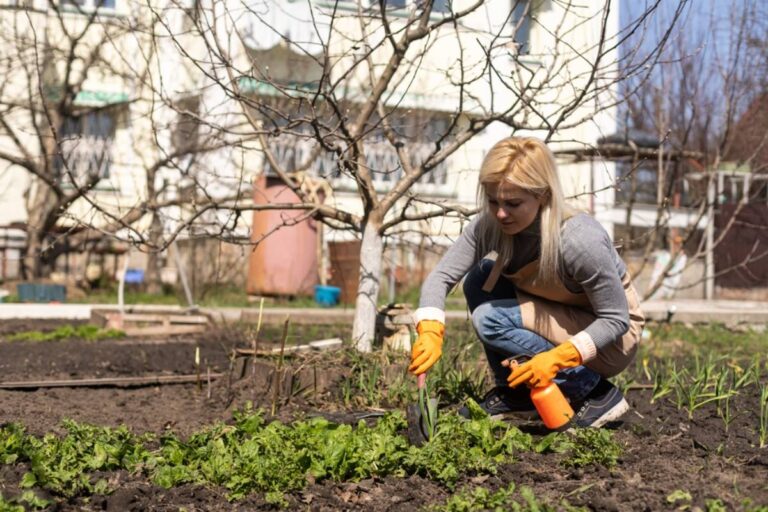
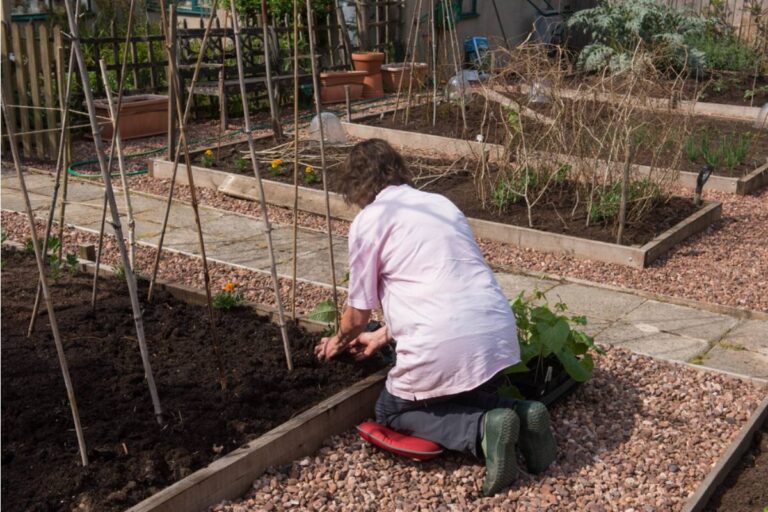
A person shared his story after spending nearly two years turning a decent-sized backyard into a productive vegetable garden. What started as an ordinary patch of grass gradually filled with tomatoes, peppers, herbs, and the kind of plants that make a gardener check the beds every morning. After all that time and effort, the garden had finally reached the point where it felt like a little backyard harvest was becoming a reality.
Then something strange started happening around the garden beds. Holes appeared in the soil, plants looked disturbed, and several growing spots seemed to have been dug up overnight. At first, the homeowner suspected the usual garden troublemakers, such as rabbits or squirrels, because blaming wildlife seemed much easier than blaming the neighbor’s dog.
The Mystery Was Hiding Under the Fence
There was one detail that made the whole situation more complicated. A gap had existed underneath the fence between the two yards since before the homeowner even moved into the house. He had always intended to repair it, but like many unfinished garden projects, the little fence problem kept getting pushed down the list.
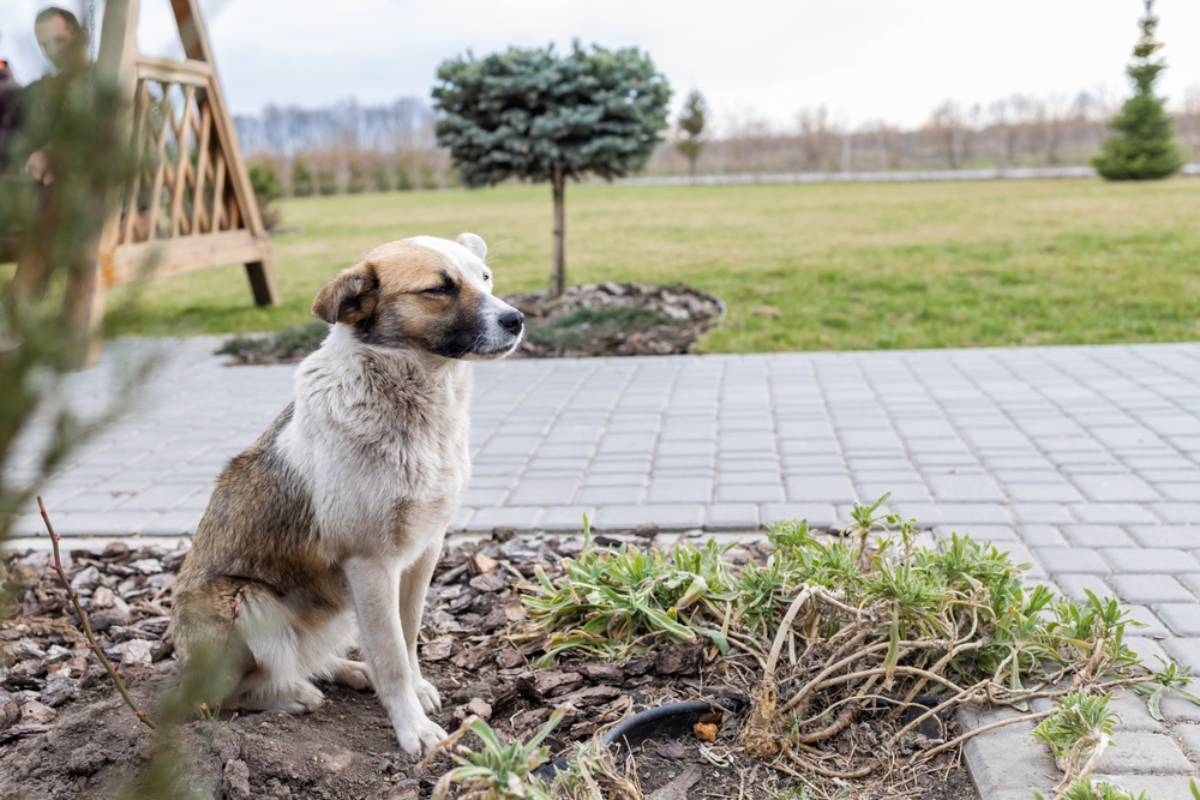
The mystery ended when the homeowner caught the neighbor’s large lab mix in the garden. The dog was not politely wandering around to smell the flowers either, as it was actively digging through one of the pepper plants. Suddenly, the mysterious holes in the vegetable beds had a very obvious explanation.
One Pepper Plant Became the First Casualty
The homeowner went over to speak with the dog’s owner and explained exactly what had happened. The neighbor apologized and said he would keep a closer eye on the dog from then on. For the moment, it seemed like the matter might end there without turning a garden border into the setting for a neighborhood feud.
Unfortunately, the pepper plant was only the beginning of the trouble. About two weeks later, the dog found its way into the garden again and managed to destroy a tomato plant that had just started producing. After patiently watching his plants take another hit, the homeowner decided that a more serious conversation was needed.
The Tomato Plant Changed the Conversation
This time, the homeowner did not simply report the damage and walk away. He told the neighbor that something had to change, either by repairing the fence gap or by keeping the dog inside whenever nobody was directly supervising it outdoors. From his perspective, it was no longer a one-time accident because the same problem had already happened twice.
The neighbor, however, did not agree with that reasoning. He pointed out that the gap had existed for years without causing trouble and appeared to believe the homeowner should handle the repair because he was the one growing the vegetable garden. Suddenly, the issue was no longer just about a hole under a fence, but about who was responsible for dealing with it.
Suddenly, the Garden Was Somehow the Problem
The homeowner argued that the person causing the damage should be responsible for preventing it. In his view, the dog was the one crossing into another yard and destroying plants, so controlling the dog seemed like the obvious responsibility of its owner. He did not think having a vegetable garden meant he was required to build an extra layer of protection around it.
The neighbor saw the situation differently and accused the homeowner of making too much of a problem over a few vegetables. That argument might sound convincing until you consider what gardening actually involves. A single tomato plant may take months of watering, pruning, feeding, and waiting before it produces anything worth picking, so watching one get flattened by a roaming dog is hardly the same as losing a handful of store-bought tomatoes.
The Fence Had Been Waiting for Its Moment
There was one uncomfortable fact the homeowner could not completely ignore. He had already planned to repair the fence gap before any of this happened. He simply had not gotten around to doing it, which meant the simplest solution was sitting there in front of him the entire time.
That detail created a strange dilemma. Fixing the gap himself would probably stop the dog from getting through, protect the garden, and eliminate the argument almost immediately. But it would also leave him feeling as though he had been handed the entire responsibility for a problem he believed his neighbor should have prevented.
His Spouse Had a Much Simpler Plan
The homeowner’s spouse was not interested in turning the fence gap into a long-running neighborhood dispute. She suggested simply fixing it and moving on rather than continuing to argue with the neighbor. From her perspective, a small repair seemed far less exhausting than watching more plants disappear while everyone debated who was technically responsible.
That practical approach was hard to dismiss. Gardening already comes with enough battles against weeds, insects, weather, and unpredictable growing conditions without adding a fence dispute to the list. Still, the homeowner worried that fixing the gap himself would send the message that the neighbor never had to take responsibility for controlling his dog.
The Real Concern Went Beyond the Vegetable Beds
The homeowner also had another concern that made the situation feel bigger than a damaged pepper and tomato plant. If the dog could squeeze through the fence whenever nobody was paying attention, there was always the possibility that it might wander somewhere more dangerous next time. The garden was annoying, but a dog escaping onto a road would create a far more serious problem.
That was why the homeowner did not want to think of the fence repair as nothing more than a gardening chore. He believed the neighbor needed to understand that the dog could not simply roam wherever it pleased. Even though the immediate victims were vegetables, the underlying issue involved keeping the animal contained.
Then Came the Question Nobody Had Asked
As people weighed in on the situation, one practical question suddenly appeared that had not been fully investigated. Who actually owned the fence? The answer could potentially affect who was responsible for repairs, especially if there were property rules, neighborhood agreements, or other restrictions involved.
One response from a person pointed out that responsibility for the fence might not be as straightforward as simply blaming the dog’s owner. Another suggested checking whether a homeowners association or local rules said anything about fence maintenance. The homeowner admitted that he had never actually checked those details and had mainly been basing his argument on the fact that the dog was causing the damage.
Some People Thought the Hole Should Already Be Gone
Several responses from people focused on the most obvious solution: close the gap and stop the dog from getting through. Their argument was brutally practical, especially from the perspective of someone watching a vegetable garden get destroyed in real time. Why continue debating responsibility while another tomato plant could become an impromptu digging target?
A person who shared a response suggested that the homeowner was making the situation more complicated than necessary. Another noted that waiting around to prove a point could result in even more damaged plants. In other words, the garden itself was making a strong case for picking up the repair tools and getting to work.
Others Put More Blame on the Dog Owner
Not everyone thought the responsibility belonged entirely with the gardener. One response from a person argued that dog owners have a duty to make sure their animals do not wander into another person’s property and cause damage. From that perspective, an old fence gap does not suddenly become an invitation for a large dog to explore the neighbor’s vegetable beds.
There was also a more practical warning buried in that discussion. A person pointed out that some common garden plants, including garlic and onions, can be dangerous for dogs to consume, making an unsupervised visit to a garden potentially more serious than a destroyed crop. The fence problem therefore had the potential to become a safety issue for the dog as well as a gardening headache for the homeowner.
The Garden Was Caught in the Middle
By this point, the backyard had become an unlikely battlefield where everyone had a slightly different idea of responsibility. The homeowner wanted the neighbor to control his dog, the spouse wanted the fence repaired immediately, and several responses suggested doing both things in practical terms. Meanwhile, the tomatoes and peppers were simply waiting for the next surprise visitor.
That made the whole story strangely relatable for anyone who gardens. A person can spend months preparing soil, raising seedlings, watering carefully, and protecting young plants, only to discover that the biggest threat is something that can crawl under a fence in seconds. The hardest part is sometimes not growing the garden, but keeping everyone and everything around it from turning it into a playground.
Even the Homeowner Started Rethinking His Position
After hearing the different perspectives, the homeowner appeared to be reconsidering how he wanted to handle the situation. He acknowledged that checking neighborhood rules or an HOA policy might be necessary before declaring who was officially responsible for the fence. That did not erase his frustration, but it added an important piece of information to a problem that had initially seemed very simple.
He also admitted that he kept returning to the same conclusion: repairing the gap himself would probably be the fastest way to protect the garden. It might not feel fair, but it would immediately remove the opening that had turned the fence into a dog-sized garden entrance. Sometimes the winning move in a gardening dispute is simply making sure the next tomato survives long enough to ripen.
The Fence Gap May Have Been the Real Plot Twist
In the end, the most interesting part of the story was not the destroyed plants or even the argument with the neighbor. It was the fact that the fence gap had been there for years, unnoticed and mostly harmless, until a carefully grown vegetable garden gave it a new significance. The moment the first dog-shaped garden invader appeared, an old maintenance problem suddenly became the center of a neighborhood dispute.
The homeowner may have started with a question about responsibility, but the garden offered a much simpler lesson. When a tiny opening can turn a thriving vegetable patch into a digging zone, the fastest solution may matter more than winning the argument about who should have fixed it. And somewhere beneath all that drama, a lonely pepper plant was probably wishing everyone would stop debating and just fix the fence.