Homeowner Tried to Transform an Ohio Lawn Into a Native Plant Paradise, Then Discovered Her Yard Was Full of Suspected Invaders and Learned Why Pulling Everything Out Could Make the Problem Even Worse
A person shared his story about wanting to transform an ordinary yard in northeast Ohio into a haven for native plants, hoping to create a greener space that would benefit local wildlife without demanding endless mowing. With spring approaching, the homeowner began investigating the plants that had naturally appeared across the lawn over the years. What started as an exciting gardening project quickly turned into a mystery when online searches suggested that much of the yard might be filled with invasive species.
Instead of discovering a welcoming collection of wildflowers, the homeowner encountered a list that included grass, clover, dead nettles, yarrow, dandelions, goutweed, and muscari. The only plants that seemed to receive a clear vote of confidence were violets, which had quietly settled into the yard without anyone planting them. Suddenly, the homeowner faced a difficult question: should everything unfamiliar be ripped out, or could the garden become more environmentally friendly without starting from bare soil?
Google Turned the Lawn Into a Suspected Botanical Crime Scene
The homeowner had not deliberately planted most of the questionable vegetation, which made the discovery especially frustrating. These plants had simply arrived over the years, taking advantage of the existing lawn and whatever conditions the yard offered. Now, after a few searches online, a landscape that had seemed ordinary suddenly looked like a collection of unwanted botanical suspects.
The biggest concern was whether these plants were actually harming the local ecosystem or merely growing where traditional lawn grasses struggled. The homeowner also wanted to know whether native plants could be introduced alongside the existing vegetation or whether the unwanted species would eventually overwhelm them. With neighborhood rules potentially limiting how tall or untidy the yard could become, the project had developed into a gardening puzzle with several moving pieces.
The First Response Delivered a Blunt Warning About Invasive Plants
One response from a person offered an immediate reality check: truly invasive plants would need active management, because simply adding attractive native flowers might not keep them under control. The person explained that learning to manage unwanted species is a major part of gardening, particularly when a landscape has already been taken over by aggressive growers. Leaving everything alone could mean watching the plants the homeowner wanted to keep struggle for space and resources.
The advice also emphasized that preparation matters just as much as planting. Removing the wrong vegetation, disturbing the soil unnecessarily, or failing to understand how a plant spreads could create more work later. Rather than treating the lawn as one enormous cleanup project, the homeowner was encouraged to learn about each species individually and develop a plan before reaching for a shovel.
Then Came the Surprise: Not Every Dandelion Was an Ecological Villain
Another response introduced an important distinction that complicated the homeowner’s original assumptions. Dandelions and many common lawn clovers are non-native in North America, but that does not automatically mean they qualify as invasive species in the ecological sense. Their presence in a suburban lawn does not necessarily indicate the same level of environmental threat posed by aggressive plants that spread into natural habitats and displace native vegetation.
That distinction mattered because the homeowner had been treating search results as if every non-native plant belonged on an emergency removal list. In reality, the risks vary according to the species, its behavior, and the setting in which it grows. Suddenly, the goal was no longer to eliminate every plant that had arrived without an invitation, but to discover which ones genuinely deserved attention.
Goutweed Emerged as One of the Yard’s More Serious Suspects
Among the plants mentioned, goutweed stood out as a particularly troublesome candidate for removal. This vigorous perennial can spread through underground rhizomes, forming dense patches that compete with other vegetation and make complete removal challenging. A gardener who pulls only the visible leaves may discover that the plant returns from pieces of underground growth left behind.
That is why identifying the exact plant and understanding its growing habits became so important. Aggressive plants can sometimes require repeated removal and careful monitoring rather than a single afternoon of weeding. For the Ohio homeowner, this meant that some corners of the yard might need a focused strategy instead of a quick makeover with a bag of wildflower seeds.
Dead Nettles and Clover Raised Another Important Question
The homeowner’s list also included dead nettles and clover, two groups that required closer attention rather than a blanket judgment. Some non-native species can spread vigorously under favorable conditions, while others mainly thrive in disturbed places such as frequently mowed lawns. Even plants that look similar can differ considerably in their growth habits and ecological effects.
The responses suggested that identification should come before removal, especially when the homeowner was unsure which clover or dead nettle species had appeared. Different varieties may spread in different ways, so knowing the name of a plant can change the recommended approach entirely. Instead of uprooting every patch indiscriminately, the homeowner could start by confirming what was growing and prioritizing the plants with the greatest potential to cause problems.
Yarrow Complicated the Story Even Further
Yarrow was another unexpected character in the yard’s botanical mystery because its status depends partly on the species involved. Some yarrow plants are native to North America, while others may be introduced, and even desirable native plants can spread aggressively in the right conditions. A name found through a quick internet search was therefore not enough to determine whether the homeowner had a valuable wildflower or a plant requiring closer control.
One response also pointed out that yarrow can tolerate dry conditions and provide habitat for certain insects. That made it particularly relevant to someone hoping to create a lower-maintenance landscape with benefits beyond appearance. Before pulling it out, the homeowner would need to identify the plant accurately and decide whether it fit the garden’s ecological goals.
Muscari Might Not Require the Same Battle as Goutweed
Muscari, commonly known as grape hyacinth, presented a different kind of challenge. These spring-flowering bulbs can spread and sometimes escape cultivated flower beds, but managing an established patch may be more straightforward than tackling a sprawling rhizomatous plant. Their presence did not automatically mean the entire yard needed to be cleared.
The important lesson was that not every unwanted plant requires the same level of effort. A gardener could choose to remove muscari from areas reserved for native flowers while monitoring it elsewhere, depending on how freely it spread. Instead of launching an all-out attack across the property, the homeowner could focus on the locations where control mattered most.
The Violets Were Quietly Offering a Clue
Amid all the uncertainty, the violets were the one group of plants the homeowner had confidently identified as native. Their appearance suggested that the existing yard was not necessarily incapable of supporting plants suited to the region. With the right conditions and a deliberate planting plan, the homeowner could potentially build on what was already growing rather than starting from scratch.
Those violet patches also offered a useful reminder that a lawn is more than a collection of perfectly uniform blades of grass. Different plants can provide different forms of habitat, seasonal flowers, and ground cover, although their individual value depends on the species and location. Instead of viewing every unexpected plant as a failure, the homeowner could begin distinguishing between vegetation worth preserving and vegetation that needed to be managed.
One Gardening Expert Warned Against Leaving Bare Soil Everywhere
One of the more thoughtful responses challenged the idea that successful native gardening required removing every unwanted plant before planting anything new. Pulling out large amounts of vegetation can leave exposed soil, creating opportunities for fast-growing weeds and other opportunistic plants to establish themselves. A dramatic cleanup might therefore produce a fresh round of gardening problems just when the homeowner expected the hard work to be finished.
The response explained that native planting projects require more planning than simply clearing a space and scattering a few seeds. Establishing a meadow or prairie, for example, can involve site preparation, suitable seed mixes, repeated sowing, and ongoing management. The surprising twist was that an aggressive cleanup could actually make it harder to achieve the tidy, healthy, native landscape the homeowner wanted.
The Best Strategy Might Be to Work in Small Sections
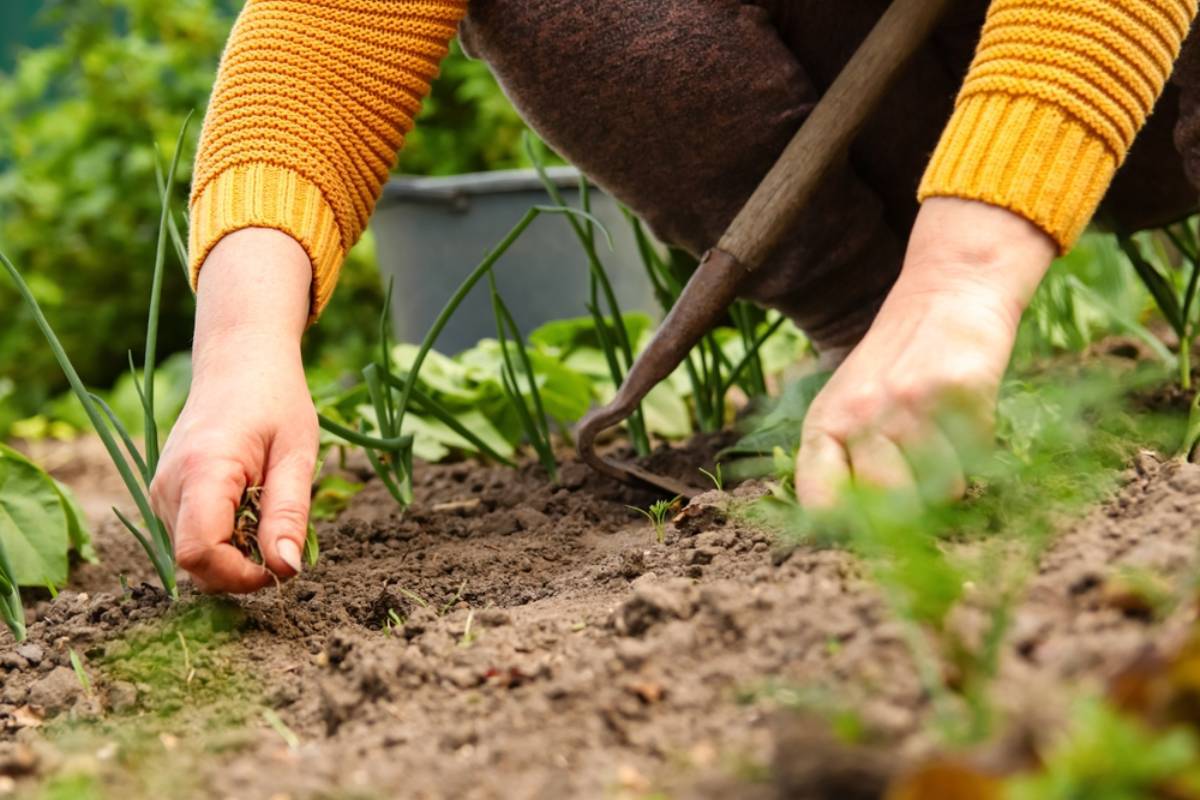
Rather than attacking the whole yard at once, the homeowner could divide the project into manageable sections. One bed might be dedicated to removing goutweed, while another could be prepared for native ground covers and low-growing wildflowers. This approach would allow the homeowner to learn how individual plants responded to removal and replacement without turning the entire property into a giant patch of disturbed soil.
Working in stages would also make it easier to spot returning invaders before they spread again. New native plants could be established where the conditions suited them, with attention paid to sunlight, moisture, soil, and the amount of maintenance each area required. What initially looked like an overwhelming gardening disaster could become a series of smaller projects with measurable progress.
Neighborhood Rules Could Shape the Final Garden Design
There was another obstacle beyond plant identification: the homeowner was unsure how much freedom the neighborhood allowed when it came to lawn appearance. Some communities have rules about lawn height, visible weeds, or landscaping that looks untended, while others permit more natural planting arrangements. Checking local regulations and any homeowners association requirements would help prevent an exciting garden makeover from becoming a dispute with the neighborhood.
Fortunately, a native garden does not have to look like an abandoned lot. Low-growing native ground covers, carefully arranged perennial beds, and selected shrubs can make a yard look intentional while providing habitat for wildlife. Plants such as native violets and suitable regionally native flowering species could help create a landscape that feels designed rather than simply left to grow.
Local Experts Could Help Solve the Mystery
The responses also pointed the homeowner toward university extension services, state plant lists, and native gardening resources that could provide more reliable identification than random search results. For someone living in northeast Ohio, Ohio State University Extension and the Ohio Department of Agriculture’s invasive plant information would be sensible places to begin researching the species on the property. Local native plant groups and conservation organizations could also help explain which plants are appropriate for the region.
There was even a suggestion to visit the Summit Metro Parks Native Plant Festival, where the homeowner could learn about native replacements and find educational opportunities. Meeting knowledgeable gardeners or specialists could turn an intimidating list of unfamiliar plant names into a practical shopping and removal plan. Instead of guessing which plants belonged in the bin, the homeowner could begin making informed decisions based on regional knowledge.
The Real Goal Was Never to Create a Perfectly Weed-Free Lawn
By the end of the discussion, the original question had become something larger than deciding which plants to pull. A wildlife-friendly garden does not necessarily require eradicating every non-native plant, and trying to do so in an ordinary suburban lawn may be an exhausting, unrealistic mission. The more useful goal is to identify the species that pose genuine ecological risks, manage them carefully, and gradually make space for plants that support the local environment.
The homeowner’s spring project could still become a success, but the winning strategy would involve patience rather than a single dramatic afternoon of uprooting everything in sight. Some plants might need to go, others could be kept under control, and native additions could be introduced as suitable spaces became available. The biggest surprise was that the yard did not need to be stripped bare to become more natural; it needed a gardener who understood what was growing there and knew which battles were actually worth fighting.