Homeowner Wants to Raise Chickens to Fight a Tick Invasion Around His Fruit Trees, Then Discovers Why Letting Them Roam Freely Could Turn His Garden Into a Disaster
A person shared his story about a frustrating problem on his property, where ticks had become so common that spending time outdoors during spring and early summer was becoming miserable. The tiny pests seemed to gather around the bases of fruit trees, along the edges of mulch, and on fruit bushes where the grass began to grow. Despite trying numerous ways to reduce their numbers, the homeowner felt as though the ticks were winning the battle. Eventually, he started considering an unusual solution that involved bringing more animals into his garden.
His idea was appealing because it promised to solve two problems at once: reduce the tick population and make better use of his land. Rather than relying entirely on treatments, he wanted animals that could forage naturally while helping maintain the property. However, there was one important detail he could not ignore. He had spent time establishing fruit trees and bushes, and the last thing he wanted was to invite a new problem into the garden while trying to eliminate an old one.
The Homeowner Considered Bringing in a Feathered Pest Control Team
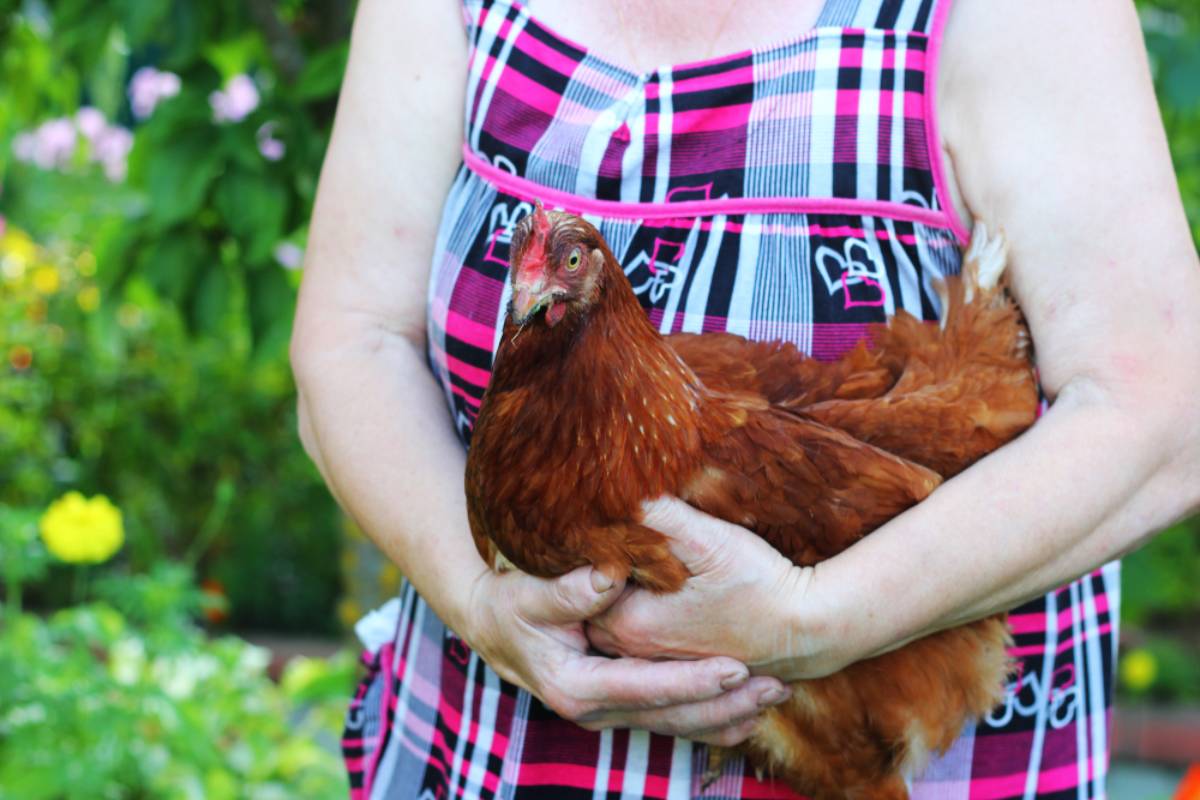
The homeowner was particularly interested in chickens and guinea fowl because both seemed like potential candidates for controlling the troublesome ticks. He had plenty of room for birds to roam freely, and noise was not a major concern on his property. At first glance, the arrangement sounded almost perfect: the birds could search for insects while the homeowner enjoyed a more comfortable outdoor space. If everything worked as planned, his garden could become both a productive orchard and a natural pest-control system.
But there was another benefit he hoped to gain from the arrangement. Chickens could provide eggs, making their upkeep more worthwhile while helping with the tick problem. Guinea fowl, meanwhile, had a reputation for being enthusiastic tick hunters, although he was unsure whether they would produce enough eggs to justify choosing them over chickens. That left him facing a surprisingly complicated decision about which birds would be the best fit for his little corner of paradise.
The Real Problem Was Keeping the Birds Away From His Plants
The homeowner’s biggest concern was not whether the birds would eat insects. It was whether they would destroy the garden in the process. Chickens are natural foragers, and their scratching behavior can disturb mulch, expose roots, and damage young plants when they are allowed to roam wherever they please. An orchard might offer plenty of interesting places to explore, but that did not mean every part of it would survive the experience.
He also wanted to avoid spending a fortune on fencing. Protecting every fruit tree, berry bush, and garden bed individually could quickly become an expensive project, especially across a large property. The homeowner hoped there might be a clever alternative that would allow the birds to do their work without requiring a maze of barriers. Unfortunately, the very freedom that made his property attractive to poultry was also what made the problem difficult to solve.
Guinea Fowl Seemed Like the Perfect Answer to the Tick Problem
Guinea fowl quickly became an interesting contender because of their reputation for roaming widely and hunting insects. One response from a person suggested that guinea fowl could be better suited to tick control than chickens because they range farther and may cause less disturbance around mulched fruit trees. The same response proposed keeping a mixed flock, with guinea fowl focused on pest control and laying hens managed more carefully for eggs. It sounded like a compromise that might deliver the best of both worlds.
However, guinea fowl come with their own challenges. They can be noisy, may wander farther than expected, and are not always as straightforward to manage as domesticated chickens. Another response from a person warned that their habit of hiding eggs could make collecting them frustrating. The homeowner’s dream of a low-maintenance pest-control team was beginning to look less like a simple purchase and more like a small livestock-management project.
Then Came the Warning About Chickens and Mulch
For gardeners, mulch is more than a decorative layer beneath a tree. It helps protect the soil, retain moisture, and create a healthier growing environment, particularly around young fruit trees that need time to establish themselves. Unfortunately, chickens often see a freshly mulched area as an invitation to scratch around in search of insects and other tasty discoveries. What a gardener carefully spreads in the morning can end up scattered across the grass by the afternoon.
One response from a person described keeping chickens and ducks in an orchard, where the birds helped maintain the grass but repeatedly scratched wood chips away from the bases of trees. The solution involved placing chicken wire over the wood chips to keep the mulch in place. The birds could still roam, but the tree bases were better protected from their enthusiastic digging. It was a useful reminder that the problem might not require fencing off an entire orchard if the most vulnerable areas could be protected first.
The Secret Might Be Protecting the Ground Around Each Tree
Another response from a person suggested using logs and large rocks around the bases of fruit trees and shrubs. These natural barriers can make it more difficult for chickens to scratch directly into the soil around the trunk. They can also fit neatly into a permaculture garden, where logs, stones, and other natural materials may already have a place in the overall design. Instead of building an elaborate enclosure around every tree, the gardener could work with materials already available on the property.
Other suggestions included placing branches upright around vulnerable plants or using small wire barriers secured with landscaping pins. These measures could protect young trees and newly planted shrubs while allowing the rest of the garden to remain accessible. The important distinction was that established trees and delicate young plants do not necessarily need the same level of protection. A mature fruit tree may tolerate occasional scratching better than a newly planted sapling whose roots are still developing.
A Cheap Fence Could Be More Useful Than an Expensive One
The homeowner’s concern about fencing was understandable, particularly because his property had enough space for birds to roam freely. Installing permanent fencing around every garden bed and fruit tree could consume a substantial amount of money without necessarily solving every problem. However, one response from a person suggested lightweight electric poultry netting as a more flexible alternative. Because it can be moved, it allows a gardener to protect one section of land while giving the birds access to another.
This approach could make it easier to rotate the flock between different areas rather than letting the chickens explore the entire property at once. Young trees and vegetable beds could remain protected during their most vulnerable stages, while stronger areas of the orchard could receive occasional visits from the birds. The arrangement would also give the homeowner more control over where the chickens spend their time. Instead of choosing between expensive permanent fencing and complete freedom, he could experiment with a more adaptable system.
Chickens Could Help the Orchard Without Being Allowed Everywhere
One response from a person explained that chickens did not enter their vegetable garden, although they were sometimes allowed into the orchard under supervision. That distinction offers a useful lesson for anyone hoping to combine poultry with productive gardening. Birds do not necessarily need unrestricted access to every part of a property to provide benefits. A carefully managed routine can allow them to forage in selected areas while keeping sensitive plants out of reach.
The same response highlighted another concern: predators. Free-ranging birds can be vulnerable to animals that hunt poultry, meaning that an arrangement designed around pest control must also account for the safety of the flock. A secure coop and suitable outdoor enclosure remain important, even when plenty of land is available. For the homeowner, the best system would need to protect both sides of the equation: the garden from the birds and the birds from the dangers of roaming.
The Birds Could Turn the Garden Into a Dust Bath
Chickens do not scratch only because they are searching for insects. They also dig shallow holes and disturb the ground as part of their natural dust-bathing behavior. These little excavations can be harmless in some parts of an orchard, but they become a problem when the birds choose the exact spot where a young fruit tree needs undisturbed soil. Protecting the roots therefore matters just as much as protecting the leaves and branches.
One response from a person recommended laying stones or bricks around tree bases, leaving gaps small enough to limit access to the soil. This could help prevent chickens from digging directly around vulnerable roots while still allowing water to reach the ground. Another suggestion involved placing wire over mulch so that the birds could not easily scatter it. These practical ideas showed that protecting an orchard might be less about controlling every movement and more about designing the landscape to withstand the birds’ natural habits.
Some Gardeners Suggested Letting the Birds Do Their Job
Not every response favored keeping chickens away from the fruit trees entirely. Some gardeners explained that poultry can work well in orchards when their access is managed properly and the trees are sufficiently established. Chickens can help keep grass under control, search for insects, and contribute manure that can eventually be incorporated into a broader soil-management system. Their presence does not automatically spell disaster for a fruit-growing operation.
Still, there is a difference between allowing chickens into a mature orchard occasionally and leaving them in a small area around a vulnerable tree indefinitely. Concentrated scratching can gradually expose roots and disturb the soil, particularly when the birds have limited space and repeatedly return to the same locations. A gardener who wants to combine poultry and fruit production needs to consider stocking density, access, and the condition of the plants. The goal is not simply to put chickens among the trees, but to give both the plants and the animals enough room to thrive.
The Egg Question Made Guinea Fowl Less Straightforward
The homeowner was not considering poultry solely for entertainment or companionship. He wanted the birds to contribute something useful to the property, and eggs were an important part of that calculation. Domesticated laying hens offer a more predictable approach to egg collection than guinea fowl, which may lay in hidden nests when allowed to roam. That difference could become significant for someone hoping to make the cost of feeding and housing the birds worthwhile.
One response from a person advised choosing chickens because guinea fowl can be difficult to keep close and their eggs may be challenging to locate. Guinea fowl might still appeal to someone prioritizing extensive foraging, but their behavior does not always match the expectations of a backyard egg producer. A mixed flock could be an option, although it would introduce additional management considerations. The homeowner would need to decide whether his main priority was tick reduction, reliable egg production, or a practical balance between the two.
The Biggest Surprise Was That More Birds Would Not Guarantee Success
It would be tempting to assume that introducing ten or twelve chickens would automatically solve a tick problem. Yet the responses revealed that the number of birds is only one part of the equation. Their effectiveness depends on where they forage, what other food sources are available, how the property is arranged, and whether they are actually able to reach the areas where ticks are most troublesome. Even a large flock cannot guarantee that every tick will disappear from a property.
There was also a need to think beyond poultry. One response mentioned tick tubes placed near rodent habitat as another possible approach, while another person described using a tick-control treatment on clothing rather than releasing more chemicals into the environment. These suggestions illustrated that managing ticks may require several complementary measures rather than relying on one animal species. Chickens or guinea fowl could become part of the plan, but they should not be treated as a guaranteed replacement for other precautions.
The Garden’s Layout Could Make All the Difference
The homeowner’s property already had an important advantage: plenty of space. That meant he could potentially separate the areas intended for free-ranging birds from the places where young fruit trees and delicate plants needed protection. A dedicated poultry area, movable fencing, and carefully protected tree bases could make it easier to experiment without putting the entire garden at risk. Even simple changes to the layout might make the difference between a productive partnership and a flock that constantly undoes the gardener’s work.
A permaculture approach could also encourage the homeowner to think about the orchard as a connected system rather than a collection of individual plants. Ground cover, mulch, sturdy barriers, and designated foraging zones could all contribute to a more resilient design. However, no single arrangement would suit every property, and the birds’ behavior would need to be observed over time. The most sensible plan would be one that could be adjusted before a small experiment turned into a major gardening headache.
The Real Twist Was That the Best Solution Might Not Be Free-Ranging Chickens
The homeowner began with a straightforward hope: introduce chickens or guinea fowl, reduce the tick population, collect eggs, and avoid spending a fortune on fencing. But the responses revealed that each benefit came with trade-offs. Chickens could disturb mulch and expose roots, guinea fowl could be noisy and difficult to manage, and neither option guaranteed complete tick control. The solution was not necessarily to abandon the idea, but to reconsider how the birds would be introduced.
A carefully managed flock, protected tree bases, movable fencing, and additional tick-control measures could offer a more realistic path forward. The homeowner might ultimately decide that laying hens best suited his goals, or that guinea fowl deserved a place in a more carefully designed system. Either way, his original question uncovered an important lesson for gardeners: sometimes the trick to creating a productive landscape is not finding an animal that does everything, but learning how to make its natural behavior work alongside the plants.