UVM Extension Master Gardener Amy Simone Says Houseplants Should Get No Fertilizer From October Until March
Shorter days and a heated living room change what an indoor plant needs, and University of Vermont Extension Master Gardener Amy Simone says the first thing to drop is the fertilizer. In a guide called “Hibernating Houseplants,” published Oct. 31, 2023, she says to stop fertilizing houseplants from October until March and to resume when new growth appears.
The reasoning is simple, according to the guide: plants at rest are not growing roots or shoots, so they do not need the extra nutrients. The rest of the winter routine in the article covers watering, light, drafts, humidity and dusty leaves.
Why the feeding stops
Simone writes in the UVM Extension article that continuing to fertilize through the dormant months can build up soil salts that may harm the plants. Her advice for plants that already carry a salt load is to empty excess water from the tray, or to water in a sink to flush out accumulated fertilizer salts.
Simone is an Extension Master Gardener, one of the volunteers trained through UVM’s community horticulture program to share science-based information and teach Vermonters to garden and compost.
Watering by the soil, not the calendar
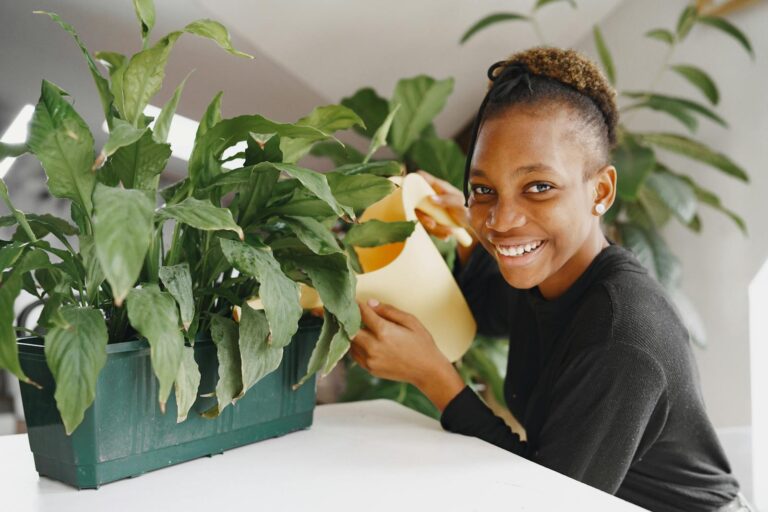
With growth slowed, water use changes too. The guide says winter conditions are cooler and darker, so water evaporates more slowly. Simone advises against watering on a fixed schedule and says to check soil moisture regularly. For most plants, she says, water only when the top inch or more of soil is dry, which lets some oxygen reach the roots. A plant that wilts before then should be watered while the soil is still slightly moist.
When she does water, the guide says to saturate the entire root ball, with water draining from the bottom of the pot as the sign that it was done correctly.
University of Illinois Extension’s watering page agrees that plants should be watered by need rather than a calendar, but sets a different test depth. It recommends testing the soil with a finger to a depth of two inches, notes that wilting can signal overwatering as well as thirst, and says not to let a pot sit in a saucer of water. It also advises room-temperature water and letting tap water sit at least 24 hours so chlorine and fluoride can dissipate, and says to avoid softened water.
The Illinois page adds two details the Vermont guide does not. Unglazed clay pots dry out faster than plastic ones, so plants in clay need more frequent watering. And for plants that resist top watering, the page describes sub-irrigation: set the pot in a few inches of water, then remove it once moisture has risen to the top of the soil.
Light, drafts and dry air
Simone says high-light plants can move to a sunny windowsill, but leaves should not touch freezing window panes. Dropping leaves can signal a sudden temperature change, she says, and stressed plants should move away from chilly drafts such as the one near a front door.
University of Illinois Extension’s lighting page adds that the sun sits higher on the horizon in winter, which can increase brightness indoors, and that more light can reach plants after nearby trees lose their leaves. For low-light conditions, it says 14 to 16 hours of supplemental light a day is sufficient and warns against going past 16 hours because plants need a rest period. Its placement chart ties light level to window direction: a south window directly in front gives about 1,500 foot-candles of direct light, while a plant 15 to 20 feet from a south window gets about 75 foot-candles, the low level.
The Illinois troubleshooting page lists the same culprits behind leaf drop: sudden temperature change, overwatering and lack of light. It also names exposure to cold drafts and excess fertilizer among the causes of browning leaf tips, which ties the winter fertilizer rule to a visible symptom.
On humidity, Simone writes that water is not the same as humidity and that heating systems can make indoor air too dry for most houseplants. Her options are to move plants to a bathroom, set pots on a tray of pebbles and water, or group plants together so they share evaporated moisture. For dust and greasy residue, she suggests a soft cloth dampened with lukewarm water and mild dish soap, or a rinse in the shower.
The guide closes with a reminder that the details depend on the plant: it is most important to know what variety of houseplants a person has and how they like to be cared for. It does not cover repotting or pests. For brown-tip problems, the site has a separate piece on why houseplants get brown tips.
Get stories like this by email. Sign up for The Parent Diaries Letter.
This article was produced with AI assistance and edited for accuracy against the sources linked above.
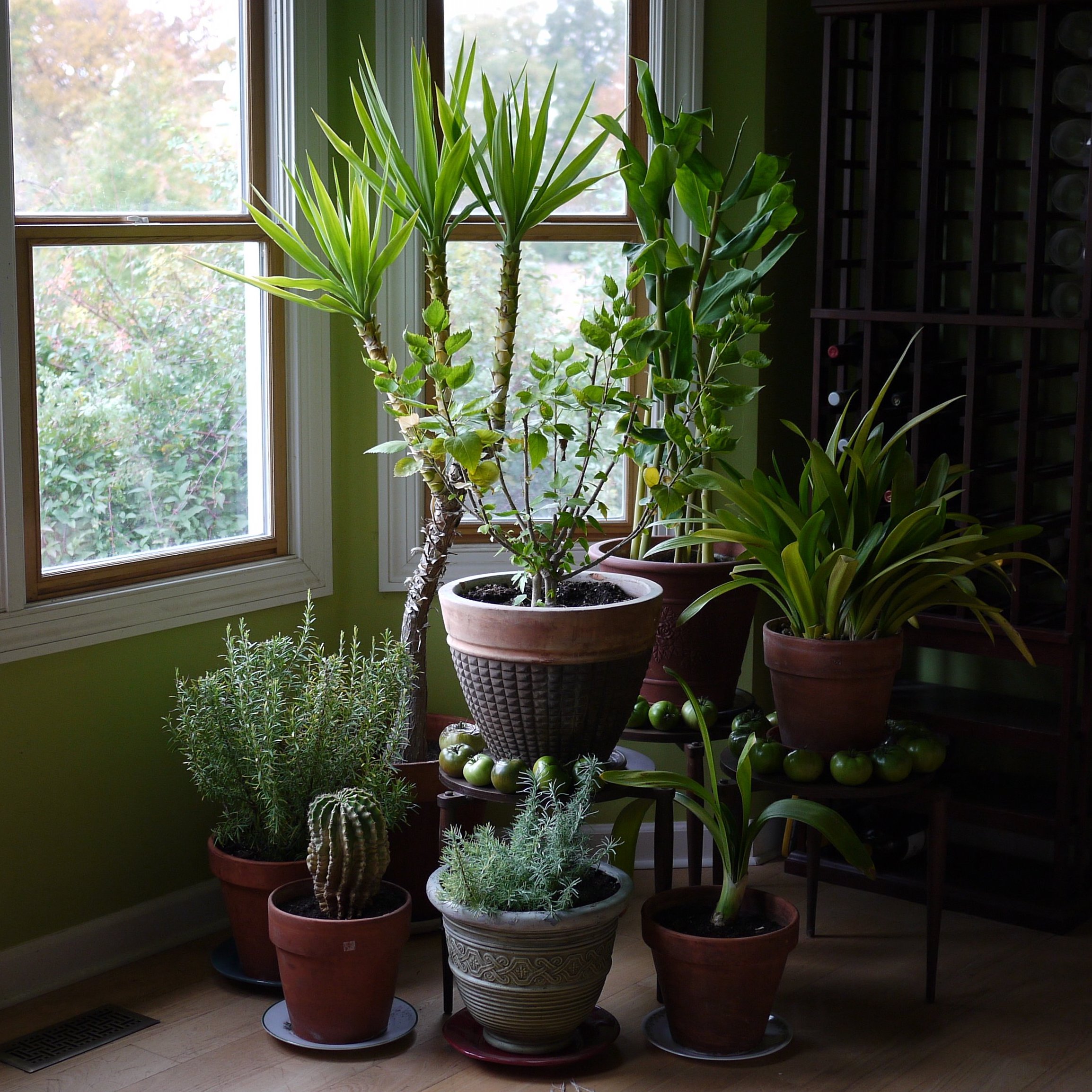
Image: F. D. Richards – CC BY-SA 2.0/Wikimedia Commons