9 Air-Purifying Houseplants You Need If You’re Over the Snake Plant
Ever feel like your home’s air could use a refresh? You’re not alone. Many people are looking for simple ways to make their living spaces feel healthier and more inviting.
Houseplants can be a game-changer when it comes to clearing out indoor air. They don’t just look good—they help remove toxins and make your home feel more vibrant.
You might already know about the popular snake plant, but there’s a whole world of air-purifying plants out there. Some are easy to care for, and many fit perfectly into any room, no matter your style or experience level.
Ready to discover some new favorites? Here are a few houseplants that quietly work behind the scenes to keep your air cleaner and your home feeling fresh.
Peace Lily

The peace lily stands out with its shiny green leaves and bright white flowers. It’s a beautiful addition that also works hard to remove chemicals like ammonia and benzene from the air.
This plant does well in low light, so it’s perfect for spaces that don’t get much sun. It’s also easy to care for, making it great for anyone just starting with houseplants.
Spider Plant
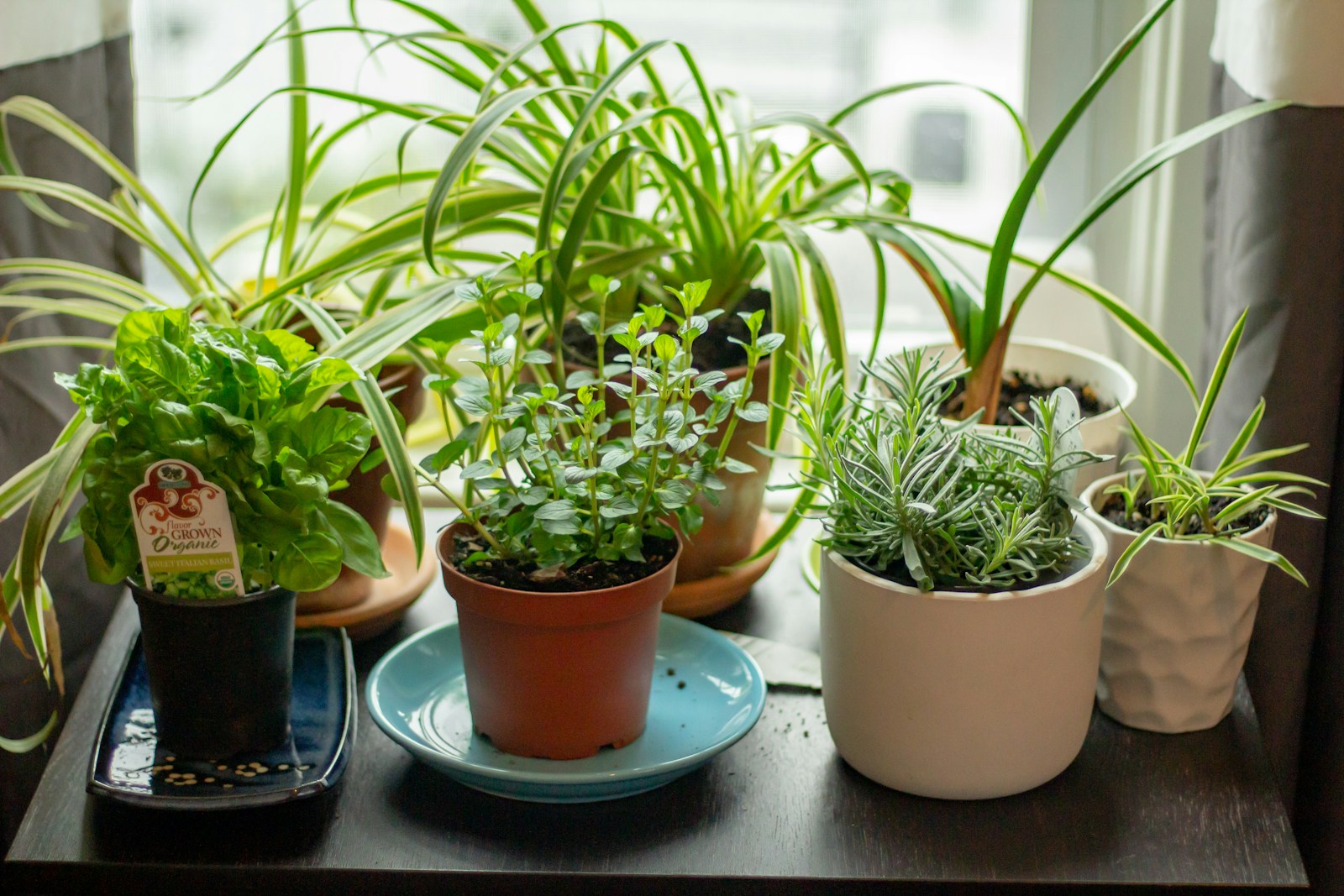
The Spider Plant is a favorite for anyone looking for a plant that’s easy to grow. It produces little baby plants you can share or replant, adding even more greenery to your home.
Spider Plants are known for removing toxins like formaldehyde. They thrive in bright, indirect light and can handle a missed watering here and there.
This plant is also safe for pets, so you don’t have to worry about curious cats or dogs. It’s a lively, low-fuss choice that adds energy and clean air to any space.
Pothos
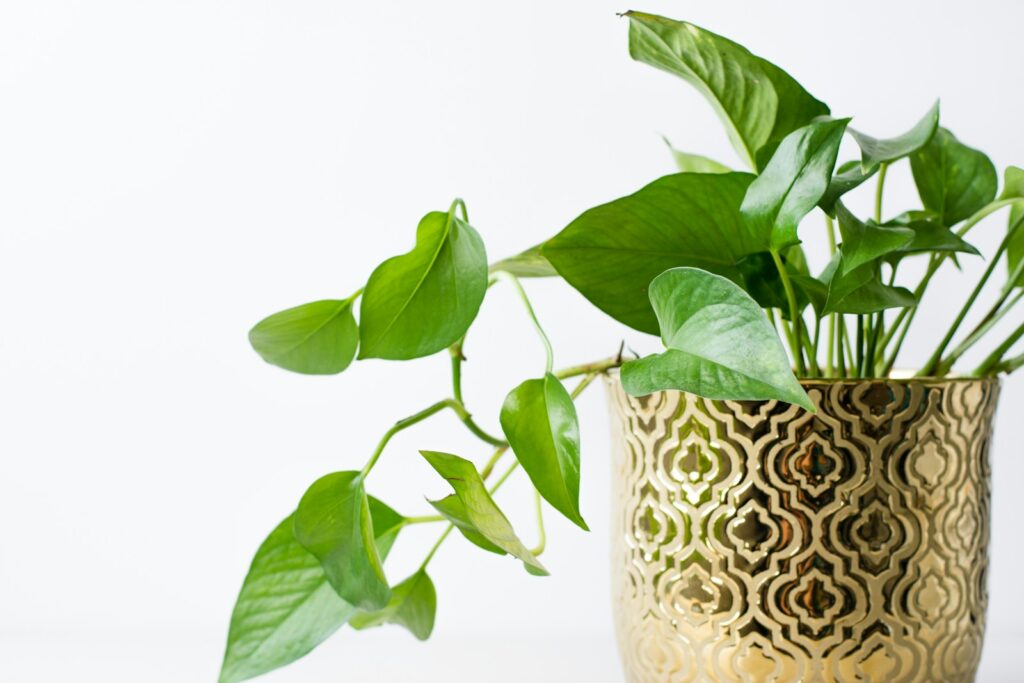
Pothos is a go-to for anyone who wants a plant that’s both hardy and attractive. Its trailing vines look great on shelves or in hanging baskets.
This plant is recognized for filtering out toxins like formaldehyde, benzene, and xylene. It doesn’t need much light or water, so it fits right into busy routines.
Watching pothos vines grow longer each week is pretty satisfying. It’s a simple way to brighten a room and breathe a little easier.
Philodendron
Philodendrons are a classic choice for cleaner air and a lush look. They help reduce pollutants like formaldehyde in your living space.
You don’t need much experience to keep this plant happy. It does well in low light and only needs watering when the soil dries out.
Philodendrons come in all shapes and sizes, so there’s one for every style. Whether you hang it or keep it on a shelf, it brings a touch of the tropics indoors.
Rubber Plant

Rubber Plants are perfect if you want something bold and easy to care for. Their large, glossy leaves make a statement while filtering out toxins like formaldehyde.
They prefer bright, indirect light but can handle some shade. Just water when the top of the soil feels dry.
This plant also helps boost humidity, which can be great for your skin and breathing. It’s a striking way to bring nature and cleaner air inside.
Boston Fern
Boston Ferns have feathery fronds that add a soft, green touch to any space. They’re effective at removing pollutants like formaldehyde and benzene from the air.
These ferns love humidity, so bathrooms or kitchens are ideal spots. Keep their soil moist and give them indirect light for best results.
Having a Boston Fern around can make your home feel cozier and more relaxing. It’s an easy way to introduce a bit of nature and freshness indoors.
Chinese Evergreen
Chinese Evergreen is both tough and beautiful, with leaves that come in shades of green, silver, and sometimes red. It’s perfect for brightening up darker corners.
This plant is forgiving if you forget to water now and then. It manages well in low light and still works to filter out harmful toxins.
If you want color, cleaner air, and a plant that doesn’t ask for much, the Chinese Evergreen is a solid option.
Areca Palm
Areca Palms bring a breezy, tropical vibe to any room. They’re known for their ability to remove toxins and add moisture to the air.
These palms like bright, indirect light and regular watering. Their feathery leaves can make your space feel more open and lively.
The Areca Palm is a top pick for air purification and is easy to care for, even if you’re new to houseplants.
Dracaena Marginata

Dracaena Marginata, or the Dragon Tree, stands out with its tall, spiky leaves. It’s a stylish way to help clear the air in your home.
This plant targets chemicals like formaldehyde, benzene, and trichloroethylene. It’s happy with moderate light and only needs water when the soil is dry.
If you want something low-maintenance that still makes a visual impact, Dracaena Marginata fits the bill.
ZZ Plant
The ZZ Plant is known for its thick, shiny leaves and tough nature. It thrives in low light and doesn’t mind if you forget to water it for a while.
This plant helps fight off toxins like benzene and toluene, making your air feel fresher. It’s compact, making it a great fit for desks or small shelves.
If you want a no-fuss plant that still does a lot for your space, the ZZ Plant is a fantastic choice.
How Houseplants Naturally Purify Indoor Air
Houseplants quietly help clean your air every day. They absorb harmful chemicals and release fresh oxygen, making your home a better place to be.
Understanding how this works can help you pick the right plants for your needs. Here’s a quick look at what’s going on behind the scenes.
Understanding Volatile Organic Compounds (VOCs)
VOCs are chemicals released by things like paint, furniture, and cleaning supplies. They include formaldehyde, benzene, and trichloroethylene.
These chemicals can build up indoors and cause headaches or breathing problems. Houseplants absorb VOCs through their leaves and roots, breaking them down into safer substances.
The Science Behind Phytoremediation
Phytoremediation is the process where plants clean the air naturally. They absorb pollutants, and microbes in the soil help break them down.
This teamwork between plant and soil means you get cleaner air without much effort. It’s a simple, natural solution right in your living room.
Common Air Toxins Found Indoors
Indoor air can have invisible toxins like dust, pet dander, and mold spores. Some common chemical culprits are:
- Formaldehyde from pressed wood and upholstery
- Benzene from smoke and plastics
- Trichloroethylene from adhesives and paint removers
Different houseplants are better at targeting specific toxins. Mixing a few types can help you tackle a range of pollutants.
Best Practices for Maximizing Air-Purifying Benefits
To get the most out of your air-purifying plants, think about where you place them and how you care for them.
Small changes in their routine can make a big difference in how well they work.
Placement Tips for Maximum Effectiveness
Keep your plants where air moves well, like near windows or vents. This helps them capture more toxins.
Grouping a few plants together can also boost humidity and support their air-cleaning abilities.
Don’t hide your plants in dark corners. Most need bright, indirect light to do their best work. Rotate them every week or two so all sides get some sun.
Try keeping plants in rooms where you spend the most time, like the living room, bedroom, or kitchen. That way, you’ll enjoy cleaner air right where you need it most.
Caring for Healthier, More Effective Houseplants
Have you ever wondered why some houseplants just seem to thrive while others struggle? The secret often comes down to a few simple care habits that can make a huge difference.
Water your plants only when the soil feels dry to the touch. Overwatering is a common mistake and can lead to root rot, which weakens your plant.
Wipe dust off the leaves with a damp cloth. When leaves are clean, your plants can soak up more sunlight.
Try to keep the room temperature steady and the humidity at a comfortable level. If the air feels dry, mist your plants or bring in a humidifier.
Choose pots and soil that drain well to help prevent water from pooling at the roots. Placing several plants close together can also boost humidity, making your space feel fresher.
With just a little extra attention, your plants can become more than just décor. They’ll be healthier and more effective at keeping your air clean.