“How a Minor Spacing Error in Your Spring Garden Can Lead to Major Setbacks”
Spring is a time of renewal and excitement for gardeners. As the weather warms up and the last frost melts away, the urge to dig into the soil and plant vibrant flowers, lush vegetables, and fragrant herbs becomes almost irresistible. However, while you’re caught up in the enthusiasm of planting season, it’s crucial to pay attention to one often-overlooked aspect: plant spacing. A small mistake in spacing can lead to a cascade of problems later on, affecting plant health, yield, and even your overall gardening enjoyment.
Understanding Plant Spacing
Plant spacing refers to the distance between individual plants, rows, or groups of plants in your garden. It seems trivial, but spacing can significantly impact plants’ access to sunlight, nutrients, and moisture, as well as their airflow, which is essential for preventing diseases. Each plant has its own ideal spacing requirements based on its growth habits, root systems, and overall size. For instance, a sprawling zucchini plant requires more room than a compact bush bean.
Common Spacing Mistakes
1. Overcrowding: One of the most common errors is planting too closely together. Gardeners often underestimate how large their plants will grow. For example, tomatoes typically need 18-24 inches of space between each plant, while cucumbers can require even more—up to 36 inches. When plants are crowded, they compete for resources, leading to stunted growth and increased vulnerability to pests and diseases.
2. Underestimating Growth: Beginners may not fully appreciate how rapidly some plants can grow. Fast-growing vegetables like radishes or lettuce can be planted closer together initially, but as they mature, they still require adequate space to develop properly. Failing to account for their size at maturity can lead to a tangled mess of overlapping plants.
3. Ignoring Growth Patterns: Different plants have different growth habits. Tall plants like sunflowers or corn can shade shorter plants if not spaced properly. If you plant a tall crop on the south side of a shorter one, you might end up with stunted growth as the shorter plants struggle to get enough sunlight.
4. Neglecting Companion Planting Principles: Companion planting can help maximize garden productivity, but it requires careful planning of spacing. For example, planting basil near tomatoes can enhance tomato growth, but if they’re too close, both plants can suffer from a lack of space and resources.
How to Calculate Proper Spacing
To avoid spacing mishaps, it’s essential to consult seed packets or gardening resources that provide specific spacing recommendations for each plant. Here’s a practical guide to help you get started:
Seed Packets: Always read the instructions on seed packets. They usually provide clear guidance on how far apart to plant seeds.
Gardening Guides: Reference books or online gardening databases can be excellent resources for spacing information. Many gardening websites categorize plants by their growth habits and recommended spacing.
Plan Your Layout: Before planting, sketch a garden layout. Take note of the mature sizes of the plants you want to grow and plan accordingly. This will help you visualize how much space each plant will need.
Timing Matters
Timing is also crucial when it comes to plant spacing. Most gardeners know to wait until the danger of frost has passed before planting, but it’s equally important to consider the growing season.
In USDA zones with shorter growing seasons, like zones 3 and 4, you may want to utilize row covers to protect your plants early on. This allows for earlier planting and can help in maintaining proper spacing, as plants will be less likely to be damaged by late frosts.
In warmer zones, like zones 8 and 9, the growing season is longer, allowing for staggered planting. This means you can plant your crops in succession, which can help manage spacing by reducing overcrowding.
Tips for Maintaining Proper Spacing
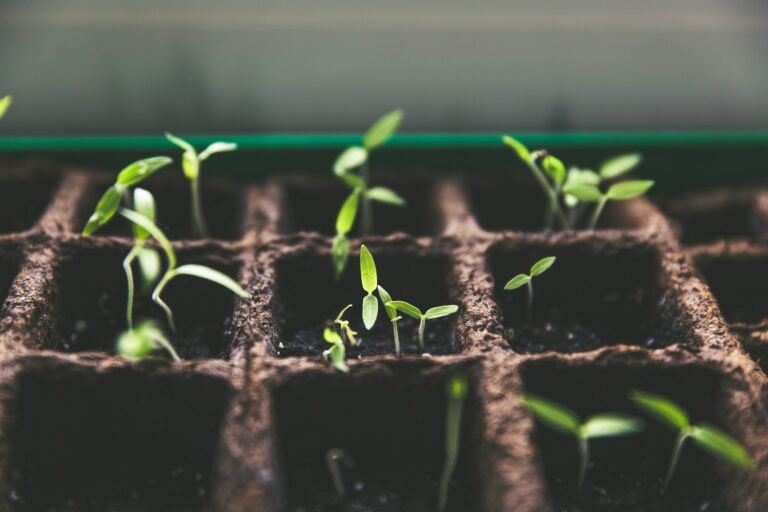
1. Thinning: After seedlings emerge, it’s sometimes necessary to thin them out to ensure proper spacing. This involves removing weaker plants to allow the stronger ones to thrive. For example, if you have planted carrots too closely, thin them out to give each root adequate room to grow.
2. Use a Grid: For more structured gardens, especially in vegetable patches, you can use a grid system to help maintain spacing. Measure out squares or rectangles to ensure you’re planting at the right distances.
3. Consider Growth Stages: Remember that plants grow at different rates. Monitor your garden closely, and be ready to adjust spacing as needed. If you see that some plants are dominating others, consider relocating them to avoid competition.
4. Keep a Garden Journal: Documenting your planting dates, spacing decisions, and subsequent plant performance can help you make informed decisions in future gardening seasons. Over time, you’ll develop a better intuition for what works best in your unique growing conditions.
Potential Consequences of Poor Spacing
Ignoring proper spacing can lead to various problems:
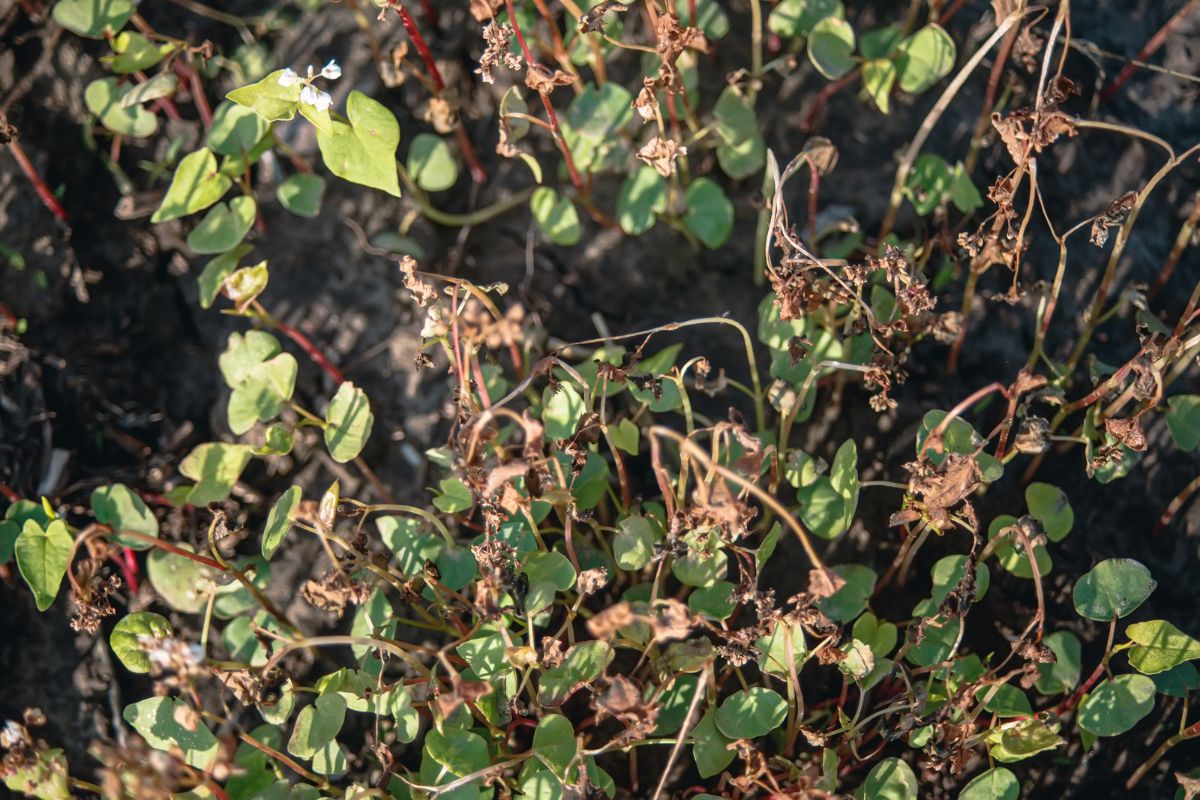
Diseases and Pests: Overcrowding can create a humid microenvironment that fosters fungal diseases like powdery mildew. It also makes it easier for pests to spread from one plant to another.
Reduced Yields: Plants that don’t have enough space often produce fewer fruits or flowers, which can be frustrating after all the hard work put into planting and caring for them.
Increased Maintenance: A congested garden is harder to maintain. Weeds may thrive in the cramped quarters, and it becomes more challenging to access plants for watering, pruning, or harvesting.
In the world of gardening, a little foresight goes a long way. By taking the time to understand proper plant spacing, you can avert potential problems and ensure a flourishing garden that brings you joy throughout the growing season. Remember, the small effort you put into planning your garden layout now will pay off in a big way later!