How BTS’ V Became a Plant Parent: Gardening Tips Inspired by the Idol’s New Hobby

As the world of K-pop continues to evolve, fans are not only enchanted by the music but also by the personal lives of their favorite idols. A recent highlight in this realm is BTS’ V stepping into the role of a “plant parent” just before the anticipated comeback of the group’s song “Arirang.” This new hobby has sparked interest among fans and gardening enthusiasts alike, making it a perfect opportunity to explore the joys of plant parenting. If you’re inspired by V’s green thumb, we’ve got some practical tips to get you started on your own gardening journey.
The Rise of Plant Parenting
In recent years, the concept of plant parenting has gained immense popularity, particularly among millennials and Gen Z. With the rise of social media, sharing images of lush indoor jungles or vibrant outdoor gardens has never been easier. For many, caring for plants provides a sense of accomplishment and relaxation, making it an excellent hobby for those looking to escape the hustle and bustle of daily life. Just as V has embraced this trend, you too can discover the therapeutic benefits of tending to plants.
Choosing the Right Plants
When starting your plant parenting journey, the first step is to choose the right plants for your space and lifestyle. Here are some beginner-friendly options that have gained popularity for their hardy nature and aesthetic appeal:
1. Pothos (Epipremnum aureum): This trailing vine is perfect for hanging baskets or shelves. It thrives in various lighting conditions and is forgiving if you forget to water it occasionally.
2. Snake Plant (Sansevieria trifasciata): Known for its striking vertical leaves, the snake plant is incredibly low-maintenance and can tolerate low light and irregular watering.
3. Spider Plant (Chlorophytum comosum): With its arching leaves and the ability to produce “pups,” or baby plants, the spider plant is a fun and easy choice for beginners.
4. Peace Lily (Spathiphyllum spp.): This beautiful flowering plant can thrive in low light and has lovely white blooms. Just be cautious, as it can be toxic to pets if ingested.
5. ZZ Plant (Zamioculcas zamiifolia): Almost indestructible, the ZZ plant can survive in low light and requires minimal watering, making it ideal for busy individuals.
Consider your environment, including light availability and temperature, when selecting plants. Most houseplants prefer temperatures between 65°F and 75°F and should be protected from drafts or sudden temperature changes.
Setting Up Your Plant Home
Once you’ve selected your plants, it’s time to set up their new home. Here are some tips for creating an ideal environment:
Light: Assess the natural light in your home. Some plants thrive in bright, indirect light, while others prefer low-light conditions. You may need to experiment with plant placement to find the perfect spot.
Containers: Choose pots with drainage holes to prevent water from accumulating at the bottom, which can lead to root rot. Consider decorative pots that match your home décor for added aesthetic appeal.
Soil: Use high-quality potting soil that drains well. Many plants benefit from a mix designed for indoor plants, but specific plants may require specialized soil, like cactus mix for succulents.
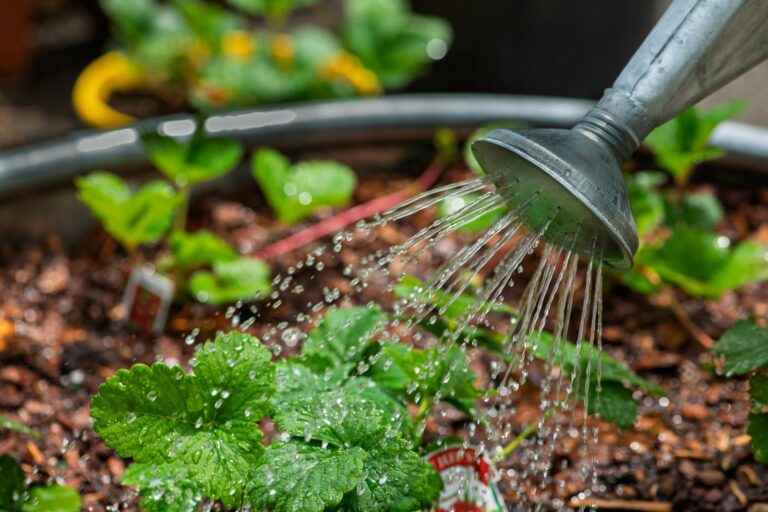
Watering: Overwatering is a common mistake for new plant parents. Always check the top inch of soil before watering; if it feels dry, it’s time to hydrate. Adjust your watering schedule according to the season, as plants may need less water in winter.
Creating a Care Schedule
Developing a care routine is essential for keeping your plants healthy and thriving. Here are some basic guidelines to follow:
1. Watering: Generally, most houseplants need watering every 1-2 weeks, but this can vary based on the species and environmental conditions. Make sure to monitor your plants and adjust accordingly.
2. Fertilizing: During the growing season (spring and summer), you can fertilize your plants every 4-6 weeks with a balanced houseplant fertilizer. In fall and winter, most plants enter a dormant phase and require less feeding.
3. Pruning: Regularly check your plants for dead or yellowing leaves and remove them to encourage healthy growth. For some plants, like the pothos, pruning can also promote bushier growth.
4. Repotting: As your plants grow, they may become root-bound, necessitating a larger pot. This usually happens every couple of years, depending on the plant species and growth rate.
Inspiration from V: A Creative Gardening Space
As you embark on your journey as a plant parent, consider creating a unique space that reflects your personality, much like V has likely done. Here are some creative ideas:
Vertical Gardens: If space is limited, use wall-mounted planters or shelves to create a vertical garden. This can add greenery without taking up valuable floor space.
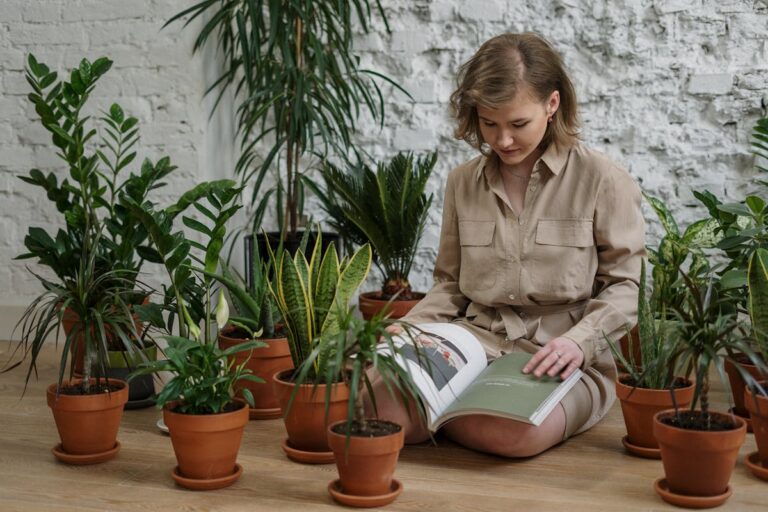
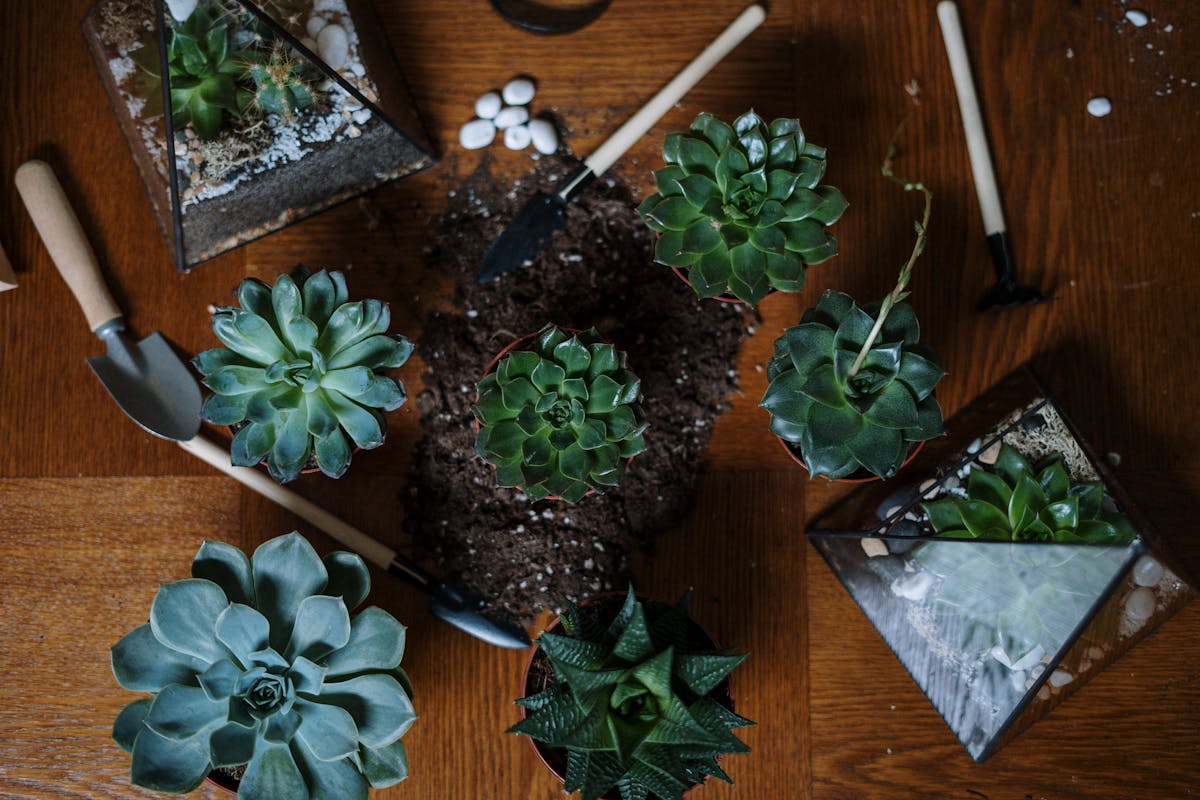
Themed Collections: Group plants by theme, such as all succulents or a collection of ferns. This can create a visually appealing display and make it easier to care for similar plants together.
Artistic Displays: Incorporate decorative elements like fairy lights, sculptures, or colorful pots to enhance your space and make it feel inviting.
The Joy of Plant Parenting
Becoming a plant parent, much like BTS’ V, can be a rewarding experience filled with learning and growth. Whether you’re cultivating a small collection of houseplants or planning a vibrant garden, remember that patience is key. Plants require time to adapt and flourish, just like any relationship. Embrace the journey, and you may find that nurturing these green companions brings joy and tranquility into your life.
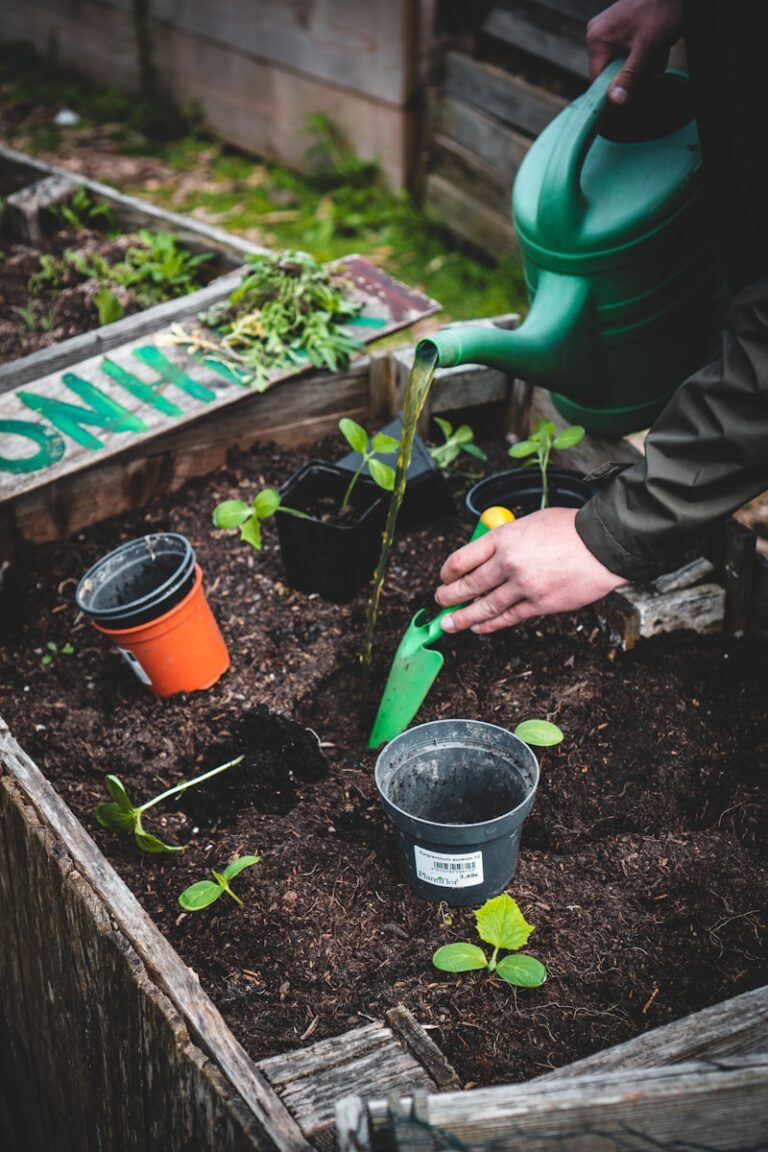
So, grab your pots, soil, and a watering can, and let V’s new passion inspire you to cultivate your own garden. Happy planting!