How Houseplants Can Brighten Your Winter and Combat Seasonal Affective Disorder
Seasonal Affective Disorder (SAD) is a common condition that affects many people during the shorter days of winter. As daylight diminishes, so can our mood and energy levels. Fortunately, one of the simplest and most effective antidotes can be found right inside your home: houseplants. Beyond their aesthetic appeal, houseplants can play a significant role in improving our mental well-being during the darker months. Let’s explore how nurturing these green companions can help combat the winter blues.
The Psychological Benefits of Houseplants
Research has shown that interacting with plants can reduce stress, anxiety, and feelings of depression. When you care for houseplants, you engage in a nurturing activity that can provide a sense of purpose and achievement. Watching your plants thrive can bring joy and a sense of fulfillment, which is especially beneficial during the winter months when outdoor gardening is limited.
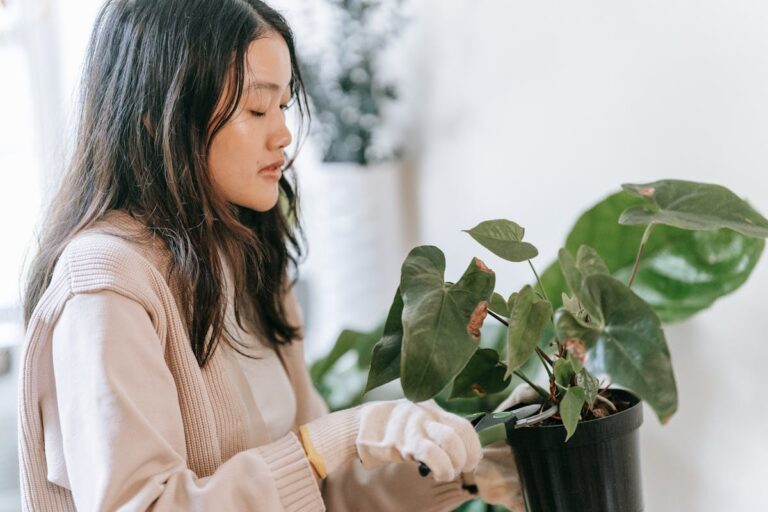
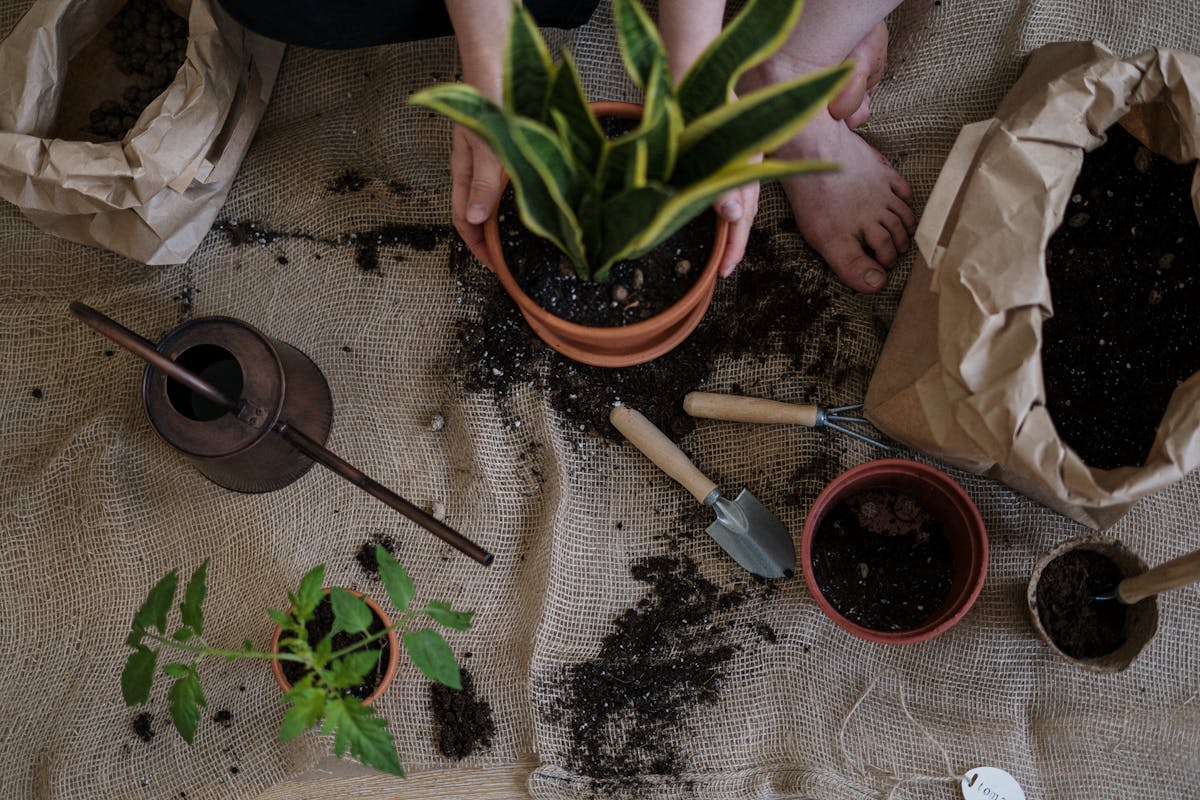
Plants also create a calming atmosphere. The act of watering, pruning, and repotting can be meditative, allowing you to unplug from the hustle and bustle of everyday life. This mindfulness aspect can help in alleviating symptoms of SAD, making houseplants a therapeutic addition to your indoor space.
Bringing Nature Indoors
One primary reason houseplants are effective in lifting our spirits is their ability to bring a piece of nature indoors. Studies suggest that exposure to greenery can promote feelings of relaxation and happiness. By incorporating houseplants into your home, you can create a vibrant environment that counters the dreary winter landscape outside.
Additionally, plants improve indoor air quality by filtering toxins and releasing oxygen, which can enhance your overall sense of well-being. Some popular houseplants known for their air-purifying qualities include peace lilies, snake plants, and spider plants.
Choosing the Right Houseplants
When selecting houseplants for your home, consider varieties that are not only visually appealing but also low-maintenance. Here are a few recommendations that thrive indoors and can brighten your winter days:
1. Pothos: Known for its heart-shaped leaves, pothos is virtually indestructible. It can thrive in low light and requires minimal care, making it perfect for beginners.
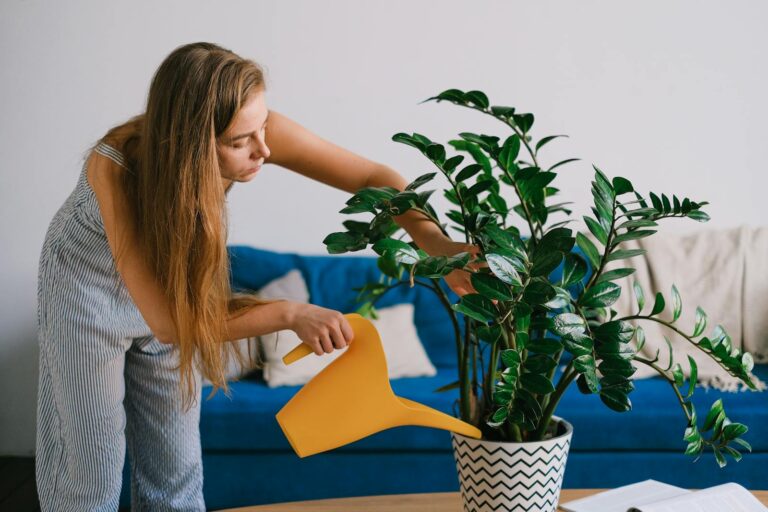
2. ZZ Plant: With its waxy leaves and striking appearance, the ZZ plant is another low-light champion. It can tolerate neglect, making it ideal for busy individuals.
3. Snake Plant: This hardy plant is nearly impossible to kill and is known for its air-purifying abilities. It can survive in a variety of light conditions and requires little water.
4. Peace Lily: Not only does this plant produce beautiful white flowers, but it also thrives in low light. Peace lilies prefer to dry out between waterings, making them easy to care for.
5. Spider Plant: A favorite among many gardeners, spider plants are known for their ability to produce “baby” plants. They thrive in indirect sunlight and can tolerate a bit of neglect.
Creating a Care Routine
Once you’ve chosen your houseplants, establishing a care routine is essential for their health and your enjoyment. Here are some tips to help you maintain your indoor garden:
Watering: Overwatering is one of the most common mistakes for indoor gardeners. Always check the soil moisture level before watering. Most houseplants prefer to dry out slightly between waterings.
Light: While many houseplants can thrive in low light, it’s important to understand their specific light requirements. Placing plants near windows or under grow lights can help them flourish.
Temperature and Humidity: Most houseplants prefer temperatures between 65°F and 75°F. Additionally, winter air can be dry, so consider using a humidifier or misting your plants occasionally to maintain humidity levels.
Fertilization: During the winter months, plant growth slows down, and they require less fertilizer. Use a balanced houseplant fertilizer every 4-6 weeks during the growing season (spring and summer) and reduce feeding in the fall and winter.
Repotting: As plants grow, they may outgrow their containers. Repotting them in fresh soil and a larger pot can help them thrive. Aim to repot every couple of years or when you notice root crowding.
Engaging with Your Plants
To maximize the benefits of houseplants, engage with them regularly. Talk to them, observe their growth, and appreciate their beauty. Creating a daily ritual of watering or journaling about their progress can enhance your connection to these green companions.
Consider involving family members in plant care. This can serve as a bonding activity and help cultivate a shared appreciation for nature, even when you’re stuck indoors.
Bringing the Outside In
In addition to houseplants, you can create a winter oasis by incorporating other natural elements into your home. Fresh flowers, herbs, or even a small indoor garden can uplift your spirits. Many people find joy in arranging cut flowers or growing kitchen herbs like basil or mint on a sunny windowsill.
As the winter months drag on, remember that nurturing houseplants can be a powerful way to combat the symptoms of Seasonal Affective Disorder. By bringing greenery into your home, you not only brighten your space but also create an environment that fosters joy, relaxation, and connection to nature.
So, gather your pots and soil, and let nature’s beauty thrive in your home this winter!