How Indoor Gardening is Enriching Lives for Veterans in Sheridan, VA
Indoor gardening has emerged as a therapeutic and rewarding pursuit, especially for veterans participating in the Home Based Primary Care program in Sheridan, Virginia. This initiative not only fosters a green thumb but also encourages social interaction, mental well-being, and a sense of accomplishment among those who have served in the military. Let’s explore how this innovative program works and how anyone can benefit from bringing gardening indoors.
Understanding the Program
The Home Based Primary Care program in Sheridan, VA, is designed to provide comprehensive healthcare to veterans in the comfort of their homes. Recently, the program has introduced indoor gardening as a way to enhance the quality of life for participants. This initiative recognizes the numerous mental and emotional benefits of gardening, especially in a controlled indoor environment, where veterans can cultivate their plants year-round regardless of the weather outside.
The program provides veterans with the resources they need to start their indoor gardens, including seeds, soil, pots, and educational materials. Volunteers and staff guide participants through the process, helping them choose suitable plants and learn essential gardening skills. This combination of support and hands-on experience creates a nurturing environment that encourages growth—in both plants and personal development.
Benefits of Indoor Gardening
Engaging in indoor gardening offers various benefits, particularly for veterans who may be coping with the challenges of transitioning to civilian life. Here are some key advantages:
1. Stress Relief: Gardening has been shown to reduce stress levels. The act of nurturing plants can provide a calming effect, helping individuals unwind and focus their minds away from daily pressures.
2. Sense of Accomplishment: Watching a seed grow into a thriving plant can be incredibly rewarding. This sense of achievement can boost self-esteem and provide a positive outlet for creativity.
3. Social Interaction: The program encourages veterans to share their gardening experiences with one another, fostering camaraderie and connection. This social aspect can alleviate feelings of isolation and create a supportive community.
4. Healthy Eating: Growing herbs, vegetables, and fruits indoors encourages healthier eating habits. Participants can enjoy the fruits of their labor, literally, by incorporating their homegrown produce into their meals.
5. Cognitive Engagement: Learning about plant care, growth cycles, and the science of gardening can stimulate mental activity and keep the mind sharp.
Getting Started with Indoor Gardening
If you’re inspired by the Sheridan program and want to start your indoor gardening journey, here are some practical steps to help you get going.
1. Choose the Right Space: Select a spot in your home that receives adequate natural light. South-facing windows are ideal, but if natural light is limited, consider using grow lights to ensure your plants receive the necessary exposure.
2. Select Your Plants: Start with easy-to-grow plants. Herbs like basil, mint, and parsley are great choices for beginners. They not only thrive indoors but also enhance your culinary experiences. Other indoor-friendly options include snake plants, pothos, and peace lilies, which can purify the air while being low-maintenance.
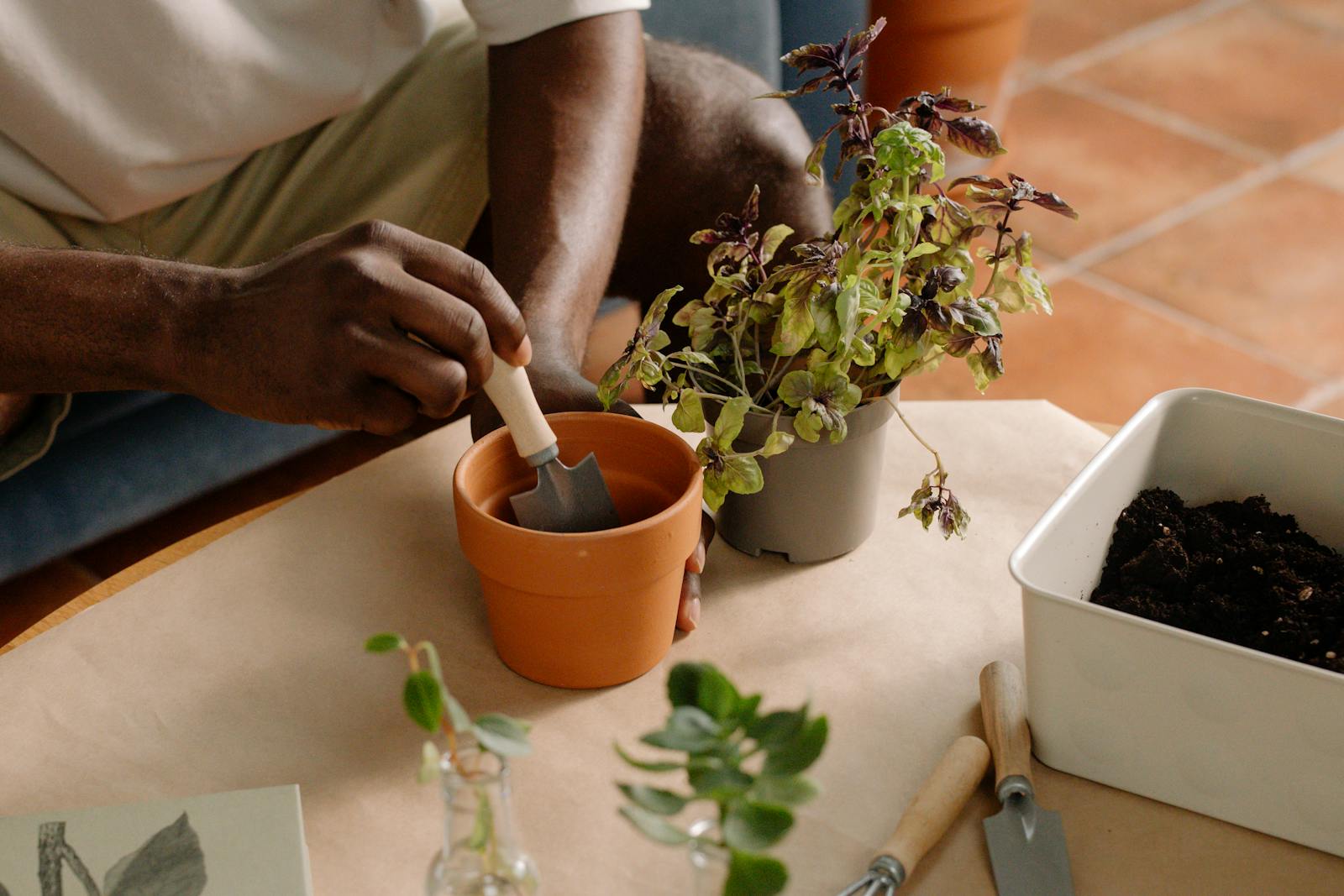
3. Gather Supplies: You will need pots with drainage holes, potting soil, and appropriate fertilizers. Make sure to choose containers that are the right size for your plants to avoid overcrowding.
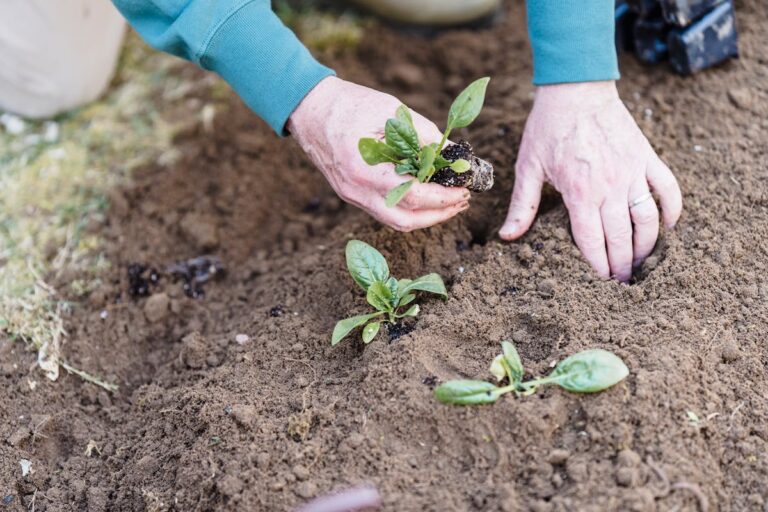
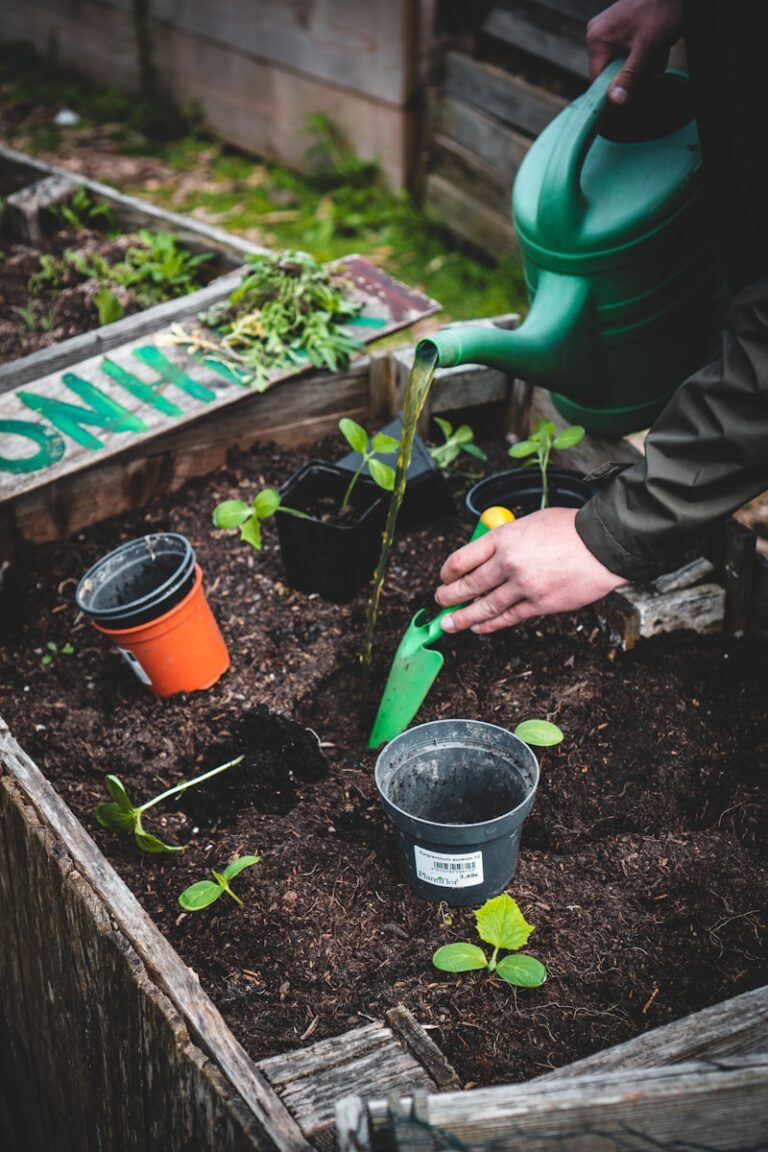
4. Planting: Follow the instructions for planting specific seeds or seedlings. Generally, you’ll want to fill your pot with soil, create a small hole for your seed or seedling, and cover it lightly with soil. Water gently to settle the plant.
5. Care and Maintenance: Regularly check your plants for water needs, which can vary depending on the type of plant and its environment. Ensure they have proper air circulation to prevent mold and pests. Keeping a journal can help you track watering schedules and growth patterns.
6. Harvesting: Once your plants are mature, enjoy the fruits of your labor! For herbs, snip leaves as needed, and for vegetables, pick them when they reach their ideal size. Regular harvesting encourages further growth.
Common Mistakes to Avoid
While indoor gardening can be a rewarding endeavor, beginners often make a few common mistakes. Here’s what to watch out for:
Overwatering: It’s easy to overestimate how much water your plants need. Always check the soil moisture before watering and ensure pots have drainage holes to prevent root rot.
Insufficient Light: Many plants require a significant amount of light. If natural light is scarce, invest in a good-quality grow light to supplement.
Ignoring Pests: Watch for signs of pest infestations, such as yellowing leaves or webbing. Addressing issues early can prevent larger problems.
Neglecting Nutrition: Even indoor plants need nutrients. Use a balanced fertilizer according to the specific needs of your plants, particularly during their growing season.
Bringing indoor gardening into the lives of veterans not only provides a fulfilling hobby but also enriches their overall quality of life. Whether in a structured program like the one in Sheridan, VA, or in your own home, cultivating plants can be a powerful tool for connection, wellness, and joy. So, gather your supplies, pick your plants, and start your indoor gardening journey today!