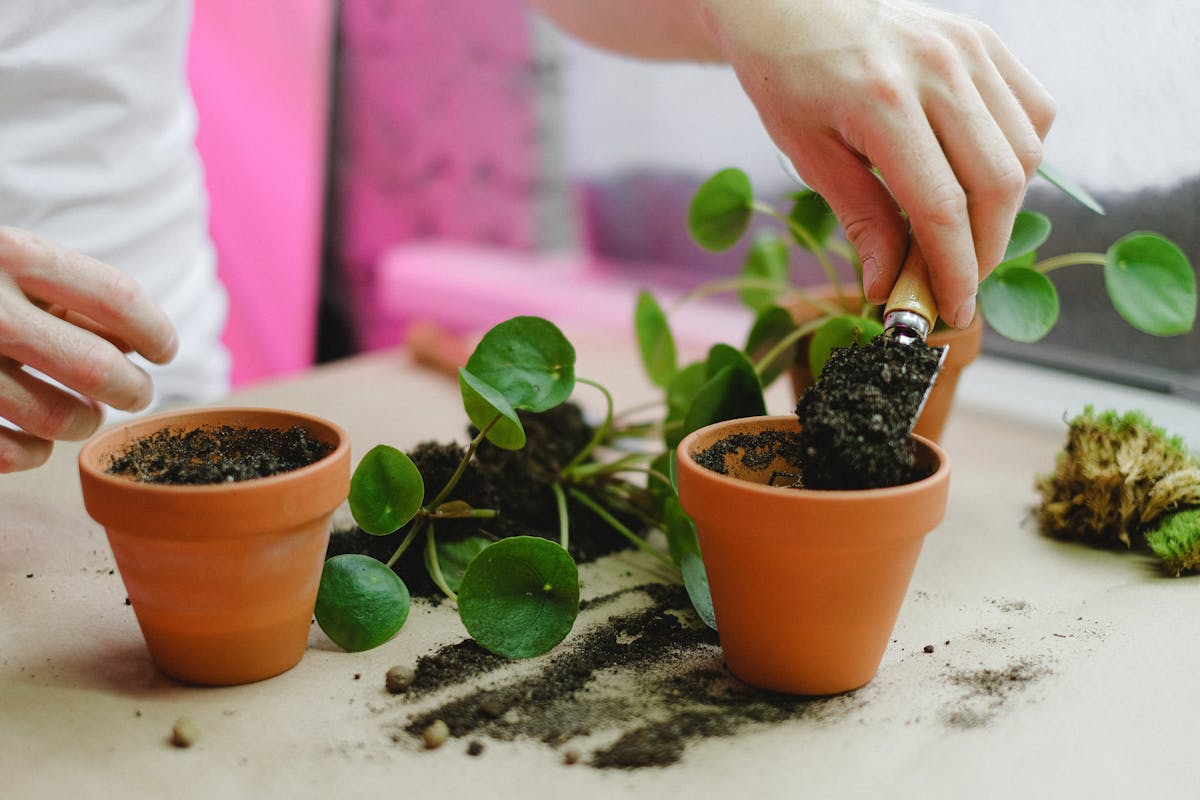
How Often Should You Really Repot Your Plants? Here’s What You Need to Know
Repotting houseplants is a popular topic among home gardeners, but just how often should you be doing it? Many plant enthusiasts question the frequency of this essential task, leading to confusion and varying practices. In this article, we’ll explore the signs that indicate it’s time to repot your plants, the best practices for doing so, and common misconceptions that might be holding you back.
Understanding the Need for Repotting
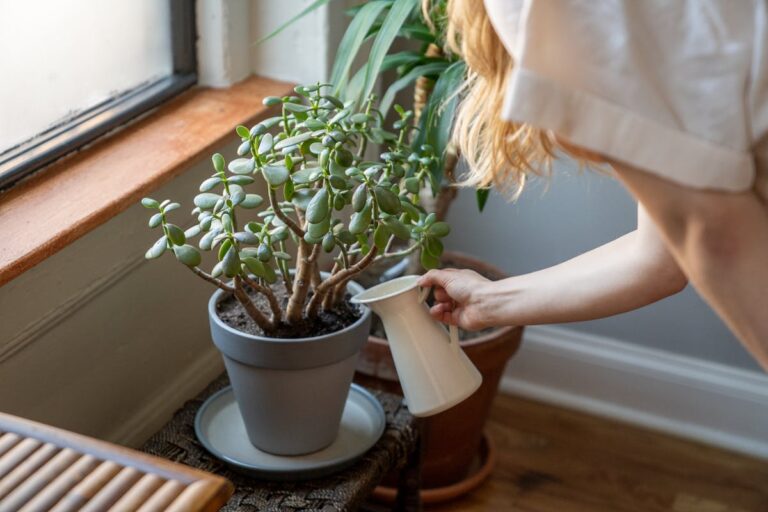
Repotting is more than just a routine chore; it’s crucial for the health and growth of your plants. Several factors can signal that it’s time to give your green friends a new home:
1. Root Bound: If you notice roots growing out of the drainage holes or circling around the soil surface, your plant is likely root-bound. This condition can stunt growth and lead to unhealthy plants.
2. Soil Degradation: Over time, potting soil can break down, losing its structure and nutrients. If water drains too quickly or the soil appears compacted and dry, it’s time for a change.
3. Watering Issues: If you find that you’re constantly watering your plant but it still looks wilted or thirsty, this could indicate that the roots are crowded and need more space.
4. Growth Stagnation: If your plant stops growing despite adequate light and water, it may be time to repot. Plants often thrive when given fresh soil and room to grow.
5. Pest Infestation or Disease: If your plant is suffering from pests or diseases, repotting can help eliminate the problem by allowing you to use fresh, uncontaminated soil.
When to Repot Your Plants
While there are no hard-and-fast rules regarding how often to repot, most indoor plants benefit from being repotted every 12 to 18 months. However, this can vary based on the type of plant, its growth rate, and environmental factors.
For example, fast-growing plants like pothos and peace lilies may need repotting more frequently than slower-growing varieties like succulents. Moreover, the time of year can influence the repotting schedule. The best time to repot most houseplants is during the growing season, which typically runs from spring to early summer. During this period, plants are more resilient and can recover more quickly from the stress of being transplanted.
Best Practices for Repotting
1. Choose the Right Pot: When selecting a new pot, choose one that is 1-2 inches larger in diameter than the current pot. Going too large can lead to overwatering issues, as the roots may struggle to absorb moisture in a larger volume of soil.
2. Use Fresh Potting Mix: Always use a high-quality potting mix suitable for your specific plant type. For instance, cacti and succulents require a well-draining mix, while ferns thrive in a more moisture-retentive blend.
3. Remove Old Soil: Gently shake off as much of the old soil as possible from the roots without damaging them. This helps to eliminate any residual salts or pests.
4. Check for Root Health: Inspect the roots as you repot. Healthy roots should be white and firm. Trim away any mushy or brown roots to promote better growth.
5. Water After Repotting: After placing your plant in its new pot, water it thoroughly to help settle the soil and eliminate air pockets.
Common Mistakes to Avoid
Repotting Too Frequently: While it might seem beneficial to repot often, doing so can stress your plants. Only repot when necessary, based on the signs mentioned above.
Choosing the Wrong Season: Repotting during the dormant season (late fall to early winter) can hinder your plant’s recovery. Stick to the growing season for the best results.
Ignoring Drainage: Ensure your pot has adequate drainage holes. Without proper drainage, you risk root rot and other complications.
Overwatering After Repotting: After repotting, it’s common to want to keep the soil moist. However, overwatering can lead to root rot. Allow the plant to adjust, and water according to its needs.
Neglecting Fertilizer: Don’t forget to feed your plant after repotting! Fresh soil may not contain enough nutrients to support growth, so use a balanced fertilizer according to the plant’s requirements.
Signs Your Plant Needs Help
If you notice any of the following signs outside of growth stagnation, it might be time to reevaluate your plant care routine:
Yellowing leaves
Wilting despite watering
Leaf drop
Stunted growth
These signs can indicate a variety of issues, including root problems, insufficient light, or pest infestations. Always assess the overall health of your plant before deciding on a repotting strategy.
By learning to recognize the signs that your plants need repotting and following best practices, you can ensure they remain healthy and thriving. Remember, every plant is unique, so take the time to understand its specific needs and grow your gardening skills along the way! Happy gardening!