How to Build a Zero-Cost Cold Frame from Recycled Materials
Ever wish you could keep your garden going even when it gets chilly outside? A cold frame can help you do just that by giving your plants extra warmth and protection from frost. The best part is, you can put one together without spending a dime by using stuff you already have lying around.
A zero-cost cold frame made from recycled materials is not only budget-friendly but also eco-friendly. With a little creativity and effort, you can build something practical that helps your plants thrive longer into the season.
Salvage old window frames for the cold frame walls
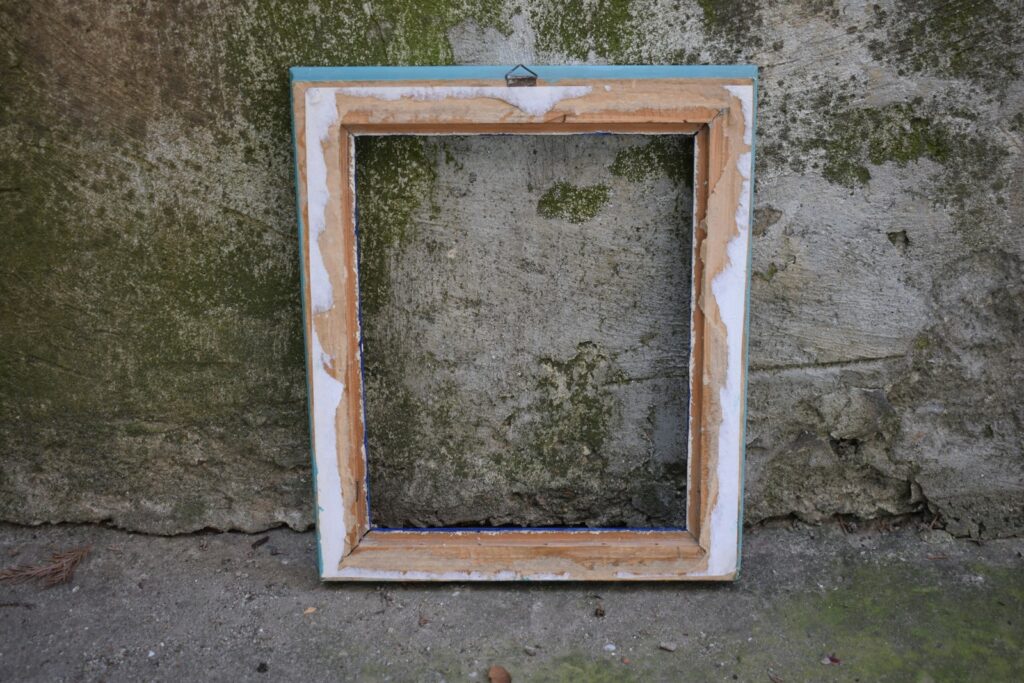
Old window frames make excellent walls for your cold frame. You might find them at thrift stores, construction sites, or even from neighbors who are remodeling.
Check the frames for broken glass or loose parts. Fixing them is usually simple and makes your cold frame safer and sturdier.
When you set the frames upright, they create a warm, sunny space for seedlings and plants. The glass lets in plenty of sunlight while keeping the cold out.
Use discarded wooden pallets for the base structure
Discarded wooden pallets are often free and easy to find at local stores or warehouses. Just make sure to choose pallets that are heat-treated for safety.
Dismantle the pallet carefully and remove the nails. The planks you get can form the frame and walls of your cold frame.
You can adjust the size of your cold frame by cutting the wood to fit your space. Pallets give you solid wood that supports your plants well.
Repurpose clear plastic from soda bottles as glazing
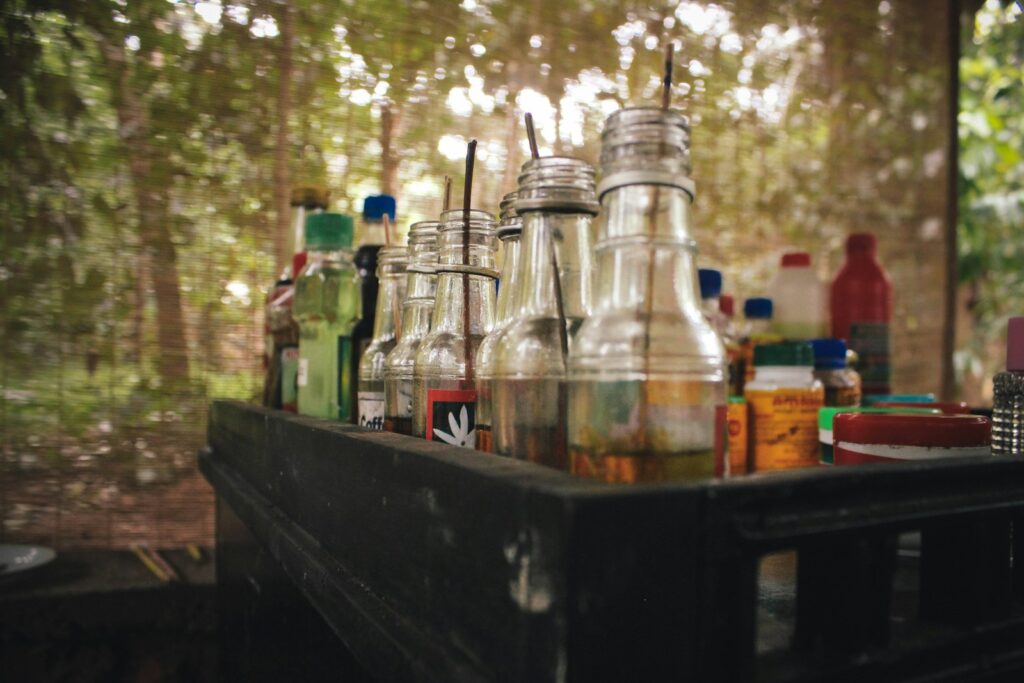
Clear plastic from soda bottles can be turned into glazing for your cold frame. Cut the bottles open and flatten the plastic so it lays smooth.
Attach the plastic sheets to the frame using staples, clips, or tape. Make sure it’s tight and secure but easy to remove for ventilation.
The clear plastic traps heat and keeps your plants cozy. This simple trick helps your seedlings grow strong even in cooler weather.
Cut old drawers to create plant compartments
Old drawers can be transformed into handy compartments for your cold frame. Look for drawers that are still sturdy but no longer needed.
Cut the drawers down to size so they fit inside your cold frame. Arrange them side by side to keep different plants separated and organized.
This makes it easy to move seedlings around and care for them. Plus, you’re giving new life to something that would otherwise be tossed out.
Utilize scrap lumber from construction sites
Scrap lumber from construction sites is often available for free or very cheap. Builders usually have leftover boards or offcuts that are perfect for projects like this.
Check the wood for nails or damage before using it. Sand down rough edges to keep your cold frame safe and neat.
You can piece together smaller boards for strong frames or use longer planks for the base. Using recycled lumber helps keep useful wood out of the trash.
Attach hinges from old cabinets for easy lid access
Hinges from old cabinets make it simple to open and close your cold frame lid. Find a pair from a cabinet you no longer need, or ask around for extras.
Line up the lid and frame, then screw the hinges into place. This allows you to check on your plants easily without removing the whole lid.
Reusing cabinet hinges adds durability and saves money. Your lid will work smoothly with parts that once belonged to something else.
Seal joints with leftover weatherstripping material

Sealing the joints where wood or plastic pieces meet can make your cold frame much more effective. Leftover weatherstripping material works great for this.
Cut strips of foam or rubber weatherstripping to fit the joints. Press them firmly onto the edges where different parts connect.
This helps keep cold air out and warm air in. Your plants will be better protected from drafts and chilly winds.
Line the bottom with broken bricks for drainage
Gather broken bricks or pieces of old concrete to line the bottom of your cold frame. This creates a base that lets water drain away easily.
Spread the bricks evenly across the bottom to stop water from pooling. Good drainage keeps your soil from getting too wet and helps your plants stay healthy.
Using leftover bricks is a smart way to recycle materials at no cost. They become the perfect foundation for your garden project.
Use old windshield glass as a durable cover
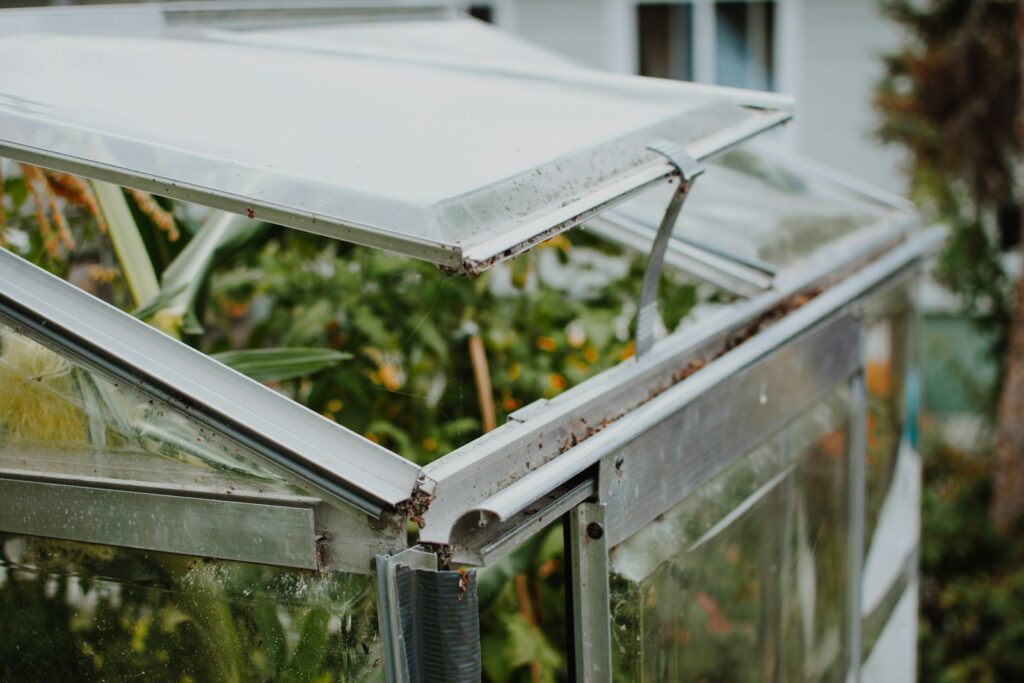
Old windshield glass makes a strong, long-lasting cover for your cold frame. Windshields are built to withstand weather and let in plenty of light.
Look for damaged windshields at junkyards. Handle the glass carefully to avoid cuts and use the rubber seal around the edges for a tight fit.
The curved shape helps rain run off easily. This keeps warmth inside and cold air out, giving your plants a cozy environment.
Wrap corners with repurposed metal strips for stability
Metal strips from old projects can make your cold frame sturdier. Look for scrap metal around your home or ask local shops if they have any extras.
Cut the strips to fit each corner and wrap them tightly around where two panels meet. Attach them with nails, screws, or strong glue.
The metal helps your cold frame resist wind and rain. Using recycled metal keeps useful materials out of the landfill.
Selecting and Sourcing Recycled Materials
Finding the right recycled materials is key to building a cold frame that lasts. Start by looking for items that are free and strong enough to protect your plants.
Finding Free and Local Resources
Check out construction sites, dumpsters (with permission), and thrift stores for discarded windows, pallets, or scrap lumber. You might be surprised at what people are willing to give away.
Online community groups like Craigslist, Freecycle, or Facebook Marketplace often have leftover building materials or broken furniture. Ask friends or neighbors if they have extra glass or wood.
Choose materials that are sturdy but easy to work with. This saves money and helps reduce waste.
Assessing Material Quality for Cold Frames
Inspect wood for rot, cracks, or pests before using it. Avoid anything with paint or chemicals that could harm your plants.
Windows should have intact glass and solid frames. Broken or cracked glass won’t keep heat in or protect your plants.
Test wood pieces for strength by pressing your thumb on them. If it feels soft or crumbles, skip it.
Label reusable materials by size and condition to stay organized as you build. This keeps your project on track and your cold frame strong.
Assembly Tips for a Durable Cold Frame
When putting your cold frame together, focus on keeping warmth in and moisture out. Use your recycled materials wisely to create a structure that stands up to the elements.
Maximizing Insulation with Repurposed Materials
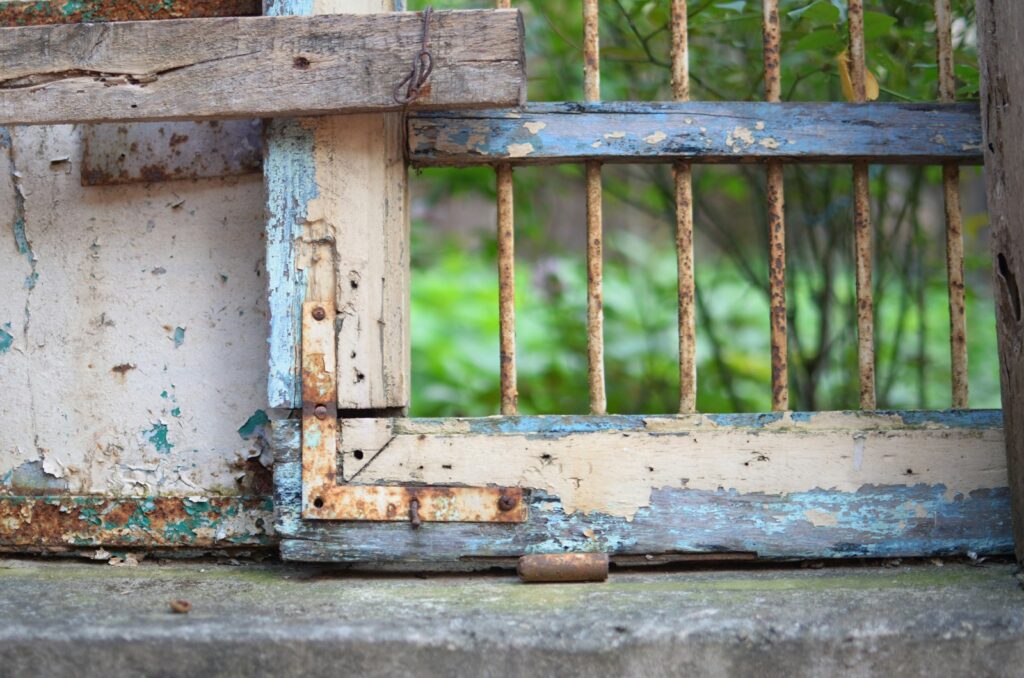
Old windows, clear plastic sheets, and heat-treated pallets work well to trap warmth. Layer straw, dry leaves, or shredded paper inside the frame as extra insulation around your plants.
Foam pieces from old packaging can fill gaps and cracks. Even egg cartons can be recycled as lightweight insulation panels inside the frame’s walls.
Make sure your lid or cover fits tight but can still be opened easily for ventilation on warmer days.
Weatherproofing Your DIY Structure
Nobody wants all their hard work ruined by a sudden storm or leaky seams. Building a cold frame that can stand up to wind and rain is possible with a few simple tricks.
Start by picking materials that won’t rot or fall apart quickly. Heat-treated pallet wood works well because it’s sturdy and keeps bugs away.
Seal up wood joints with natural glue or leftover caulk if you have some handy. If not, strips of recycled plastic or rubber from old containers can cover seams and keep water from sneaking in.
To keep your cold frame from blowing away, use bricks, stones, or heavy wood scraps to weigh down the edges. This helps the cover stay put even on blustery days.
Find a spot for your cold frame that’s shielded from strong winds or heavy rain splash. Nestling it near a south-facing wall can give your plants some extra warmth and protection.