How to Create a Winter Sanctuary for Pollinators in Your Backyard
When winter settles in, it’s easy to think your backyard is on pause. But if you look closely, you’ll find bees, butterflies, and other pollinators still searching for food and shelter.
Your outdoor space can become a haven for these tiny visitors, even when it’s cold outside. With just a few tweaks, you can make a real difference for pollinators waiting out the winter.
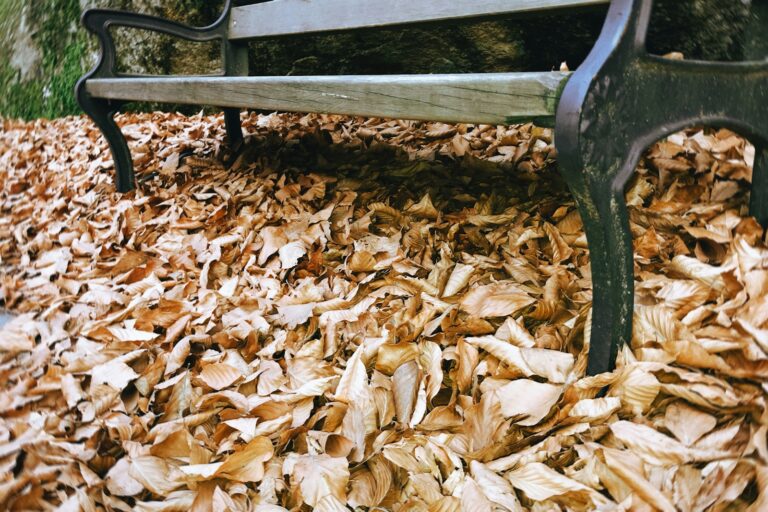
Leave leaf litter and fallen logs to provide natural shelter

Letting leaves stay on the ground might seem messy, but it’s a lifesaver for pollinators. Fallen leaves create a warm, protective layer where bees, butterflies, and moths can hide from the cold.
Logs that have tumbled down in your yard are also valuable. They offer secret hideouts for insects to rest and stay dry.
Keeping leaves and logs helps a variety of pollinators survive the winter months. As these natural materials break down, they enrich your soil and set the stage for a healthier garden next spring.
Plant native perennial flowers that bloom late into fall
Planting native perennials that bloom late into the season gives pollinators a crucial food source. These flowers keep your garden buzzing with bees and butterflies long after summer fades.
Look for options like New England Aster, which lights up your yard with purple blooms into the fall. These plants are tough, easy to grow, and adapt well to local conditions.
Choose sunny spots with good drainage for your perennials. You’ll enjoy a garden that supports wildlife and stays colorful as the days get shorter.
Create bundles of hollow stems for bee nesting sites

Gather up hollow stems from plants like raspberry canes or old flower stalks. Cut them into eight-inch pieces and bundle them together.
Place these bundles upright in a sheltered spot, such as near a fence or tucked into a garden bed. This gives solitary bees a safe place to nest and ride out the winter.
You can also add untreated wood with drilled holes for even more nesting options. Make sure everything stays dry and protected from the wind.
Avoid pruning dead plant stems in late autumn
It’s tempting to tidy up your garden by cutting down all the dead stems, but those stems are valuable. Many native bees and insects use them for winter shelter.
Leave at least a foot or two of dead stems standing. Pollinators will find safety inside, and you’ll keep your garden looking interesting with seed heads that attract birds.
Set up a shallow water source with stones for safe drinking
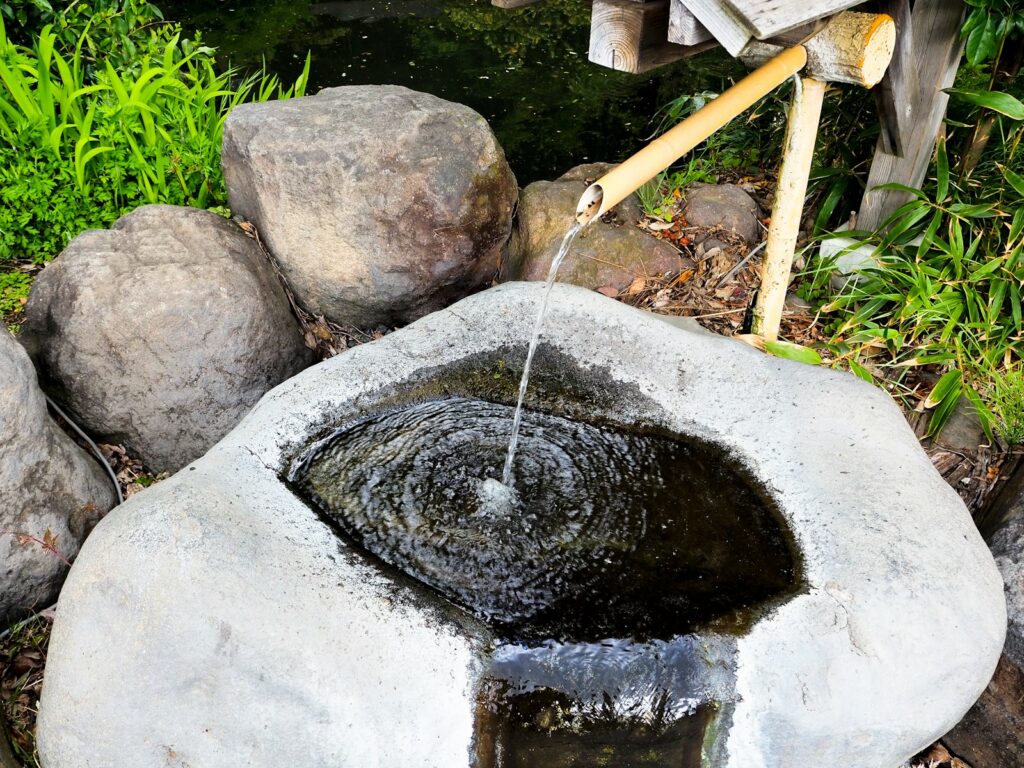
Even in winter, pollinators need water. Set out a shallow dish or saucer and fill it with small stones or pebbles.
Keep the water level just touching the tops of the stones so insects can drink without falling in. Check the dish often and keep the water clean, especially during freezing weather.
This simple step gives pollinators a safe place to drink when natural sources are frozen.
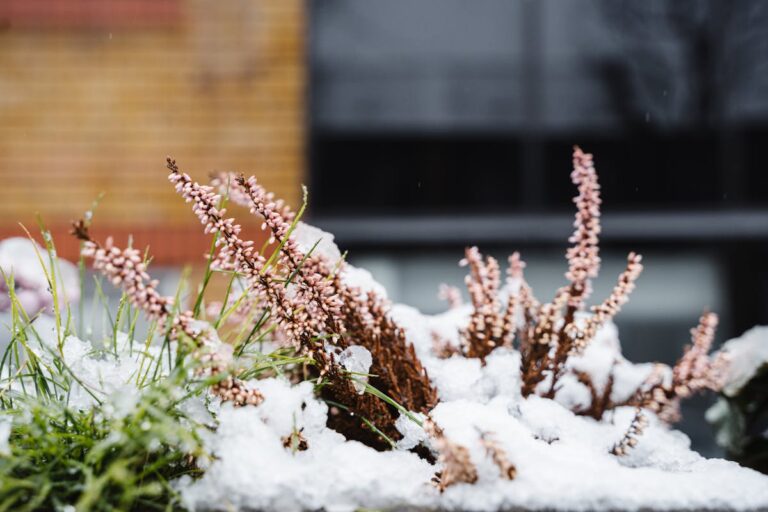
Grow heather and winter savory for continuous nectar
Heather and winter savory are great choices for keeping nectar available through the colder months. Heather blooms in winter and early spring, offering much-needed food for bees.
Winter savory is a hardy herb that flowers even in chilly weather. Its fragrant blooms attract pollinators when other plants are dormant.
Plant these together in sunny, well-drained spots. They’re low-maintenance and provide a lifeline for pollinators and a flavorful addition to your kitchen.
Build small brush piles for layering warmth and protection

Stack branches, sticks, and twigs into small piles throughout your yard. These brush piles create cozy pockets where pollinators and other small creatures can hide from the cold.
Layer the branches loosely to allow for airflow and warmth. Avoid using grass clippings or leaves that can get packed down and block air.
Place native flowers nearby so pollinators have food and shelter close together.
Incorporate evergreen shrubs for year-round cover
Adding evergreen shrubs to your garden means pollinators have shelter even when most plants lose their leaves. Evergreens provide protection from wind and snow all season.
Plant shrubs in various spots to create hidden nooks for insects. Some evergreens even offer berries or winter flowers, adding extra food sources.
Mixing different evergreens brings color and texture to your landscape while making your yard more inviting for wildlife.
Scatter seeds of native plants that support butterflies and bees

Sprinkle native plant seeds like milkweed, coneflowers, or asters in sunny, open areas. These plants are adapted to your local climate and provide the right food and shelter for pollinators.
Native seeds are easy to grow and attract a variety of butterflies and bees. Keep the soil moist as the seeds settle in and watch the garden come alive, even as temperatures drop.
Place a bee hotel in a sunny, sheltered spot
Find a sunny, protected place in your yard for your bee hotel. A southeast-facing wall or fence works well, giving bees warmth from the morning sun.
Keep the bee hotel out of the wind and rain. Place it about one to two meters off the ground for easy access and maintenance.
A well-placed bee hotel becomes a cozy winter retreat for solitary bees.
Understanding Pollinator Needs in Winter
Pollinators need food, shelter, and safety to make it through winter. Knowing their habits helps you create a backyard that supports them during the coldest months.
Life Cycles and Overwintering Habits
Different pollinators have their own winter strategies. Some bees hide underground or in hollow stems, while others lay eggs that remain dormant until spring.
Butterflies and moths often tuck themselves under bark or leaves. Certain beetles and flies might even venture out on mild winter days.
Keeping leaves and stems in your garden gives these insects places to hibernate or rest.
Common Backyard Pollinators Active in Cold Weather
Some pollinators, like rusty patched bumblebees and certain flies, are active during warm spells in winter. They search for early blooming flowers such as crocuses or witch hazel for food.
Butterflies like the mourning cloak use tree cavities or brush piles to stay safe. Birds, including hummingbirds, benefit from leftover seed heads and unfrozen water.
Planting early bloomers and leaving some garden debris helps these creatures find what they need.
Enhancing Habitat and Shelter Design
Supporting pollinators in winter is all about choosing the right plants and building thoughtful shelters. Natural materials like wood, bark, and dry grass mimic the habitats pollinators rely on.
Choosing the Right Plants and Materials

Pick plants that bloom late or keep their seed heads through winter, such as coneflowers and asters. These provide both food and cover.
Leave some dead stems and leaves in place. They offer safe hiding spots and warmth for insects.
Use untreated wood, bark, and mulch to create shelter. Avoid chemicals and treated materials, which can harm pollinators. Layering mulch or leaves near plants helps keep the ground insulated for ground-nesting insects.
Natural Versus Man-Made Shelters
Think about all the small corners and hidden spaces in your yard. Hollow stems, leaf litter, and brush piles often become cozy homes for pollinators.
These spots offer warmth and protection from harsh weather. You can help by leaving parts of your garden untouched or gathering natural materials into sheltered piles.
Man-made shelters like bee hotels or insect houses can also help pollinators get through winter. Use untreated wood and drill holes of different sizes to welcome a variety of species.
Set these shelters where they’ll stay dry and catch some sun, such as under eaves or near a sunny wall. With a mix of natural and homemade spots, your yard can become a favorite winter hideout for pollinators.