How to Design a Kid-Friendly Garden That’s Actually Pretty and Fun for the Whole Family
If you’re dreaming of a backyard that your kids will love but that also looks inviting for adults, you’re not alone. Balancing beauty, safety, and fun can feel tricky, but a few creative ideas can turn your garden into everyone’s favorite spot.
Your outdoor space can become a place where imaginations run wild and flowers bloom. With thoughtful choices, your garden can inspire creativity and stay lovely for years to come.
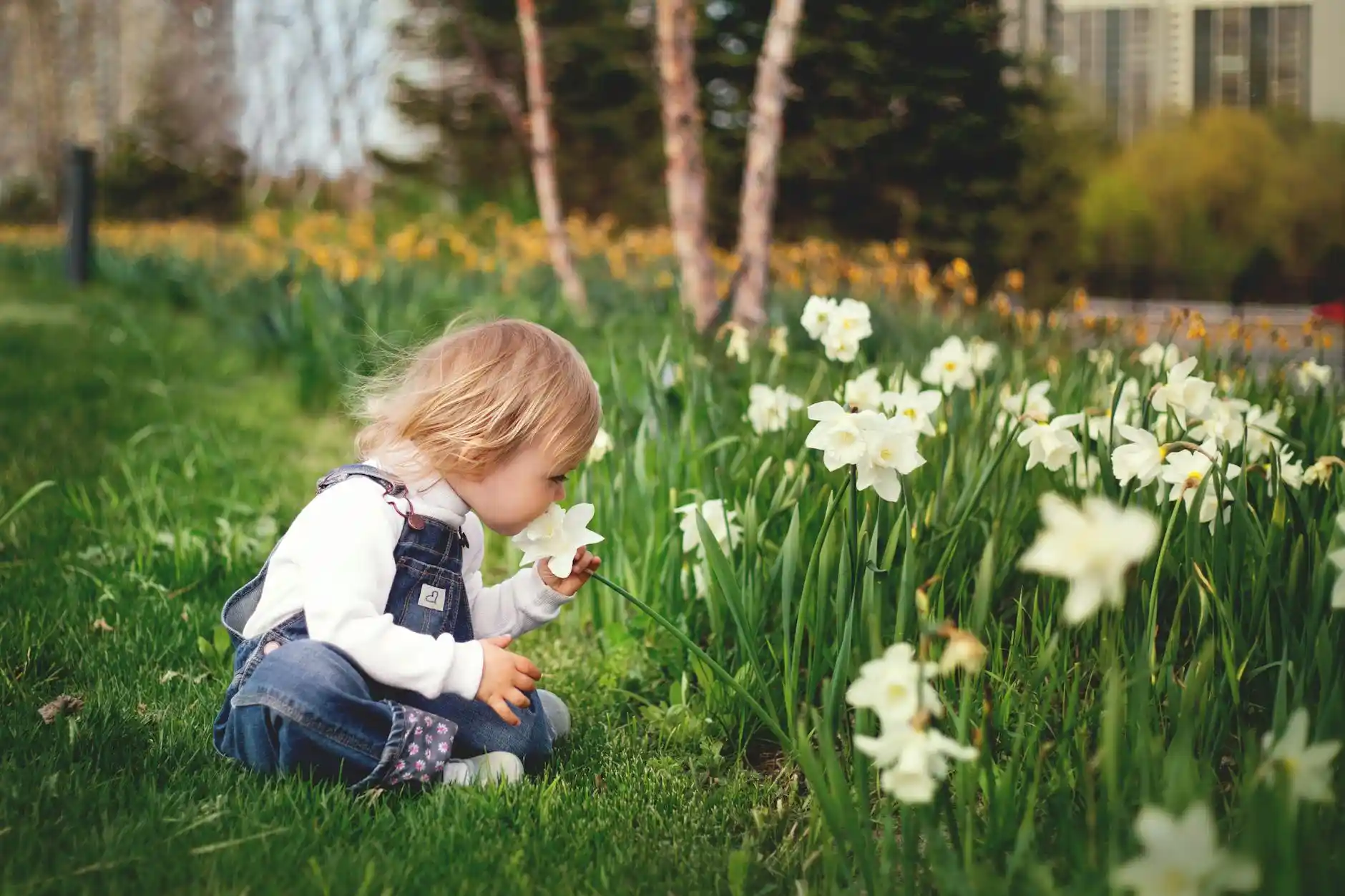
Use vibrant flower beds to add color and attract pollinators!
Bright, colorful flower beds are a simple way to make your garden stand out. Kids are drawn to bold colors, and you’ll enjoy the lively look.
Choose flowers in reds, yellows, purples, and oranges to create a cheerful space. These colors also bring in pollinators like bees, butterflies, and hummingbirds.
Watching these visitors can be a fun way for kids to connect with nature. Plant a mix of blooms that flower at different times to keep things interesting.
Even small flower beds or containers can add bursts of color and support local pollinators. Your garden will feel full of life and excitement.
Install soft grass or artificial turf for a safe play surface
A soft play surface makes a huge difference for active kids. Real grass feels nice but can wear out quickly in busy areas.
Artificial turf stays green and soft all year, and it doesn’t get muddy after rain. It also requires less maintenance, which means more time for fun.
Consider adding a soft padding underneath artificial turf to absorb shocks and make the area safer. This helps the surface last longer and keeps your garden looking great.
Prepare the ground by removing rocks and leveling it before installing turf. Secure the edges and add infill for extra softness.
With soft grass or turf, your garden becomes a safe, clean playground ready for hours of play.
Create cozy reading nooks with weatherproof bean bags or cushions
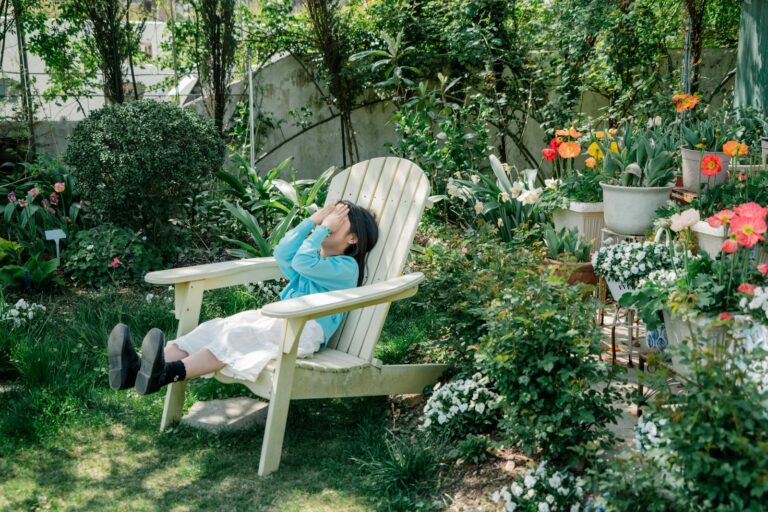
A cozy reading nook can turn any garden corner into a favorite retreat. Weatherproof bean bags or cushions make comfy spots that handle sun and rain.
Set up your nook near a shady tree or under a pergola for a relaxing vibe. Add colorful cushions to make it feel playful and inviting.
You don’t need a lot of space—just a quiet corner will do. Kids can curl up with books and enjoy their own outdoor hideaway.
Easy-to-clean fabrics mean less stress about messes. These simple touches encourage reading and make your garden extra welcoming.
Incorporate whimsical stepping stones for fun pathways
Whimsical stepping stones add a playful twist to your garden paths. Kids love hopping from stone to stone, turning a simple walk into an adventure.
Choose bright colors or fun shapes to catch their attention. Natural stones give a rustic look, while foam stones are soft and safe for play.
Making stepping stones together is a fun project. Let your kids decorate them with paint or pressed leaves for a personal touch.
Arrange the stones in patterns that encourage hopping and jumping. These playful paths invite exploration and spark imagination.
Add interactive elements like a DIY mud kitchen or sensory table
A DIY mud kitchen or sensory table brings hands-on fun to your garden. Kids can mix, scoop, and create using dirt, water, leaves, and twigs.
Mud kitchens are easy to build and offer endless creative play. Sensory tables filled with sand, water, or natural items keep little hands busy and minds curious.
Both ideas fit gardens of any size. You can customize them to suit your space and use materials you already have.
These interactive spots encourage learning and play in a colorful outdoor setting.
Plant a butterfly garden with milkweed, lavender, and coneflowers
Invite butterflies into your garden by planting flowers they love. Milkweed is essential for monarch caterpillars and attracts butterflies looking for food.
Lavender brings beautiful purple blooms and a soothing scent. Butterflies flock to its nectar, and you’ll enjoy the fragrance too.
Coneflowers add bright pops of color and extra nectar for adult butterflies. Group these plants together for a vibrant, full look.
Watching butterflies flutter around is exciting for kids and helps them learn about nature. Your garden becomes a safe haven for these beautiful creatures.
Build a small treehouse or elevated platform for adventure
A treehouse or elevated platform adds a sense of adventure to your garden. Even a small structure gives kids a special place to explore and play.
Pick a sturdy tree that can safely support the platform. Keep the design simple and sized to fit your space.
Add a safe ladder or steps for easy climbing. Handrails or low fences make the area secure for everyone.
Make it cozy with a little roof, cushions, or some string lights. This magical spot will quickly become a favorite hangout.
Use natural materials like logs and rocks for climbing features
Logs and rocks can turn your garden into a natural playground. They create fun climbing and balancing spots without disrupting the garden’s look.
Logs make great balance beams or stepping stones. Kids love testing their skills as they walk across them.
Flat rocks are perfect for climbing or jumping between. These features blend in with plants and soil for a seamless, natural feel.
Arrange logs and rocks safely with smooth edges and stable positions. Mixing in plants or sand adds variety and keeps things interesting.
Include a chalkboard or painting wall for creative art play
A chalkboard or painting wall outdoors lets kids express themselves in new ways. Turn a fence panel or garden wall into a creative canvas with chalkboard paint.
This art space encourages drawing, writing, and imaginative play in the fresh air. Colorful borders make it stand out and tie it into the rest of your garden.
Washable paints keep messes easy to manage. Outdoor art areas invite kids to spend more time outside and build creative skills.
Having a special spot for art makes your garden both beautiful and inspiring.
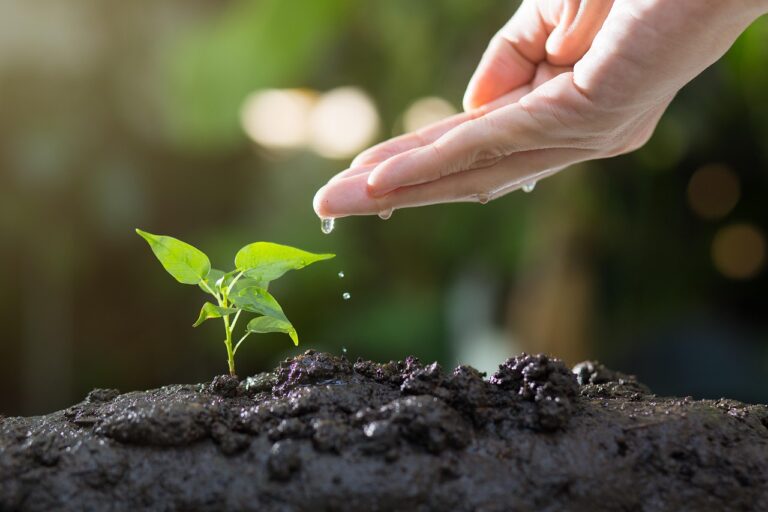
Set up raised garden beds where kids can plant their own veggies
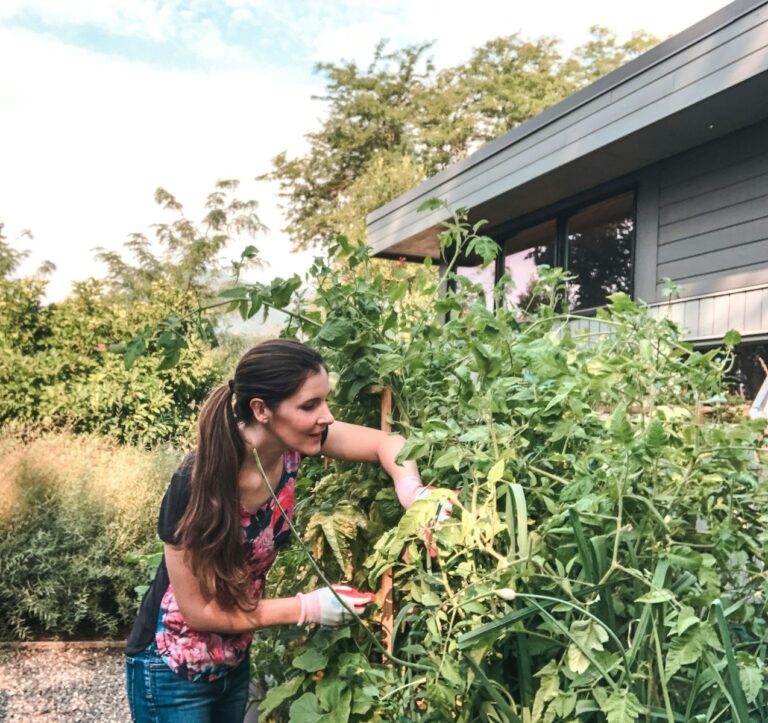
Raised garden beds give kids their own space to grow plants. A small bed—about four feet by four feet—is easy for children to reach and care for.
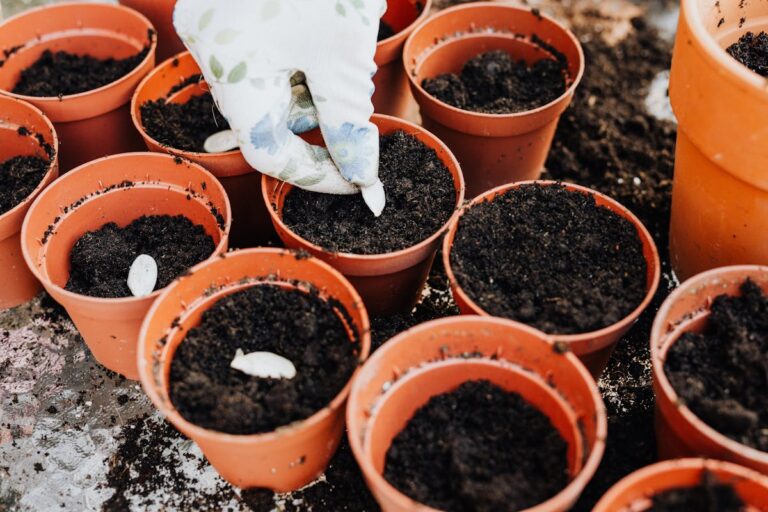
Pick a sunny spot and let your kids choose fast-growing veggies like cherry tomatoes or snap peas. These plants keep children engaged and excited.
Raised beds mean less digging and fewer weeds, so kids can focus on planting and watching things grow. The soil drains well, helping plants stay healthy.
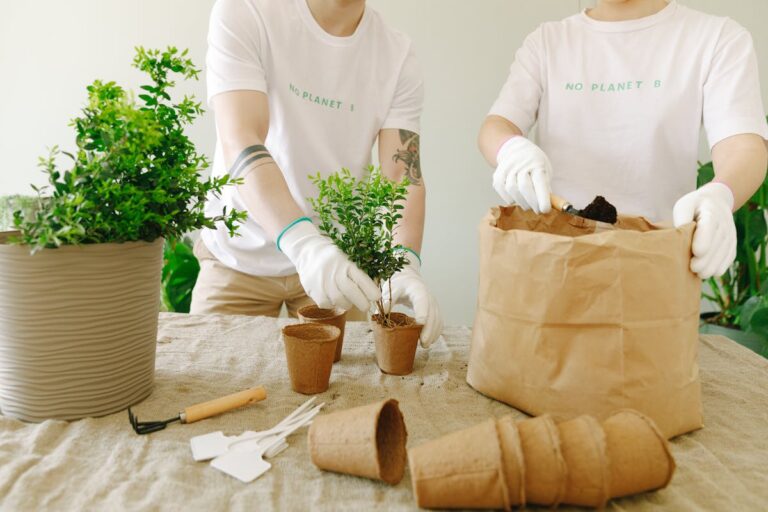
Give kids child-sized tools and let them do as much as possible. This hands-on gardening builds confidence and a sense of pride.
Balancing Safety With Style
A beautiful garden can also be a safe place for kids. Choosing the right plants and materials helps you create a child-friendly space without giving up on style.
Non-Toxic Plant Choices
Pick plants that are safe for children to touch and taste. Avoid toxic varieties like oleander, foxglove, and some types of ivy.
Herbs such as basil, mint, and rosemary add scent and color while being safe. Bright flowers like marigolds and sunflowers bring cheerful pops of color.
Use soft grasses and low-growing shrubs for easy access and gentle play areas. Labeling your plants helps kids learn about them safely.
Stick to non-thorny and non-spiky plants to prevent scrapes. Careful selection keeps your garden a healthy space for kids to explore.
Safe Garden Materials
Choose soft surfaces like rubber mulch, pea gravel, or artificial turf for play areas. These cushion falls better than hard surfaces.
If you use wood for garden beds, make sure it’s untreated or sealed to avoid chemicals. Fences and gates should be sturdy and child-proof with no sharp edges.
Opt for rounded plastic or wood furniture instead of metal pieces with sharp corners. Bright colors in furniture and decor keep the space lively and fun.
Combining safety with style means picking materials that protect your kids while making the garden inviting for everyone.
Encouraging Playful Exploration
A garden that invites play and discovery keeps kids coming back for more. Bright colors and interactive features make the space fun and inspiring.
Inviting Color Palettes
Choose bold shades like sunny yellow, sky blue, and grassy green to brighten the garden. Use colorful pots, furniture, or painted stones for extra pops of color.
You can also create color zones using different flowers and plants. For example:
| Color Zone | Plants/Elements to Use |
|---|---|
| Warm tones | Marigolds, sunflowers, red tulips |
| Cool tones | Lavender, bluebells, ferns |
| Mixed colors | Zinnias, pansies, snapdragons |
This colorful setup encourages kids to explore and learn about nature in new ways.
Interactive Design Ideas
Imagine a garden where kids are free to touch, move, and experiment. Paths with stepping stones or a small sandbox can make any outdoor space more inviting.
Set up areas where children can dig safely and let their curiosity lead the way. Natural materials like wood and stones are perfect for climbing structures or balance beams.
Sensory features add another layer of fun. Try including a chalkboard wall for drawing or a water play area with sprinklers and small pumps.
Wind chimes are a simple touch that fill the air with sound whenever the breeze picks up.
These ideas help transform your garden into a playful learning space. Kids will love having a place to explore at their own pace and enjoy endless outdoor fun.