10 Easier Ways to Garden When You’re Too Busy
Ever feel like you’d love to have a garden but just can’t find the time? Busy schedules and packed days can leave little room for plant care, but that doesn’t mean you have to give up on having thriving greenery.
With a few clever tweaks and some practical shortcuts, you can keep your plants happy and healthy without adding stress to your life.
Set a realistic gardening schedule with just 10-15 minutes daily!
You don’t need hours to care for your garden. Just 10 to 15 minutes a day can make a big difference.
By working in small bursts, you keep things manageable and avoid feeling overwhelmed. Pick a time that fits your daily routine.
Mornings work great for quick watering and checking plants. Evenings are perfect for light pruning or harvesting a few veggies.
Focus on simple tasks like watering, weeding, and pest checks. These small jobs add up and help your plants thrive without eating up your whole day.
Short, consistent efforts keep your garden in shape and save your weekends for fun or rest.
Use self-watering containers to keep plants hydrated effortlessly
If you’re always on the go but still want some greenery, self-watering containers might be your new best friend. These pots have built-in reservoirs that hold water so your plants can drink whenever they need it.
You just fill the reservoir, and the container uses wicks or capillary action to bring water up to the roots. This keeps the soil moist and helps prevent both overwatering and underwatering.
Self-watering containers also save you time. You won’t need to check your plants constantly because they get just the right amount of water.
They come in many sizes and styles, making it easy to find one that fits your space. Whether indoors or outdoors, self-watering pots are a great way to keep your plants alive while you focus on your busy life.
Choose low-maintenance plants like succulents and herbs
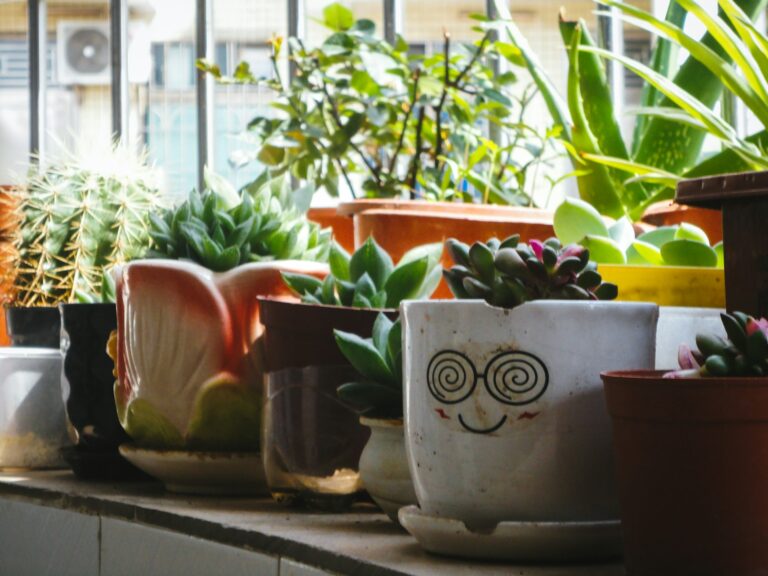
When time is tight, low-maintenance plants are a lifesaver. Succulents are easy to care for because they need very little water.
You can water them once a month, and they still look great thanks to their thick leaves that store moisture. Herbs like rosemary, thyme, and mint also don’t require much attention and can grow well in pots or garden beds.
You’ll have fresh flavors ready whenever you cook, which is a nice bonus for busy days. These plants don’t need constant pruning or special soil.
They tolerate different light levels, so you have options whether your garden is sunny or shady. Choosing these kinds of plants means you spend less time worrying about your garden and more time enjoying it.
Apply mulch to reduce watering needs and prevent weeds.
Mulching is a smart way to save time in your busy garden. When you apply mulch around your plants, it helps keep the soil moist longer.
This means you don’t have to water as often, which is perfect when your schedule is tight. Mulch also acts like a barrier against weeds by blocking sunlight from reaching weed seeds.
This cuts down on the time you spend pulling unwanted plants. To get the best results, spread 2 to 4 inches of mulch evenly over the soil.
Keep it away from plant stems to avoid problems like rot and pests. Organic mulches like straw, wood chips, or leaves break down over time, slowly adding nutrients to your soil.
Refreshing your mulch once or twice a year keeps it effective. This simple step keeps your garden healthy, hydrated, and less weedy while saving you precious time and effort.
Automate watering with a drip irrigation timer system
You can save a lot of time by using a drip irrigation timer system for your garden. It waters your plants automatically, so you don’t have to remember to do it every day.
All you need is a timer that connects to your outdoor faucet and controls the water flow. The timer lets you set when and how long your garden gets watered.
Drip irrigation uses small tubes that deliver water directly to the base of each plant. This method wastes less water and helps keep your plants healthy.
Choose a timer that fits your garden size and needs. Then, connect hoses and drip lines to the timer following simple steps.
Once it’s all set, you just program the schedule. No more dragging hoses around or worrying about overwatering.
Grow vertically to maximize space and minimize upkeep
When you’re busy, growing your garden vertically can save you a lot of time and effort. Using trellises, wall planters, or hanging containers lets you use smaller spaces like balconies or fences.
This means you can fit more plants without needing a big yard. Vertical gardening keeps plants easier to reach for watering and harvesting.
It also helps air flow around plants better, which can lower the chance of disease. With less weeding and less bending, you spend less time on daily chores.
You can grow many types of plants vertically, especially herbs, tomatoes, peas, and beans. Climbing plants thrive when given a structure to grow upward.
Your garden looks beautiful too—greenery climbing up walls or fences creates a fresh, lively space.
Batch garden tasks to save precious time each week
If you’re always juggling a dozen things, batching garden tasks can be a game changer. Instead of spreading out small jobs every day, set aside a block of time once or twice a week to get them all done.
This way, you stay focused and avoid wasting energy on switching between different tasks. For example, you could dedicate one session to weeding, pruning, and watering.
Then, on another day, handle planting, feeding, and mulching. When you batch these jobs, your work moves faster because you’re using the same tools and mindset for each task.
Batching also helps you build a routine that fits your busy schedule. You won’t feel like you have to rush outside every day.
Instead, you can look forward to scheduled gardening times that keep your plants healthy without overwhelming your week.
Utilize raised beds for easier access and faster soil warming
Raised beds can make gardening way more manageable when your time is limited. Because the soil is higher, you don’t have to bend as much, which makes planting and harvesting quicker and less tiring.
The soil in raised beds warms up faster in spring. This means you can start planting earlier, giving your plants a better chance to grow strong.
The warmer soil also keeps heat longer in the fall, extending your growing season. Raised beds also improve drainage and soil quality.
They help keep your plants healthy by avoiding soggy soil, which can slow down growth. Plus, it’s easier to add compost or nutrients directly to the bed, making plant care simpler.
With less weeding and better growing conditions, your garden becomes more manageable, even with limited time.
Keep pruning tools handy for quick touch-ups anytime
Keeping your pruning tools close by makes it easier to stay on top of small gardening tasks. You can quickly trim a few branches or dead leaves whenever you spot them.
This keeps your plants healthy without needing a big time commitment. Simple tools like hand pruners and loppers are perfect for quick jobs.
They are light and easy to use, so you can handle small tasks fast. When your tools are within reach, you won’t put off pruning until it’s a bigger job.
Remember to keep your tools clean and sharp to make smooth cuts and prevent plant damage. By making pruning a quick, regular habit, you keep your garden looking great even with a busy schedule.
Just a few minutes here and there can make a big difference.
Start composting kitchen scraps for nutrient-rich soil
Turning kitchen scraps into compost is a quick, earth-friendly way to boost your garden’s health. Composting is a simple way to reduce waste and create soil that helps your plants grow strong.
Instead of tossing food leftovers, save them to make nutrient-rich compost right at home. Everyday scraps like fruit peels, coffee grounds, and vegetable bits are all you need.
Even small spaces work well for composting with a bin, worm bin, or Bokashi system. Over time, microorganisms break down the scraps into dark, rich soil known as compost.
Adding this compost to your garden improves plant growth without needing store-bought fertilizers. Starting your own compost saves you time and effort in the long run.
It’s a small daily habit that can make a big difference in your garden’s health.
Understanding Low-Maintenance Gardening
Low-maintenance gardening is about making smart choices that save you time and effort. Set up your garden so it needs less water, fewer weeds, and minimal pruning while still looking great.
You’ll see how easy gardening can be when you use the right tools and plants.
What Makes a Garden Easy to Maintain
An easy garden is all about cutting down the tasks you usually spend hours on. Reduce watering, weeding, and trimming as much as possible.
Using mulch is a great way to do this. It keeps moisture in the soil and stops weeds from growing.
Simple garden layouts with less crowded plants make caring for them faster and easier. Setting up a good watering system, such as drip irrigation or soaker hoses, can save you loads of time.
These systems water plants slowly and directly at their roots, cutting down water waste and keeping plants healthy without daily attention.
Choosing the Right Plants for a Busy Lifestyle
The key to a low-work garden is picking plants that can handle neglect and still look good. Look for perennials and native plants because they come back year after year and are used to local weather.
This means they need less water and fertilizer. Tough plants like lavender, sedum, and salvia are great choices—they survive dry spells and need little pruning.
Plants with deep roots also access water better during dry times, so they stay healthy without you watching them closely. In containers, select plants that grow well with minimal care, like succulents or herbs.
They save you from frequent replanting and do well in smaller spaces.
Time-Saving Gardening Techniques
You can save a lot of time and effort by using smart watering methods and mulching your garden. These steps help your plants stay healthy with less work, so you can enjoy your garden even on your busiest days.
Smart Watering Strategies
Water your plants early in the morning or late in the evening to reduce evaporation. This means more water reaches the roots instead of drying out in the heat.
Use drip irrigation or soaker hoses to deliver water directly to the soil. These tools save water and prevent leaves from getting wet, which helps avoid diseases.
Set timers on your watering system to control how much and when your garden gets watered. This way, you don’t have to remember or waste time each day.
Group plants that need similar amounts of water together. This makes it easier to water efficiently without over or underwatering parts of your garden.
Mulching for Effortless Care
Tired of spending hours watering and weeding your garden? Mulching might be the simple fix you’ve been looking for.
Spread a thick layer of organic mulch like straw, bark chips, or shredded leaves around your plants. Mulch locks in moisture by reducing evaporation.
It also blocks weeds from popping up, so you spend less time battling them. The soil stays cooler in the summer and warmer in the winter, helping your plants handle temperature swings.
As mulch slowly breaks down, it adds nutrients back into the soil. Just add 2 to 3 inches around your plants and top it up when it looks thin.