How to Keep Squirrels Out of Your Winter Bulbs Without Chemicals
If you’ve ever planted winter bulbs and come back to find holes in your garden, you know how frustrating squirrels can be. After waiting all season to see those blooms, it’s tough watching your hard work get undone by these furry foragers.
You don’t need to turn to harsh chemicals to keep your bulbs safe. There are plenty of gentle, natural ways to protect your garden and keep squirrels at bay.
Plant bulbs at least 8 inches deep to prevent squirrels from digging them up!
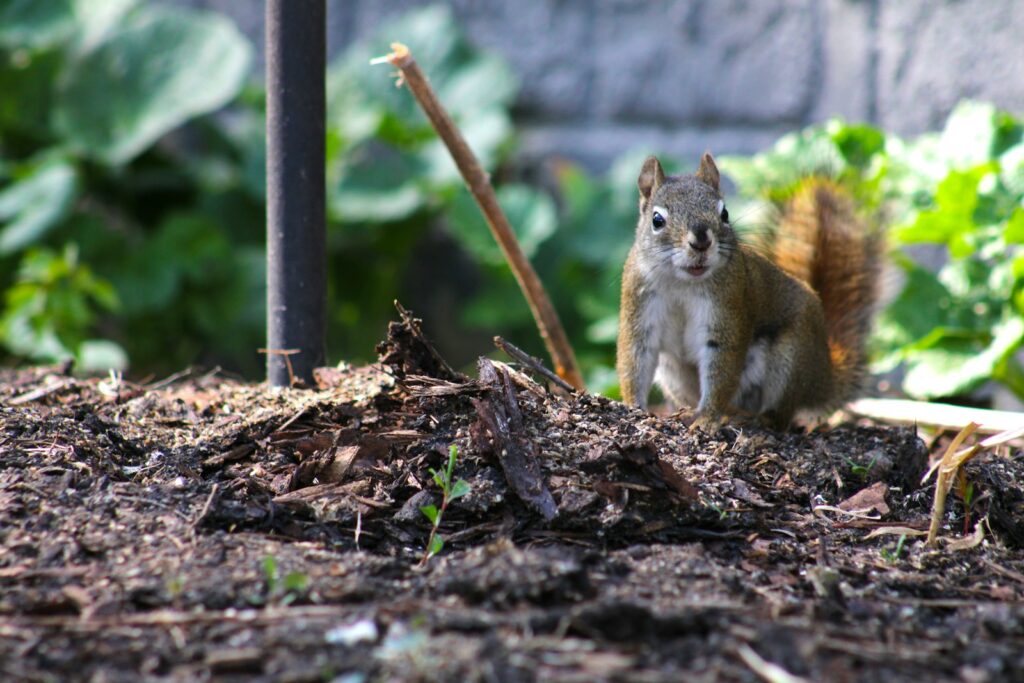
Planting bulbs deeper in the soil is a simple way to outsmart squirrels. If you bury bulbs at least 8 inches down, they become much harder for squirrels to reach.
Squirrels tend to go after bulbs that are closer to the surface. By going deeper, you make them less tempting and more secure.
This method is safe for both your garden and the wildlife. Planting deeper also helps bulbs develop stronger roots for a better spring bloom.
Try this with your next batch of bulbs and see how much longer they last.
Use sharp rocks or gravel on top of the soil to deter digging
A layer of sharp rocks or gravel on top of your soil can keep squirrels from digging. The rough surface is uncomfortable for their paws.
Scatter crushed oyster shells, stones, or gravel where you’ve planted bulbs. You can even add some directly into the planting hole.
This trick doesn’t just protect your bulbs, it also adds a tidy, natural look to your garden. Refresh the layer as needed to keep it effective.
Create a chicken wire cage over the bulb area as a physical barrier
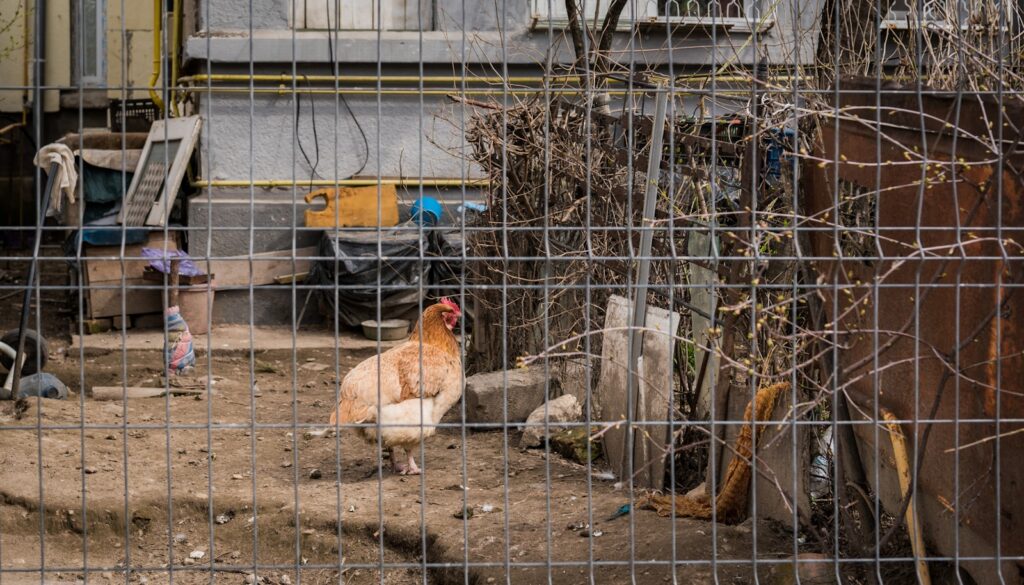
A chicken wire cage is a strong way to keep squirrels from your bulbs. The small mesh openings block digging without harming any animals.
Cut the wire to fit over your bulb patch, then shape it into a box or dome. Secure the edges with stakes to hold it in place.
The cage lets sunlight and rain through, so your bulbs still get what they need. This is an easy, reusable solution for many garden spots.
Sprinkle red pepper flakes around bulbs for a spicy natural repellent
Red pepper flakes are a natural way to make bulbs less appealing to squirrels. The spicy scent and taste are a big turnoff for them.
Sprinkle the flakes around your bulbs after planting. If it rains, reapply to keep the barrier strong.
Mixing flakes into the soil can add an extra layer of protection. This method is simple and doesn’t harm your plants or the squirrels.
Add coffee grounds to your soil to keep squirrels away with the smell
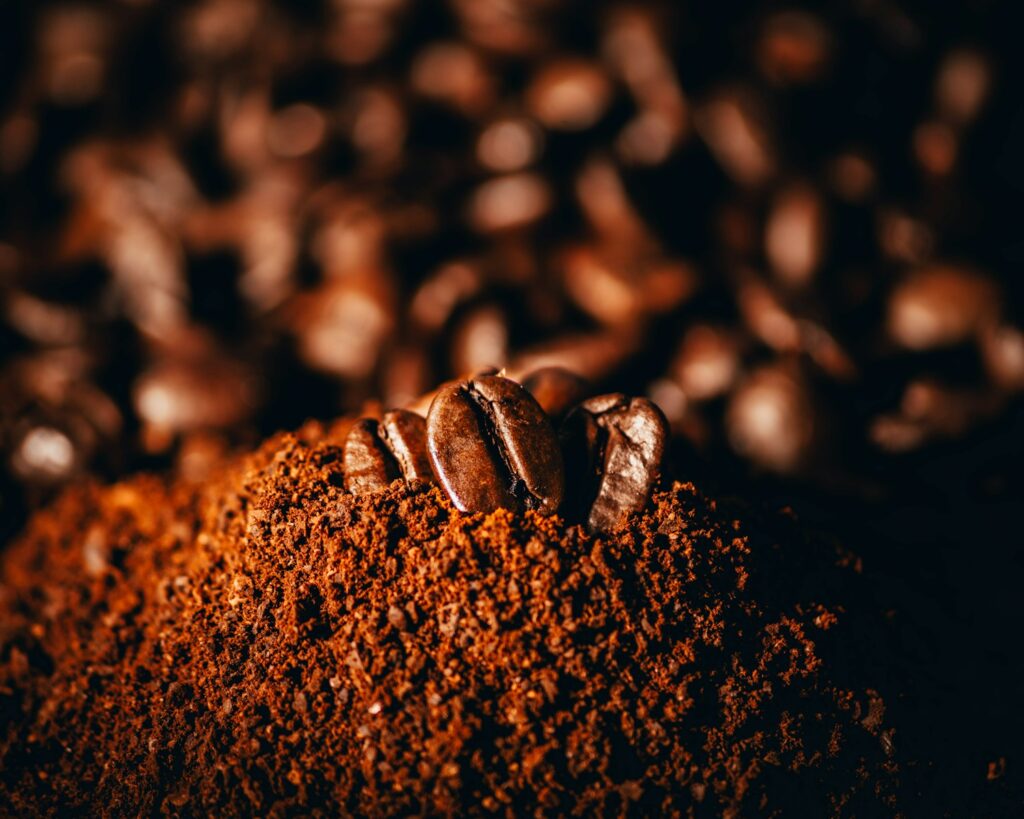
Used coffee grounds can help protect your bulbs thanks to their strong scent. Squirrels usually avoid areas with this smell.
Sprinkle coffee grounds around your bulbs in a thin layer. They also add nutrients to your soil, which is a bonus for your plants.
You can combine this with other methods for even better results. It’s an easy, eco-friendly way to deter squirrels.
Plant daffodils or alliums which squirrels naturally avoid
Daffodils are a great choice for keeping squirrels away. Their bitter taste and natural chemicals make them unappealing to these critters.
Alliums, part of the onion family, have a strong scent that squirrels dislike. Planting them around your bulbs creates a natural barrier.
Mixing these plants into your garden adds color and helps protect your bulbs. Both grow well alongside other winter bulbs.
Cover newly planted bulbs with mulch to camouflage them
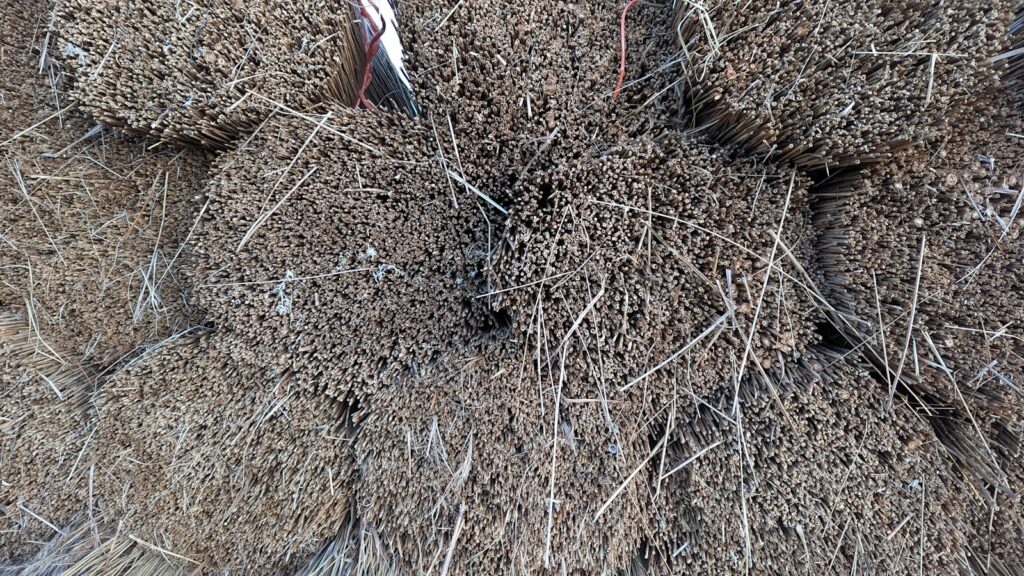
Covering bulbs with mulch right after planting helps hide them from squirrels. The mulch disguises the freshly turned soil.
Leaves, straw, or shredded bark all work well as mulch. Spread enough to cover the soil, but not so much that it traps too much moisture.
Mulch also helps your bulbs by keeping the soil cool and moist. Your garden gets a neat look and your bulbs stay safe.
Use a long-handled bulb planter for uniform depth and less disturbance
A long-handled bulb planter makes planting easier and keeps your holes uniform. This means you can plant at the right depth every time.
Less soil disturbance means fewer clues for squirrels to find your bulbs. It’s also easier on your back and knees when planting many bulbs.
The tool helps you keep your garden tidy and your bulbs well protected.
Scatter crushed eggshells around bulbs as an unpleasant texture barrier
Crushed eggshells are another simple way to keep squirrels away. The sharp edges make the ground uncomfortable for digging.
Just crush up clean eggshells and spread them around your bulbs. This barrier is safe for your garden and doesn’t harm wildlife.
Eggshells also add calcium to your soil, giving your plants a little boost.
Place ornamental carrots or other distracting plants on top of bulbs
Planting ornamental carrots or other distracting plants above your bulbs can fool squirrels. These plants draw attention away from what’s buried below.
The strong scent and texture of ornamental carrots make squirrels less likely to dig. Other tough, leafy plants can work too.
This method keeps your garden looking full and healthy while protecting your bulbs.
Understanding Squirrel Behavior

Squirrels are clever and always on the lookout for food, especially when the weather turns cold. They dig in gardens searching for anything edible, including your freshly planted bulbs.
Knowing what attracts squirrels can help you outsmart them. Their habits change with the seasons, so timing your defenses is important.
Why Squirrels Target Winter Bulbs
Winter bulbs are packed with nutrients like starches, making them a valuable food source for squirrels. When other food is scarce, bulbs become even more tempting.
Squirrels use their digging instincts to find and sometimes store food underground. This makes your garden a prime target during colder months.
They don’t just eat bulbs, they can damage roots and nearby plants while searching for snacks. That’s why it’s important to protect your bulbs before winter sets in.
Seasonal Squirrel Activity Patterns
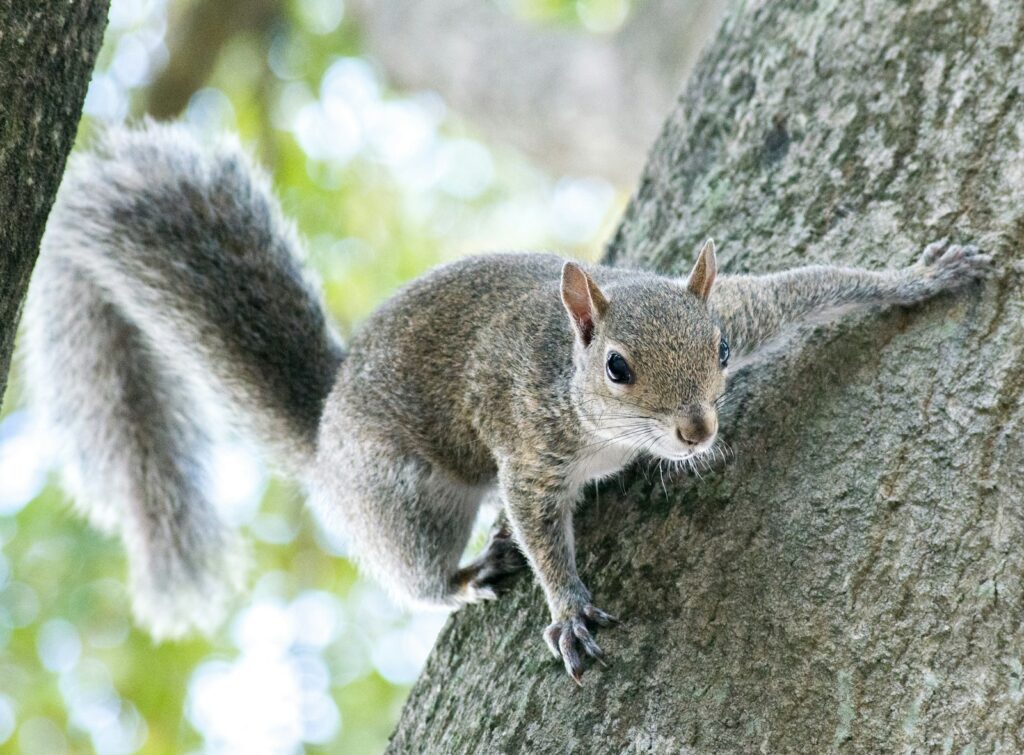
Squirrel activity in your garden peaks during fall and early winter. This is when they’re busiest gathering and storing food.
During spring and summer, squirrels focus more on fruits and insects. As the weather cools, their digging increases as they prepare for winter.
Protecting your bulbs is most important from late fall through early winter. Timing your efforts can make a big difference.
Designing a Squirrel-Resistant Garden
Making your garden less inviting to squirrels can go a long way in protecting your bulbs. Simple changes and barriers can help keep these curious creatures out.
Physical Barriers That Deter Squirrels
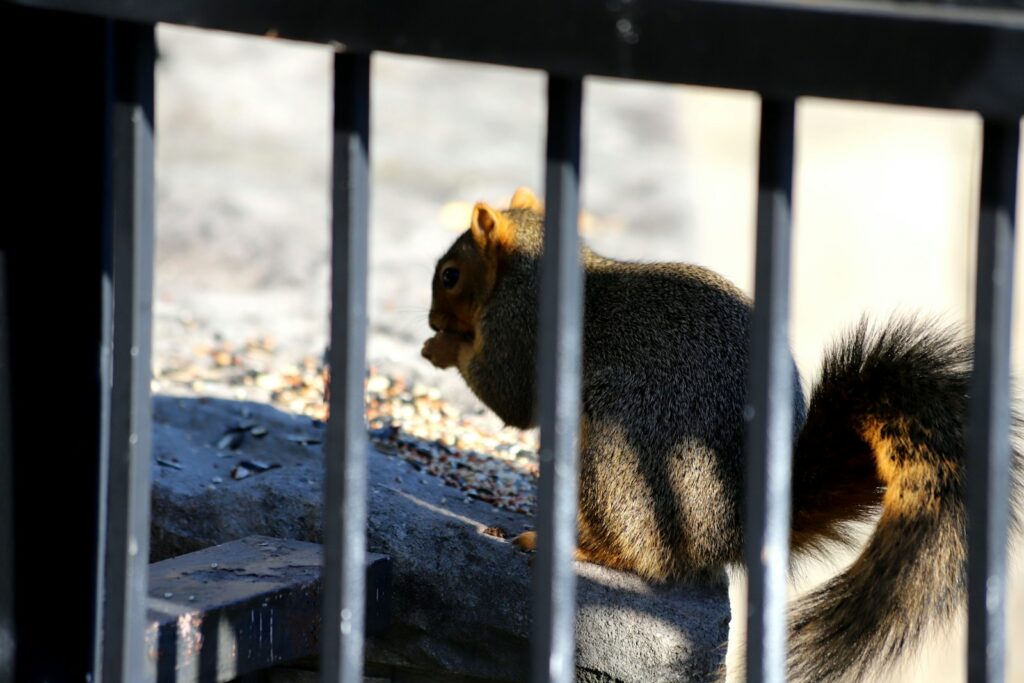
Physical barriers are one of the most effective ways to stop squirrels. Wire mesh or hardware cloth with small holes can be placed over your bulb beds to block digging.
Garden cloches or cages work well for individual plants. Clear cages let in sun and water but keep squirrels away.
For raised beds, bamboo stakes and netting create a quick and sturdy barrier. Make sure your barriers cover the entire area and check for gaps regularly.
With these strategies, you can enjoy a colorful garden without the frustration of missing bulbs.
Creating Distracting Wildlife Habitats
Ever plant bulbs in your garden only to find squirrels digging them up? It can feel like a never-ending battle.
One way to keep your bulbs safe is by giving squirrels other places to explore and foods to find. Planting squirrel-friendly shrubs and trees nearby can help with this.
Trees such as oak or pine offer nuts and seeds that squirrels love. This can encourage them to spend their time away from your bulbs.
Try setting up a squirrel feeding station with sunflower seeds or corn in a spot far from your garden beds. Squirrels are likely to be drawn to these treats instead.
You might also want to grow plants with strong smells that squirrels dislike, such as mint or daffodils, around your bulb areas. These plants act as natural repellents without harming any animals.