How to Plan Next Year’s Garden While It’s Still Cold Out
Staring out the window at a frosty yard might not scream “garden planning,” but winter is actually the perfect time to dream up your next growing season. With the garden resting, you finally have space to think, reflect, and get creative.
You can use this downtime to look back on what worked and what didn’t. Taking notes now makes spring less stressful and helps you feel prepared when it’s time to dig in.
Assess last year’s garden successes and failures
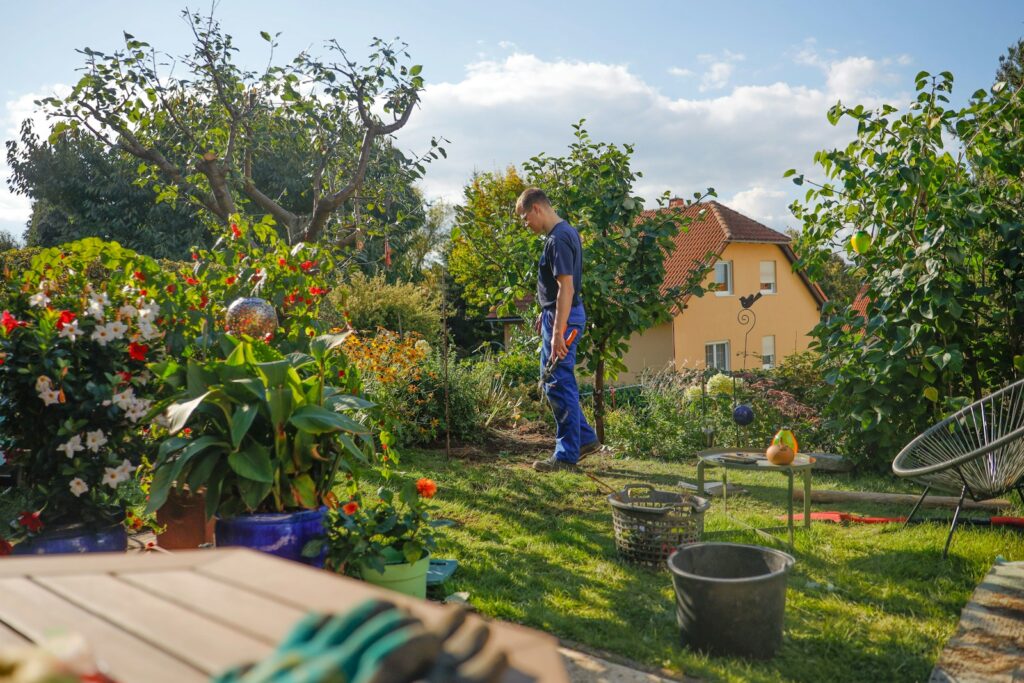
Look back at last year’s garden and think about what really thrived. Maybe your tomatoes went wild or your herbs kept coming back.
Be honest about what didn’t work too. If pests were a problem or something didn’t grow as expected, jot it down.
If you kept notes or a garden journal, now’s the time to review them. Patterns from past years can help you avoid repeating the same mistakes.
Check in on your soil and watering habits. If anything seemed off, plan to test your soil and tweak your care routine for next season.
Take detailed notes on plant performance
Winter is a great opportunity to remember which plants were stars and which flopped. Write down what you want to grow again and what you might skip.
If you noticed pests or diseases, make a note of them. Planning ahead means fewer surprises next year.
Think about how much sunlight each part of your garden got. Some spots might be shadier than you realized.
Jot down how the soil felt and how much water each plant needed. These details help you tailor your care next season.
Keeping all your notes in one place, like a garden planner, will save you time when spring arrives.
Draw a garden layout considering sunlight and space
Watch how the sun moves across your yard on winter days. Some spots are always sunny, while others stay in the shade.
Measure your garden space and sketch it out on paper or in an app. Mark where paths, trees, and other features are.
Think about how much room each plant needs. Giving plants enough space makes them easier to care for and healthier overall.
Arrange taller plants so they don’t block sunlight from shorter ones. This helps everything grow strong.
Plan out different areas for veggies, flowers, or even a place to sit and relax. A little planning now means a smoother season later.
Choose cold-hardy plants suited for your zone
Find out your USDA Hardiness Zone by searching with your zip code. This helps you pick plants that survive your local winters.
Look for varieties that can handle cold snaps and shorter growing seasons. Greens like kale or spinach are good bets, and root veggies like carrots do well in chilly weather.
Consider picking plants that are a little tougher than your zone for extra insurance. Tools like cold frames or row covers can give you more options too.
Evergreens and perennials add year-round interest and need less winter care. A mix of these plants keeps your garden looking good even in the off-season.
Plan crop rotation to maintain soil health
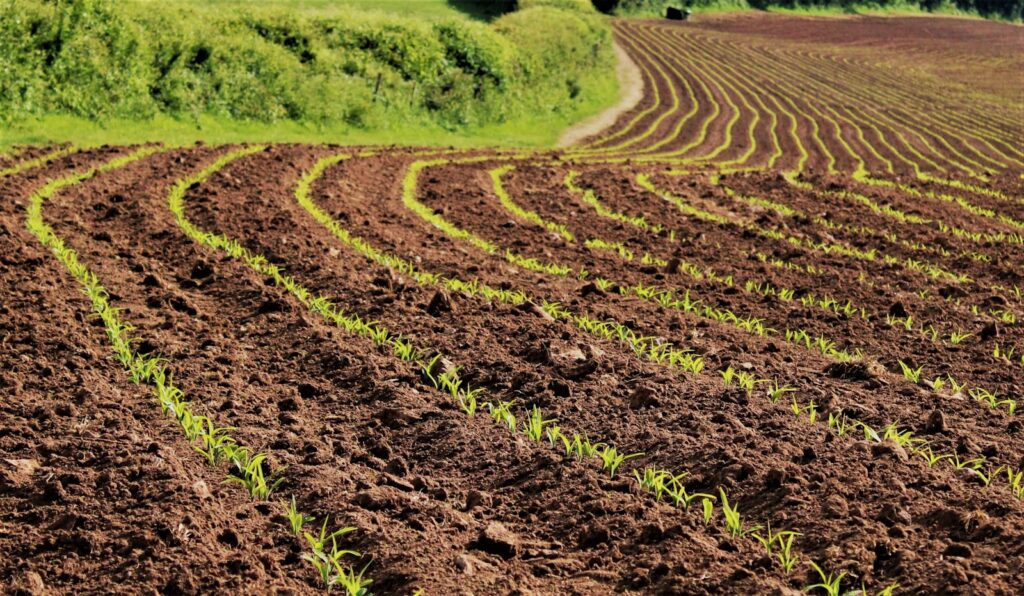
Rotating crops keeps your soil healthy and helps prevent pests and diseases. Changing what you plant in each area means nutrients don’t get used up as quickly.
Group plants by how much they use nutrients. For example, follow tomatoes with peas to give the soil a break.
Different plant roots reach different depths, which naturally improves soil structure. This makes it easier for new plants to take off.
Write down your rotation plan so you can keep track from year to year. Even a simple plan helps protect your garden for seasons to come.
Start ordering seeds early for desired varieties
Ordering seeds before spring rush means you get your top picks. Popular and rare varieties can sell out fast.
Buying early also helps you avoid shortages and lets you choose from the widest selection. You can read up on each plant and figure out where it fits in your garden.
Only order what you have space for. Too many seeds can lead to wasted plants and extra costs.
A little planning now means you’ll have everything you need when it’s time to start planting.
Design protective structures like cold frames
Thinking about cold frames now can make a big difference later. These simple, clear-topped boxes keep plants warm and safe from frost.
Cold frames help you start seeds earlier in spring and keep growing later into fall. They act like mini greenhouses for your garden beds.
You can build a cold frame with wood and clear plastic or glass. Place them where your most tender plants need protection.
Even in cold weather, some vegetables and flowers will keep going strong with a little extra shelter.
Prepare soil amendments for spring nutrient boost
Start collecting compost, manure, or peat moss during the winter months. These materials add nutrients and improve your soil’s structure.
Testing your soil now helps you know which amendments to use. Adjusting pH or nutrient levels before spring gives your plants a head start.
Adding organic matter in fall or winter gives it time to break down. If you missed that window, early spring still works before planting.
Mulching after amending keeps nutrients in place. Cover crops can also help add nutrients and keep weeds down while your garden rests.
Map out watering and irrigation systems
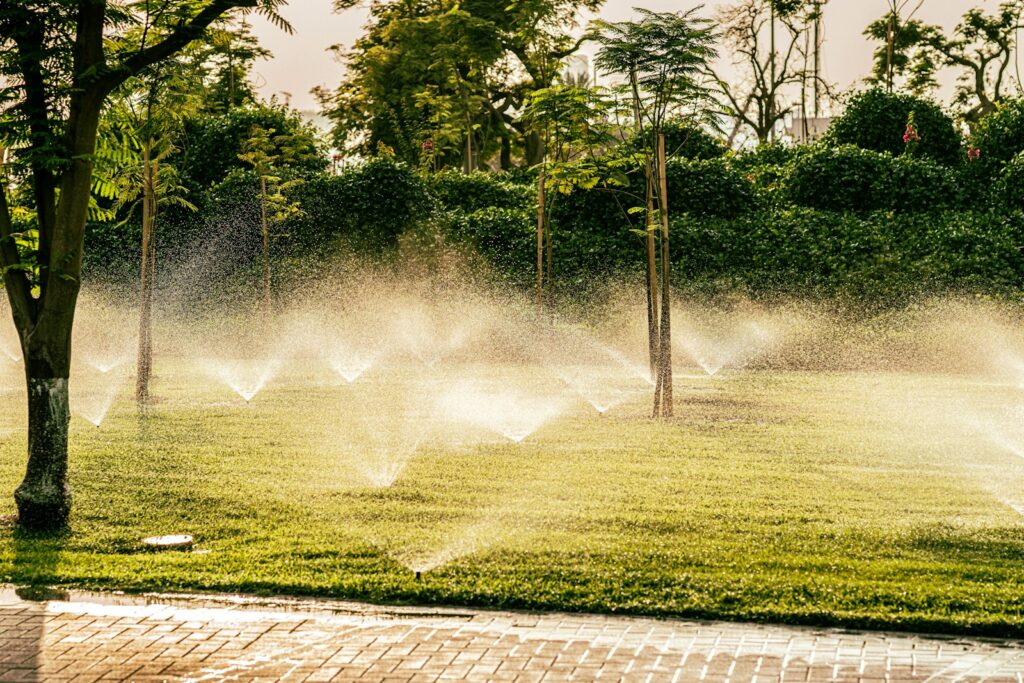
Sketch a simple map of your garden, showing where plants and water sources are. This helps you plan efficient watering zones.
Some plants need more water than others, so grouping them by need saves time and resources. Drip lines, sprinklers, or soaker hoses each have their strengths.
Plan your system so every area gets enough water, but not too much. Label where pipes and valves will go to make setup and repairs easier.
If you already have an irrigation system, turn it on zone by zone and note what works. This way, you can fix any issues before the season starts.
Plan locations for compost and mulch areas
Choose a compost spot that’s easy to reach but not too close to your house. Being able to add scraps without a long walk is a real bonus.
Pick a place with some sunlight to help compost break down, but avoid spots that dry out too fast.
For mulch, find a dry, shady place to store it. Keeping it covered with a tarp helps prevent it from getting soggy.
Good airflow keeps compost healthy and prevents bad smells. Keeping these areas tidy helps keep pests away.
Planning your compost and mulch spots now makes it easier to care for your soil and plants all year.
Timing Your Garden Planning
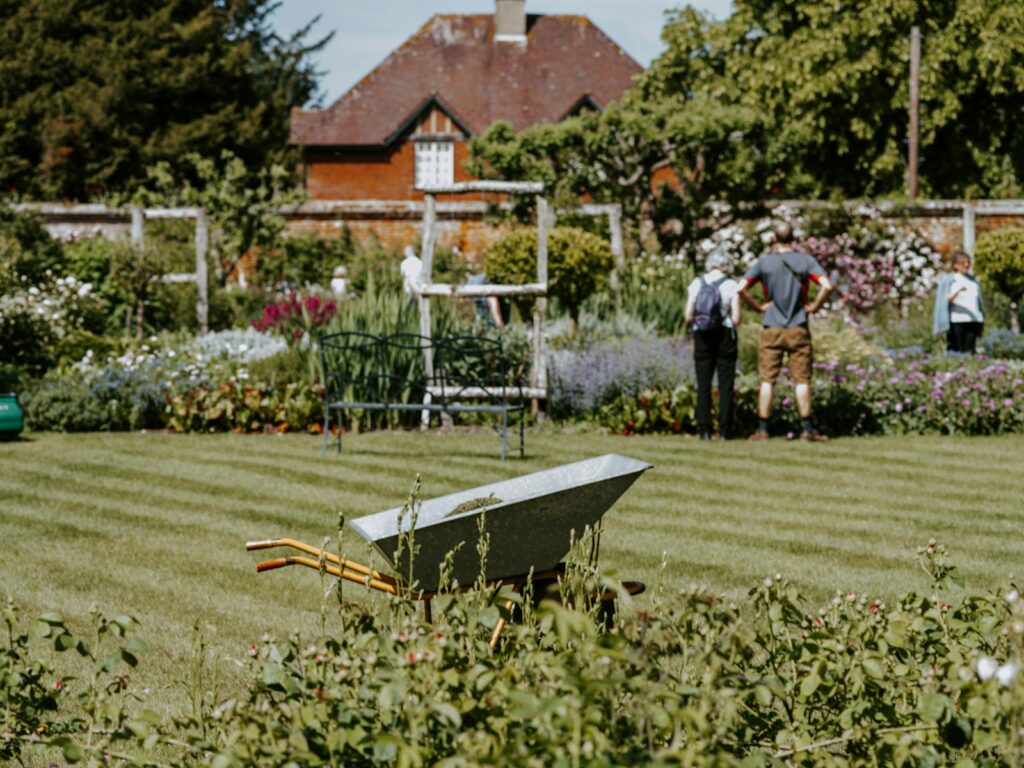
Getting the timing right for your garden plans can make a big difference. The colder months are ideal for thinking ahead and getting organized.
Choosing the Right Month to Start
Start planning your garden in late winter or early spring. This gives you plenty of time to order seeds and set up your calendar.
Many people find January or February works well because it’s before the last frost. Planning early means you can start seeds indoors if needed.
Mark important dates on your calendar, like when to start seeds and when to transplant. This keeps you on track and ready for the season.
Accounting for Your Local Climate
Your local climate has a big impact on when you should plant. Find your USDA Hardiness Zone or check your area’s frost dates.
Knowing these dates helps you avoid planting too early or too late. Cold-tolerant crops can go in sooner, while warm-season plants need to wait until after the last frost.
Check local gardening guides or websites for advice specific to your zone. Matching your planting times to your climate gives you the best chance for success.
Visualizing Your Garden Layout
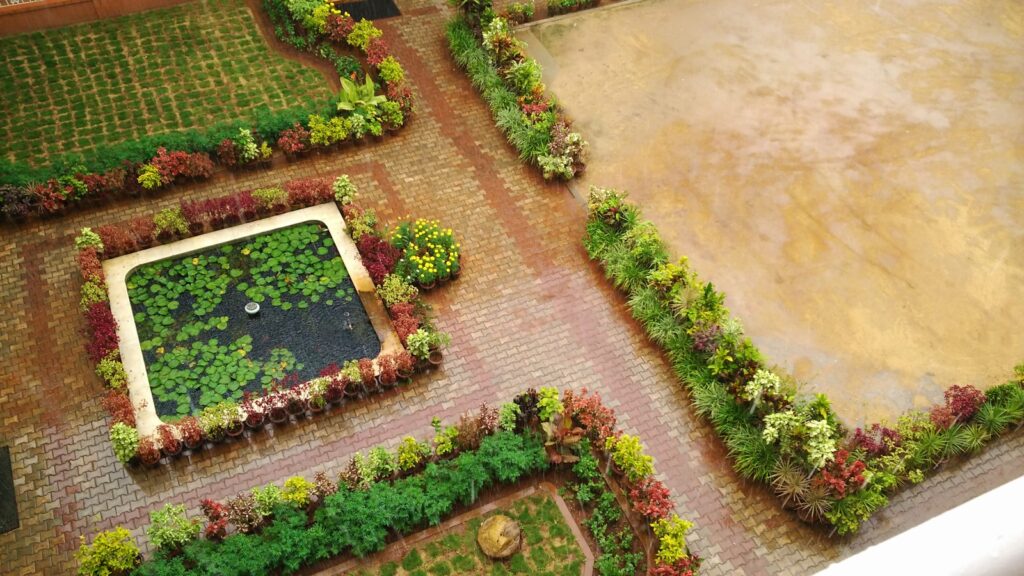
Drawing out your garden ideas can help you make the most of your space. Understanding how sunlight moves across your yard is key.
Mapping Sunlight and Shade
Watch how the sun hits different parts of your garden at various times of day. Take notes or use free online tools to track sunlight exposure.
Knowing which spots are sunny or shady helps you pick the right plants for each area. Tomatoes love full sun, while lettuce prefers some shade.
Mapping out these patterns now can save you trouble later and help your plants thrive.
Sketching Design Ideas

Grab some graph paper or open a garden planning app and start sketching out the shape of your garden. Mark out paths, fences, and any trees that are already in place.
Move plant beds around in your sketch to see what works best. This helps you figure out how much space each plant needs and how everything fits together.
Use different symbols or colors to show where you want vegetables, flowers, or herbs to go. Keep a list next to your sketch with notes about plant care and spacing.
If you like using technology, digital garden planners make it easy to adjust your design and save your ideas for later. You can update your plan whenever inspiration strikes.