How to Prep Your Yard for a Bug-Free Summer and Enjoy Endless Outdoor Fun
Summer is here, and you want to make the most of your backyard. There’s nothing worse than planning a cookout or relaxing outside, only to be chased indoors by swarms of bugs.
A few smart tweaks can help you reclaim your space. With a little prep, you’ll get more outdoor time with fewer itchy bites and uninvited guests.
Remove standing water to eliminate mosquito breeding grounds
Start by checking your yard for spots where water collects. Mosquitoes lay eggs in even tiny amounts of standing water, like a flowerpot saucer or a clogged gutter.
Empty or drain anything holding water around your home. Old tires, buckets, birdbaths, and plant saucers are common culprits.
If you spot puddles that won’t drain, use a shovel to create a small channel. This helps water flow away and stops mosquitoes from using it as a breeding spot.
Keep shaded areas clear of leaves or debris that can trap water. Mosquitoes prefer these damp spots for laying eggs.
Plant bug-repelling herbs like lavender and citronella
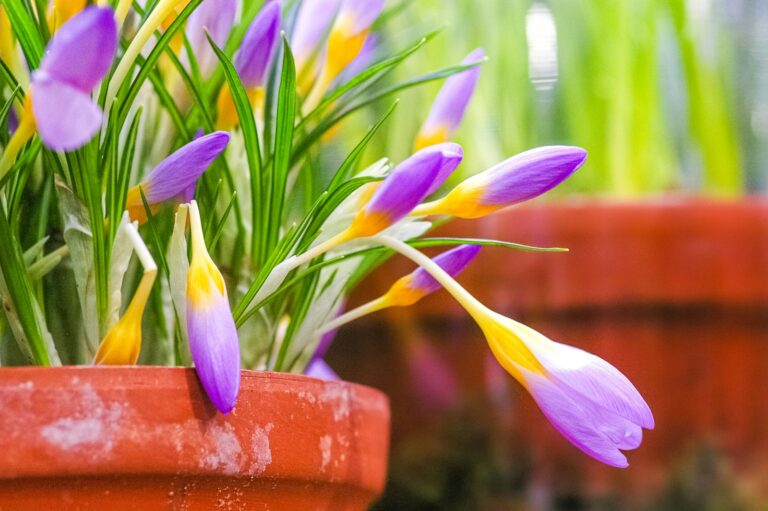
Add some bug-fighting power to your garden by planting herbs like lavender and citronella. Lavender’s sweet scent is pleasant for you but not for mosquitoes, moths, or flies.
Citronella’s lemony smell is a natural mosquito repellent. Plant it near patios or seating areas for extra protection.
Both herbs are easy to grow and love sunlight and well-drained soil. Lavender’s purple flowers add color, while citronella’s lush leaves create a green barrier.
Mixing these herbs in your garden not only helps with bugs but also makes your yard smell amazing.
Install yellow outdoor LED lights to reduce insect attraction
Switching to yellow outdoor LED lights can make evenings on the porch much more comfortable. These lights attract fewer bugs than white or blue bulbs.
Yellow LEDs give off a warm color that insects don’t like. Place them away from doorways and seating areas to keep bugs at a distance.
You can also mix yellow LEDs with string lights for a cozy, inviting look. These bulbs last longer and save energy, too.
Use diatomaceous earth around garden beds to deter pests
Protect your garden beds by sprinkling a thin layer of food-grade diatomaceous earth around plant bases. This natural powder makes your garden less appealing to ants, aphids, and slugs.
Diatomaceous earth is safe for plants and pets. Just remember to reapply after rain or heavy watering to keep the barrier strong.
It’s an easy, chemical-free way to cut down on pests and keep your plants healthy all summer.
Set up a bat house to encourage natural insect predators
Give bats a place to call home, and they’ll help you fight bugs for free. Bats eat hundreds of mosquitoes per hour, making them great natural pest controllers.
Install a bat house high up in a sunny spot, away from bright lights. Make sure it’s sturdy and has good ventilation.
Once bats move in, you’ll notice fewer insects buzzing around. Plus, you’re helping local wildlife thrive.
Apply neem oil as a natural insecticide for plants
Neem oil is a gentle, effective way to keep bugs off your plants. It works against aphids, spider mites, and whiteflies, and it’s safe for pets and people.
Mix neem oil with water and a little dish soap, then spray all parts of your plants. Be careful not to overdo it—follow the directions closely.
A light application every week or two keeps pests away and supports a healthy garden.
Maintain a well-mowed lawn to minimize tick habitat
Short grass is your friend when it comes to keeping ticks away. Mowing regularly lets in sunlight and dries out the ground, which ticks don’t like.
Tall grass gives ticks shady, moist places to hide. Keeping your lawn neat means fewer places for them to wait for people or pets.
A tidy lawn also makes it harder for ticks to lay eggs. Stay on top of mowing and enjoy more worry-free time outside.
Create a barrier with cedar mulch to repel ants and fleas
Cedar mulch is a natural way to keep ants and fleas out of your yard. The oils in cedar act as a barrier that pests dislike.
Spread a layer about 3 to 4 inches deep around garden beds, trees, and pet areas. The scent helps keep bugs away and makes your yard smell fresh.
Refresh the mulch each year to keep the protective oils strong. Your garden will look great and have fewer pests.
Deploy solar-powered bug zappers in gathering areas
Solar-powered bug zappers are a game-changer for outdoor hangouts. Place them where they’ll get sunlight during the day so they’re ready to work at night.
Keep zappers a little away from seating areas to draw bugs away from your guests. Shady spots near gathering areas work well, too.
No cords or plugs needed, so you can move them wherever you need. Enjoy your summer nights with fewer bugs in your way.
Seal cracks and gaps in outdoor structures to block entry
Take a walk around your yard and check for cracks or gaps in walls, siding, windows, and doors. Even tiny holes can let bugs sneak in.
Seal these spots with exterior caulk or expandable foam. Fix damaged siding or rotting wood quickly to keep pests out.
Plugging these gaps not only blocks bugs but also keeps your space cleaner and safer for everyone.
Understanding Common Summer Yard Pests
Ever wonder where all those bugs are coming from? Pests like mosquitoes, ants, and ticks each have their favorite hiding spots and times to be active.
Knowing their habits helps you spot and stop them early, so you can enjoy your yard more.
Identifying Bug Hotspots Around Your Property
Bugs love areas that offer food, shelter, or water. Standing water in birdbaths, clogged gutters, or plant saucers is a mosquito magnet.
Ants set up nests near wood piles, flowerbeds, or cracks in foundations. Ticks and fleas hide in shady spots under dense shrubs or tall grass.
Compost piles and mulch beds create moist environments for bugs. Targeting these spots can help you reduce pest numbers fast.
Seasonal Behaviors of Stubborn Bugs
Mosquitoes are busiest during warm months, especially after rain. They tend to bite at dawn and dusk.
Ants get active on hot days, often venturing inside for food. Ticks hang out on tall grass or bushes, waiting for a ride.
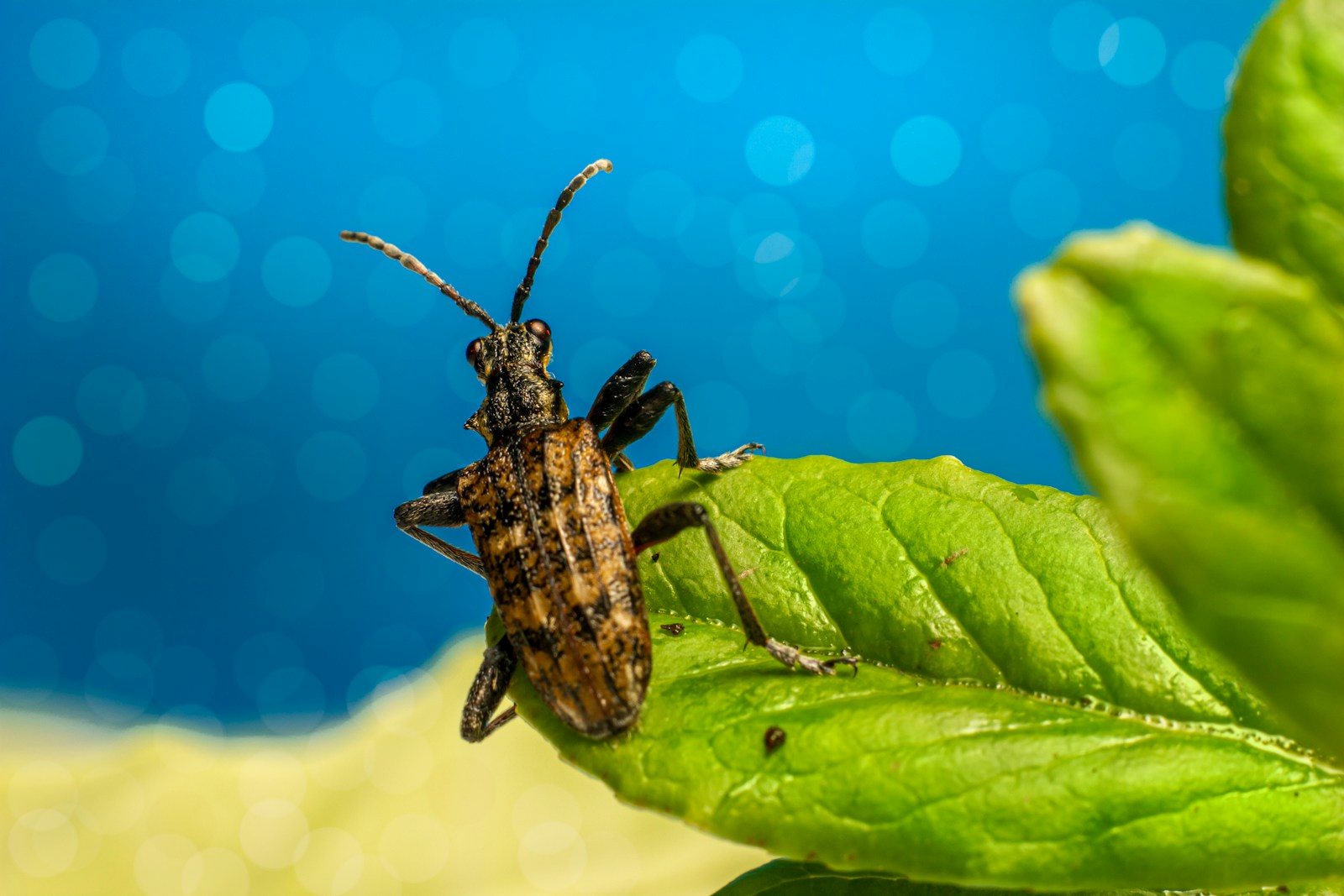
Some beetles and caterpillars show up in summer and can damage leaves. Watching for these patterns helps you take action at the right time.
Preventative Measures for a Bug-Free Oasis
Small changes in your yard can make a big difference in keeping bugs at bay. Focus on making your space less inviting to pests and limiting places they can breed.
Landscape Adjustments That Discourage Insects
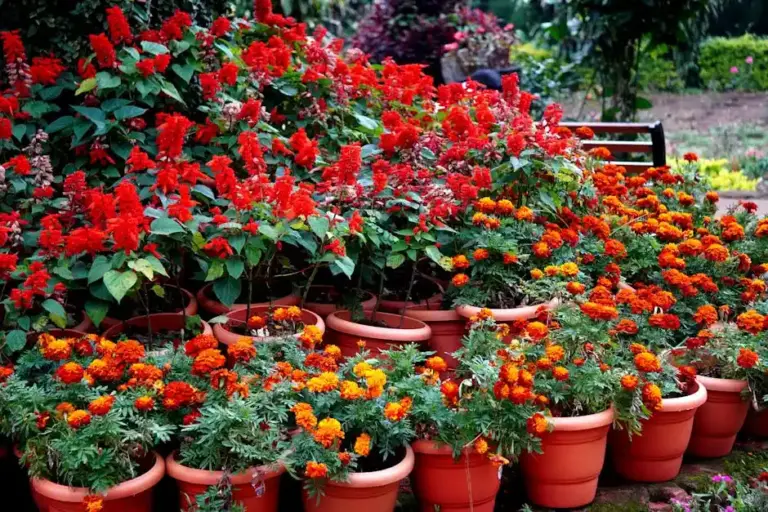
Try adding plants like lavender, marigolds, or citronella to your garden. These natural repellents help keep mosquitoes and flies away.
Trim tall grass and shrubs to remove hiding spots for ticks and other insects. Keep bushes away from your house to reduce pest access.
Opt for lighter colors on fences, decks, and patio furniture since bugs are drawn to dark shades. Adding mulch like cedar or pine can also help repel insects naturally.
Water Management Tips to Reduce Pest Breeding
Have you ever noticed how quickly mosquitoes seem to show up after it rains? Standing water is an open invitation for pests to move in.
Take a look around your yard and empty out containers like buckets, plant saucers, and birdbaths at least once a week. Even a small amount of water can attract bugs.
Check for leaks in outdoor faucets and clear any clogged gutters. These hidden spots can easily become breeding grounds.
For potted plants, try using a slow-draining soil mix to prevent too much moisture from building up. If you have a pond, adding a fountain or something to keep the water moving helps stop mosquito larvae from taking over.