How to Recover from Local Disasters in Your Garden
As news of local disasters spreads, such as the recent explosion and fire in Bell Gardens that damaged an apartment building, many of us are reminded of the importance of community and resilience. While these events can leave lasting impacts, they also serve as a reminder to prepare and protect our homes and gardens. Here, we’ll explore how to safeguard your garden, care for plants after a disaster, and help your community recover.
Understanding the Impact of Disasters on Gardens
Natural and man-made disasters can significantly affect our green spaces. Fires, floods, and explosions can destroy plants, damage soil, and disrupt the ecosystem. Understanding your garden’s vulnerability is the first step toward effective preparation.
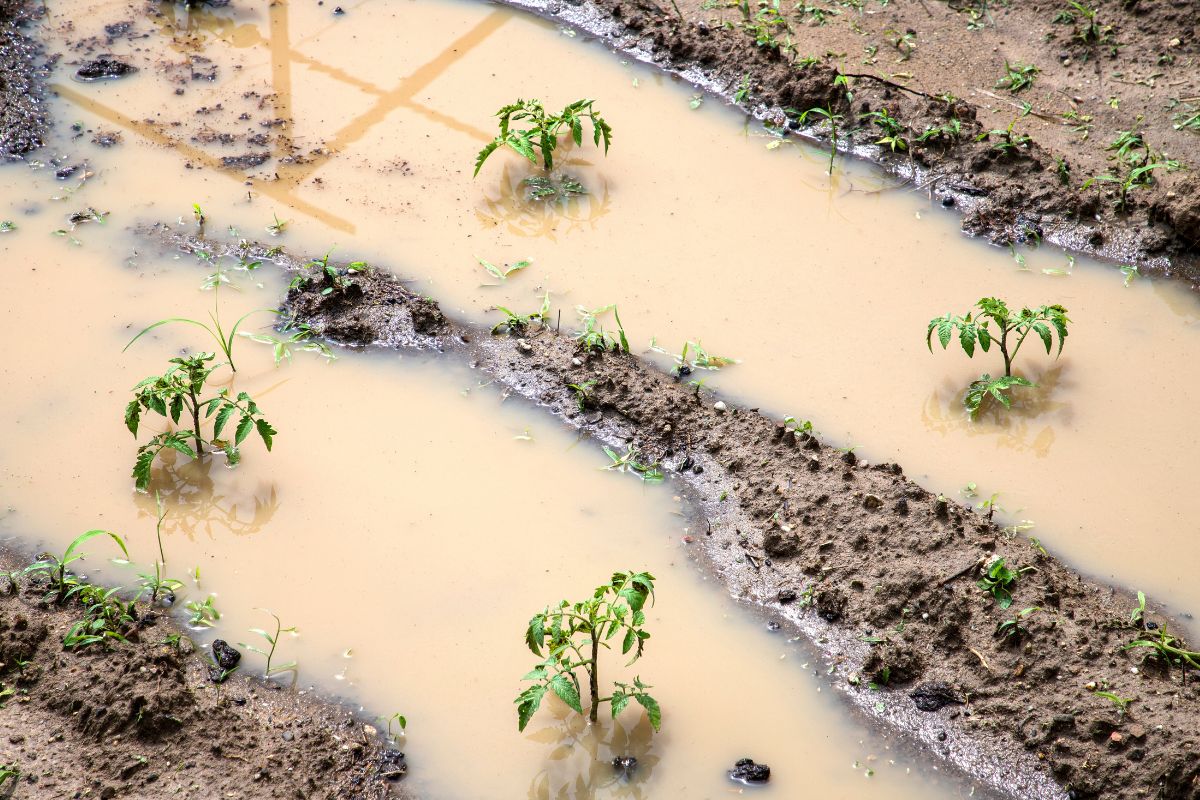
1. Assessing Damage: After a disaster, assess your garden for visible damage. Look for charred plants, soil erosion, or waterlogged areas. The extent of damage will guide your recovery efforts.
2. Soil Health: Disasters can alter soil structure and nutrient levels. Check for signs of compaction or contamination. You might need to test your soil to determine its health before replanting.
3. Plant Recovery: Some plants may bounce back after a disaster while others may need more assistance. For example, perennials and hardy shrubs may survive even after being scorched. Cut back dead or damaged parts, and give them time to recover.
Preparing Your Garden for Future Disasters
While it’s impossible to prevent disasters, you can take steps to minimize their impact on your garden:
1. Choose Resilient Plants: Opt for native plants that are adapted to your local climate and conditions (check your USDA hardiness zone). These plants often have better survival rates during adverse conditions.
2. Create Firebreaks: If you live in an area prone to wildfires, consider creating firebreaks by clearing flammable materials from your garden. Use gravel paths or non-flammable plants as barriers.
3. Install Efficient Drainage: In flood-prone areas, ensure that your garden has proper drainage systems to prevent water from pooling around your plants. Raised beds can also help improve drainage.
4. Gather Emergency Supplies: Keep a kit of essential gardening supplies ready, including gloves, pruning shears, soil amendments, and a first-aid kit. This will allow you to respond quickly to any damage.
5. Community Preparedness: Engage with local gardening groups or community organizations to discuss disaster preparedness. Sharing knowledge and resources can strengthen community resilience.
Caring for Your Garden Post-Disaster
Once the immediate aftermath of a disaster has passed, focus on recovery and rehabilitation:
1. Clean Up Debris: Remove any debris from your garden, taking care to dispose of hazardous materials safely. This includes broken glass, charred plants, and any chemical containers.
2. Replant Strategically: After assessing the damage, decide which plants to keep and which to replace. When replanting, consider spacing and orientation to ensure that new plants have ample access to sunlight and moisture.
3. Soil Amendments: If your soil has been compromised, amend it with organic matter such as compost to restore nutrients. This will help improve soil structure and promote healthy plant growth.
4. Water Wisely: Be cautious with your watering practices. Newly planted or recovering plants may need more frequent waterings, but be careful not to overwater, especially if soil drainage is poor.
5. Monitor for Pests and Diseases: After a disaster, plants can be stressed, making them more vulnerable to pests and diseases. Regularly inspect your plants and take immediate action if you notice any issues.
Building a Support Network
Recovering from a disaster, whether natural or man-made, can feel overwhelming. Building a support network can provide emotional comfort and practical assistance:
1. Local Gardening Clubs: Join local gardening clubs where you can share experiences and receive advice from fellow gardeners. Engaging with others can provide valuable insights and camaraderie.
2. Volunteer Programs: Participate in community gardening and restoration projects. Helping others in need can be a healing experience and can strengthen community ties.
3. Online Resources: Utilize online forums and social media groups focused on gardening. These platforms can offer a wealth of information and a sense of community, especially during recovery.
4. Local Extension Services: Reach out to local agricultural extension services for guidance on soil testing, pest control, and plant selection. These resources can provide tailored advice based on your region’s conditions.
In Conclusion
Disasters can shake our communities and gardens, but they also present an opportunity for growth and resilience. By taking proactive steps to prepare and recover, we can ensure that our gardens not only survive but thrive in the face of adversity. Remember, the strength of a community lies in its ability to support one another, and together, we can rebuild and renew our green spaces.