How to Revive Your Houseplants Struggling by Winter Windows: Essential Tips for Thriving Indoor Greens
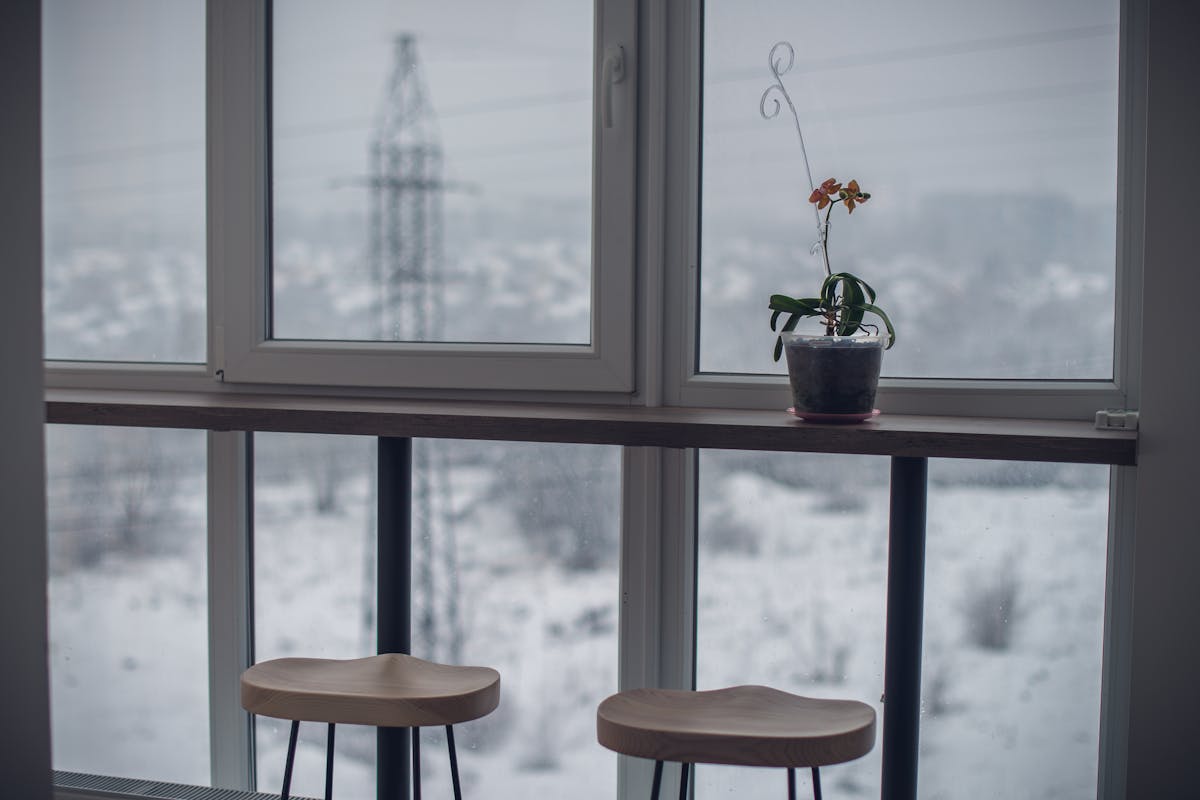
As the winter chill sets in and daylight hours shorten, many houseplant enthusiasts notice their beloved plants struggling in the winter window. While the sunny spot next to the glass may seem like the ideal location for your green friends, it can actually pose unique challenges that hinder their growth. Understanding these challenges and learning how to create a favorable environment can help your houseplants not only survive but thrive during the colder months. Here’s what you need to know.
The Winter Window Dilemma
During winter, windows can create a stark contrast between the warmth of your home and the cold outside. This temperature fluctuation can lead to a variety of issues for houseplants, including:
Drafts: Cold air seeping in from poorly insulated windows can chill plants, leading to stress.
Low Humidity: Heater use in winter often dries out indoor air, which can affect plants that thrive in humid conditions.
Insufficient Light: Shorter days and cloudy weather can limit the amount of light that reaches your plants, which is crucial for their photosynthesis.
Common Signs of Stress
Before diving into solutions, it’s essential to recognize the signs that your houseplants are struggling. They might exhibit:
Yellowing Leaves: Often a sign of overwatering or nutrient deficiency, but can also indicate insufficient light.
Leaf Drop: A direct response to stress, often due to temperature changes or low humidity.
Stunted Growth: If your plant isn’t growing despite regular care, it may not be receiving enough light or may be stressed.
Tips for Thriving Houseplants in Winter
To help your indoor plants flourish despite the challenges of winter, consider the following strategies:
1. Optimize Light Conditions
Even though your plants may be situated by the window, they might not be getting enough light.
Assess the Light: Depending on the type of plant, you may need to adjust its location. Move plants that require bright light closer to south-facing windows, and those that prefer low light can be placed in east or west-facing windows.
Supplement with Grow Lights: If natural light is insufficient, consider using LED grow lights to provide the necessary spectrum of light. A few hours of artificial light each day can help maintain healthy growth.
2. Regulate Temperature
Creating a stable temperature environment is crucial for your plants’ well-being.
Avoid Drafts: Ensure your plants are not exposed to cold drafts from windows. If necessary, move them further from the window or use thermal curtains to minimize cold air exposure during the night.
Maintain Room Temperature: Most houseplants prefer temperatures between 60°F to 75°F. Keep your plants away from heaters or air conditioning vents that could create hot or cold spots.
3. Manage Humidity Levels
Most houseplants thrive in humidity levels between 40% to 60%. Here’s how to boost humidity:
Use a Humidifier: Adding a humidifier to the room can significantly increase humidity, especially in dry winter months.
Group Plants Together: Placing plants close to each other can create a microenvironment with increased humidity.
Pebble Trays: Setting pots on trays filled with pebbles and water can also enhance humidity around the plants. Just ensure the pot doesn’t sit directly in the water, as this can lead to root rot.
4. Adjust Watering Practices
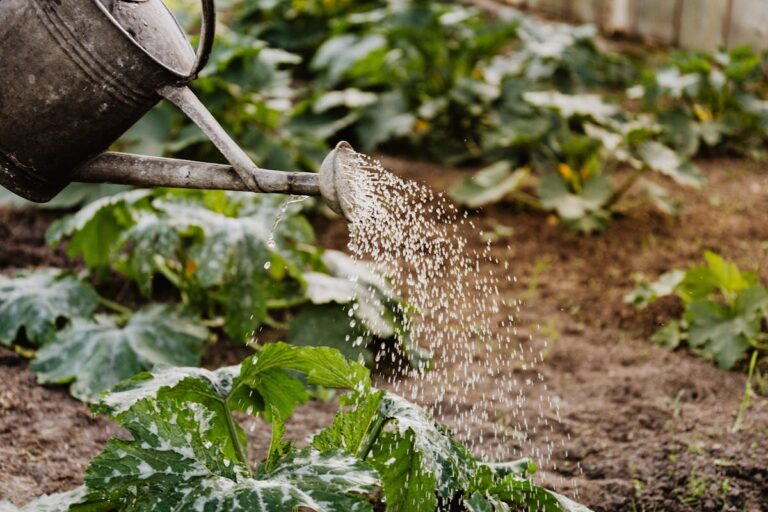
Watering needs can change dramatically in winter, so it’s essential to adjust your routine.
Check Soil Moisture: Always check the top inch of soil before watering. If it’s dry, it’s time to water; if it’s still moist, wait a few days.
Reduce Watering Frequency: Many houseplants need less water during winter months due to slower growth. Overwatering can lead to root rot and other issues.
5. Fertilize Wisely
While it’s generally not necessary to fertilize during the winter months, if your plants are actively growing, a light feeding can be beneficial.
Use a Balanced Fertilizer: If you notice continued growth, a diluted, balanced fertilizer can be applied monthly to provide essential nutrients. Be cautious not to over-fertilize, as this can harm your plants.
Monitor and Adjust
Regularly observe your plants for any changes in their health. If you notice signs of stress or decline, be prepared to adjust your care regimen.
Keep a Gardening Journal: Documenting the conditions and changes in your plants can help identify what works and what doesn’t. This can be a valuable resource for future winters.
Conclusion
Winter doesn’t have to spell doom for your houseplants. By understanding their needs and adjusting their environment accordingly, you can help them thrive even in the coldest months. With a little effort and attention, your indoor garden can remain lush and vibrant, providing joy throughout the winter season. Happy gardening!