How to Store Garden Tools Properly So They Don’t Rust Over Winter To Keep Your Gear Sharp and Ready!
Gardeners know the challenge: winter rolls in, and suddenly your trusty tools are at risk of rust and damage. The cold, wet months can be brutal if you don’t take a few steps to protect your gear.
A little preparation now means your tools will be ready to go when those first warm days arrive. It also saves you money and hassle in the long run.
Clean tools thoroughly with a stiff brush to remove all dirt and plant material
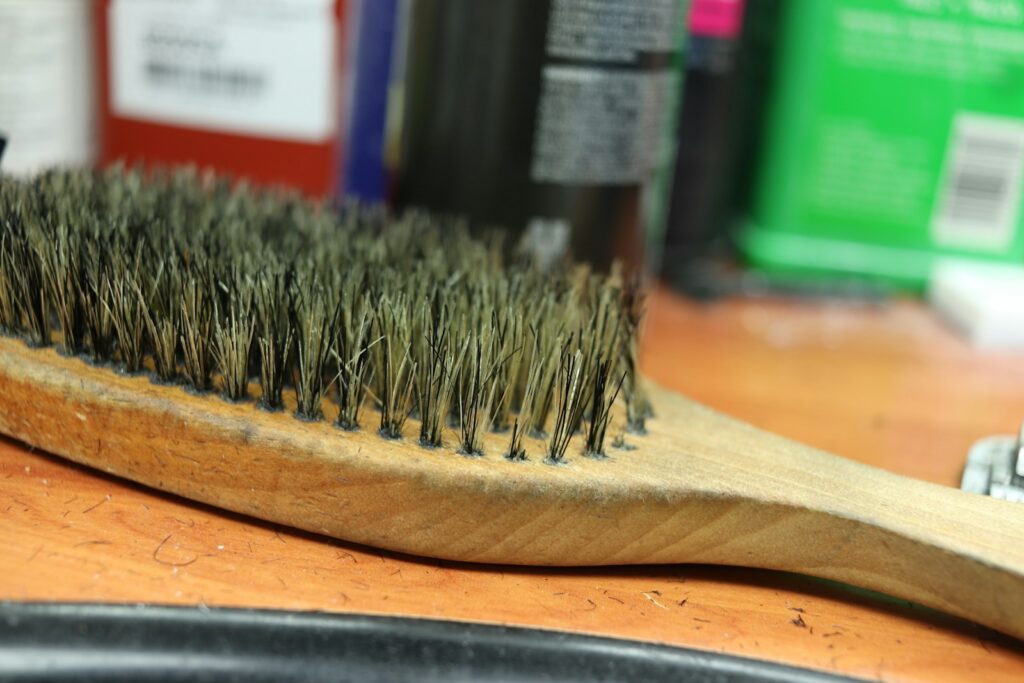
After a busy season, garden tools can get caked with dirt and plant debris. Using a stiff brush helps remove soil, dried mud, and bits of leaves from blades and handles.
If you find stubborn dirt, let the tools dry a bit first. Hardened soil brushes off more easily, and soaking tools in warm soapy water can loosen tough grime.
Getting rid of every bit of dirt is key. Leftover sap or soil holds moisture, which can lead to rust.
Cleaning also helps prevent bacteria and fungi from spreading to your plants next year. Grab your brush and give each tool a thorough scrub.
Wipe blades dry immediately after cleaning to prevent moisture buildup
Once your tools are clean, make sure to dry them completely. Moisture left on metal parts can cause rust, especially in winter.
Use a clean towel to wipe each blade, getting into corners and edges. Let your tools air dry for a few minutes to make sure there’s no hidden dampness.
If you want to go further, apply a thin layer of oil after drying. This extra step blocks moisture and keeps metal surfaces protected.
Apply a thin layer of mineral oil to metal parts to keep rust at bay

After cleaning and drying, rub a small amount of mineral oil onto all metal parts. This creates a barrier that keeps moisture out.
Mineral oil is easy to find and safe for your tools. It won’t make them sticky and helps keep them looking sharp.
Remember to store your oiled tools in a dry space for best results.
Sharpen blades before storage to ensure ready-to-use tools in spring
Before tucking your tools away, check the blades for nicks or dullness. Sharpening now means you won’t be frustrated by sluggish cuts next season.
Use a sharpening stone or file on each cutting edge. After sharpening, wipe the blades with a bit of oil for extra protection.
Sharp, clean blades make gardening easier and help your tools last longer.
Store tools hanging vertically in a dry, well-ventilated shed or garage
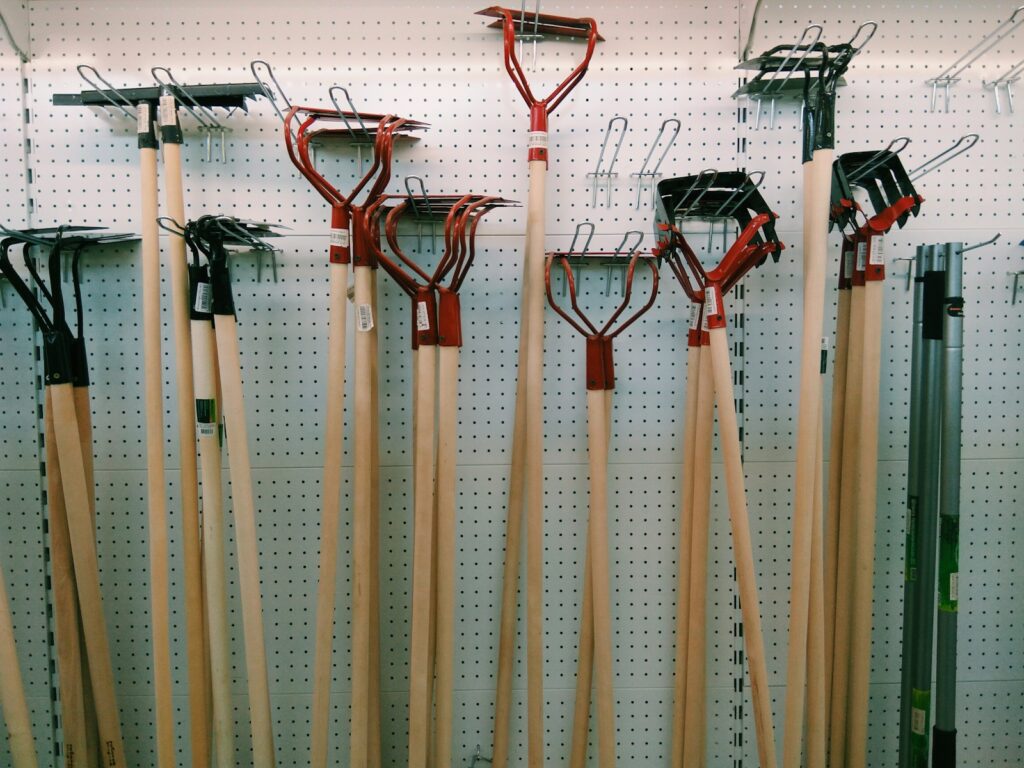
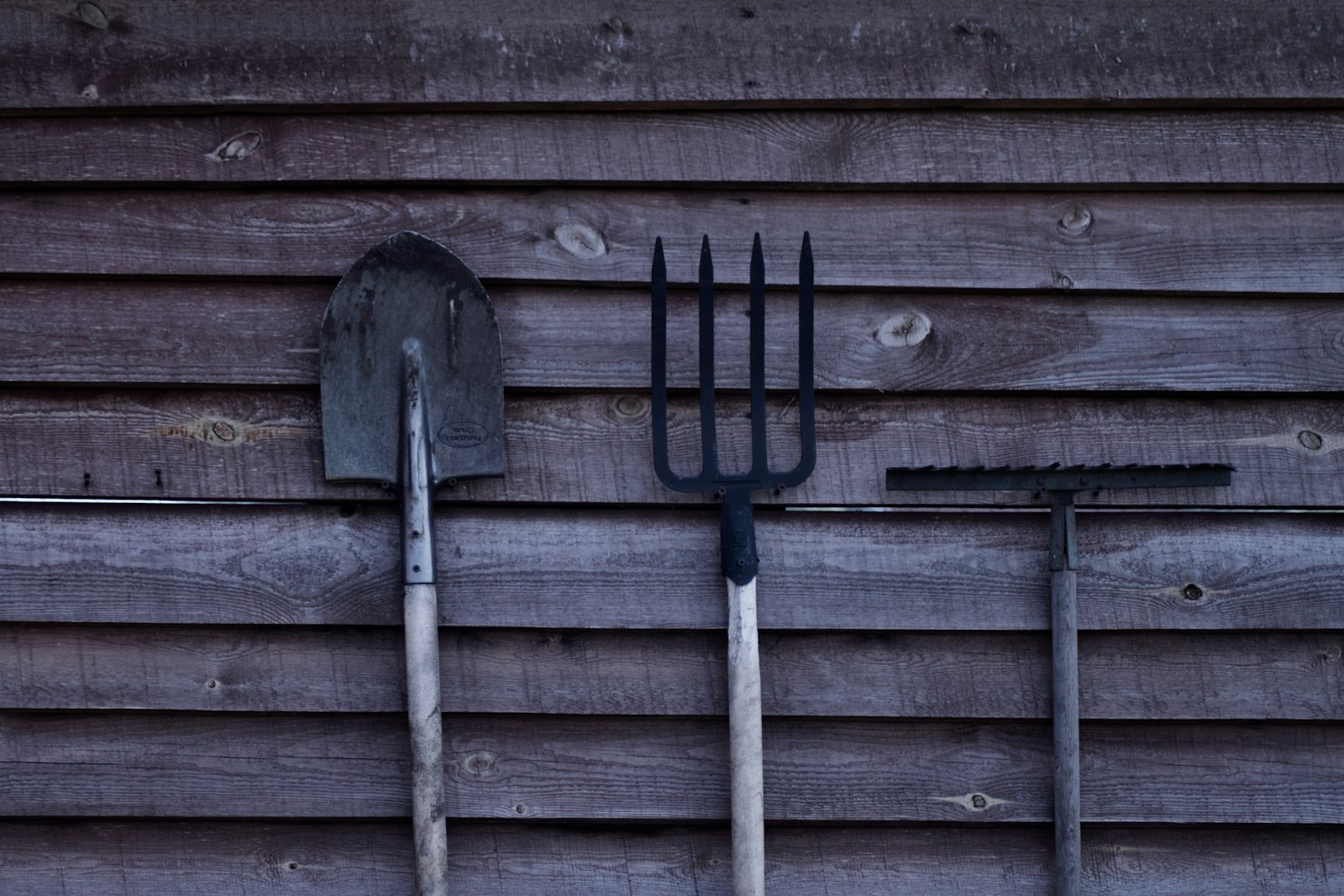
Hanging your tools vertically saves space and keeps blades from getting dull. Use hooks, racks, or pegboards to organize them by their handles.
Choose a dry, well-ventilated spot like a shed or garage. Good airflow helps tools dry quickly and prevents rust or wood damage.
Keeping tools off the floor also protects them from mud, water, and pests.
Use silica gel packs or rust inhibitors in your storage area for extra protection
Toss a few silica gel packs into your toolbox or storage bin. These little packets soak up moisture and help keep the air dry around your tools.
Rust inhibitors, like sprays or oils, add another layer of protection. A quick spray or wipe creates a moisture barrier on metal surfaces.
Combining silica gel packs with rust inhibitors gives your tools double defense against winter dampness.
Wrap wooden handles with linseed oil to prevent cracking and moisture damage
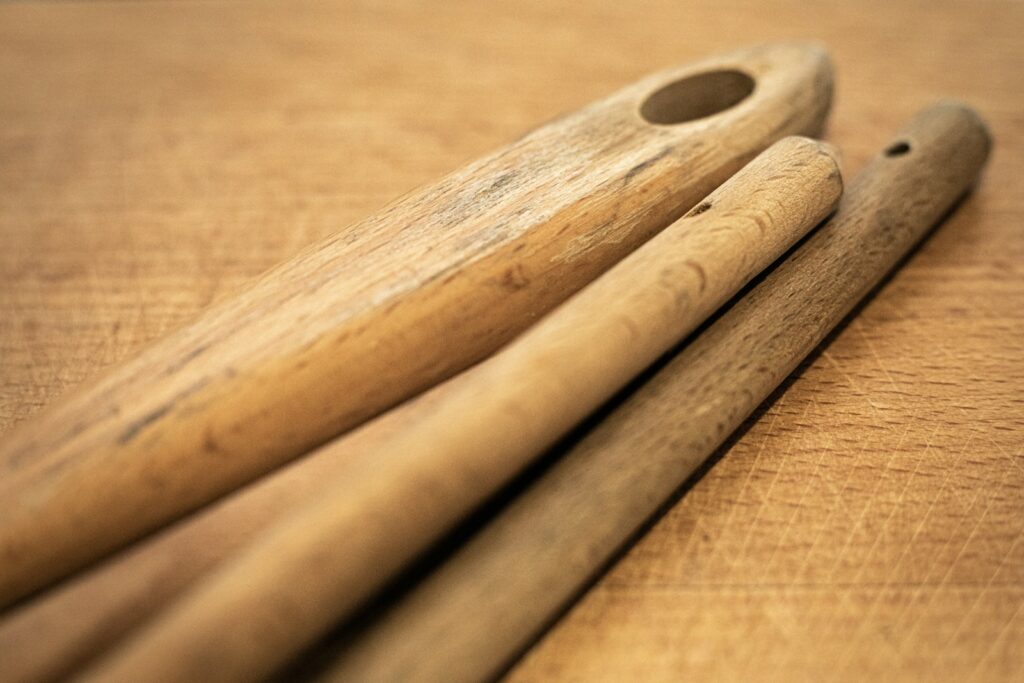
Wooden handles can dry out and crack over winter. Rubbing them with linseed oil helps keep the wood strong and smooth.
Linseed oil soaks in to create a waterproof layer. Boiled linseed oil dries faster and works well as a protective finish.
Apply the oil with a cloth and let it soak in for a few hours before storing your tools.
Avoid leaving tools outside or on damp ground during winter months
Leaving tools outside in winter leads to fast rust and damage. Moisture from rain, snow, or damp ground is tough on both metal and wood.
Instead, store your tools in a dry, sheltered spot like a shed, garage, or waterproof container. If you don’t have indoor space, hang them off the ground or use a raised rack.
Always clean and dry each tool before putting it away to prevent rust.
Organize smaller hand tools in a toolbox with individual compartments
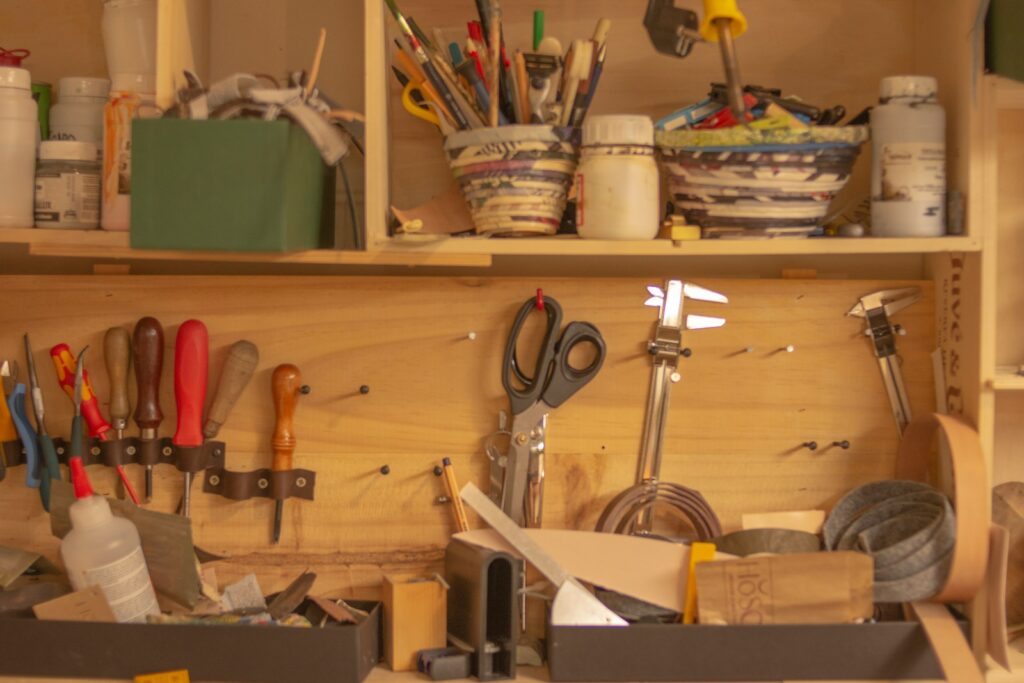
Small tools like pruners and trowels can get lost or damaged if they’re jumbled together. Use a toolbox with compartments to keep everything separated and easy to find.
Labeling the compartments makes it even simpler to grab what you need. Sturdy dividers also help prevent moisture buildup and rust.
A well-organized toolbox means less time searching and more time gardening.
Inspect and tighten all screws and bolts before putting tools away
Before you call it a day, check all the screws and bolts on your tools. Tighten any loose parts with a screwdriver or wrench.
Securing everything now keeps your tools safe and ready for use next season. It also helps prevent wear and breakage during storage.
Why Garden Tools Rust During Winter
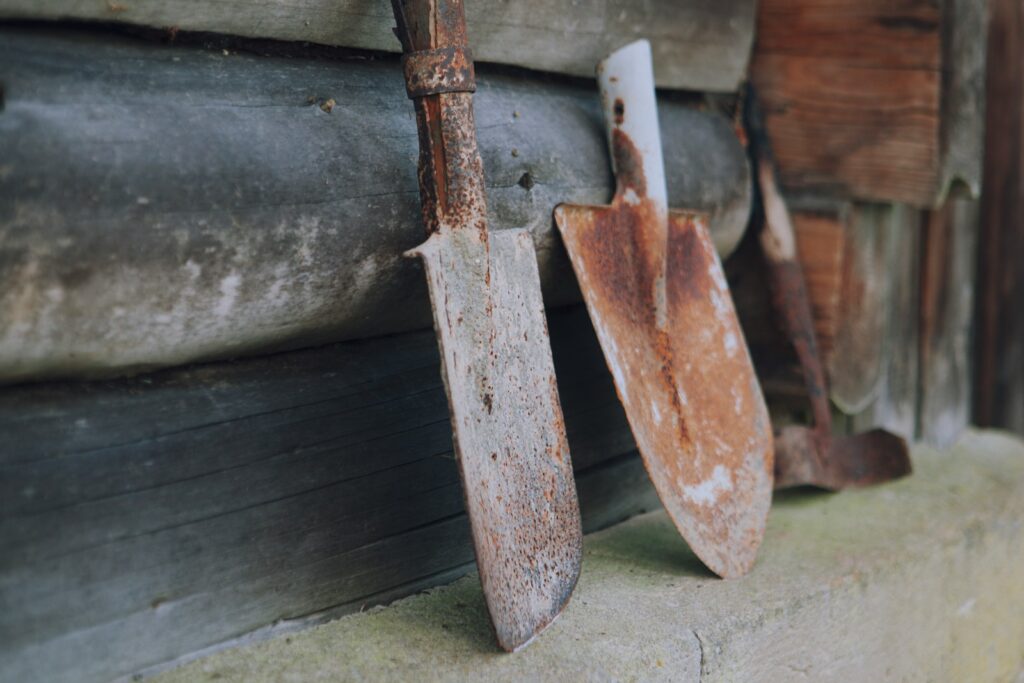
Rust happens when metal meets water and oxygen, and winter speeds up the process. The type of metal and your storage spot both play a role in how quickly rust forms.
Understanding Moisture and Metal
Metal reacts with water and oxygen, causing rust. Even a bit of moisture from dew or leftover soil can start the process.
Different metals resist rust in different ways. Steel and iron rust faster than stainless steel, but even stainless tools need to be kept dry.
Wiping tools clean and dry after each use helps prevent rust from starting.
The Role of Storage Environments
Where you keep your tools over winter matters a lot. Storing them outside or in damp places increases the risk of rust.
Cold air and moisture can cause condensation on metal surfaces, speeding up rust formation. Store your tools indoors in a dry, ventilated place for best results.
Use hooks or racks to keep tools off the ground and avoid piling them together. Moisture-absorbing packs or a dehumidifier can help keep your storage area dry.
Cleaning and Preparing Tools for Winter Storage
Getting tools ready for winter is about removing dirt, rust, and moisture. Scrub off all debris and make sure everything is completely dry before storing.
Effective Cleaning Techniques
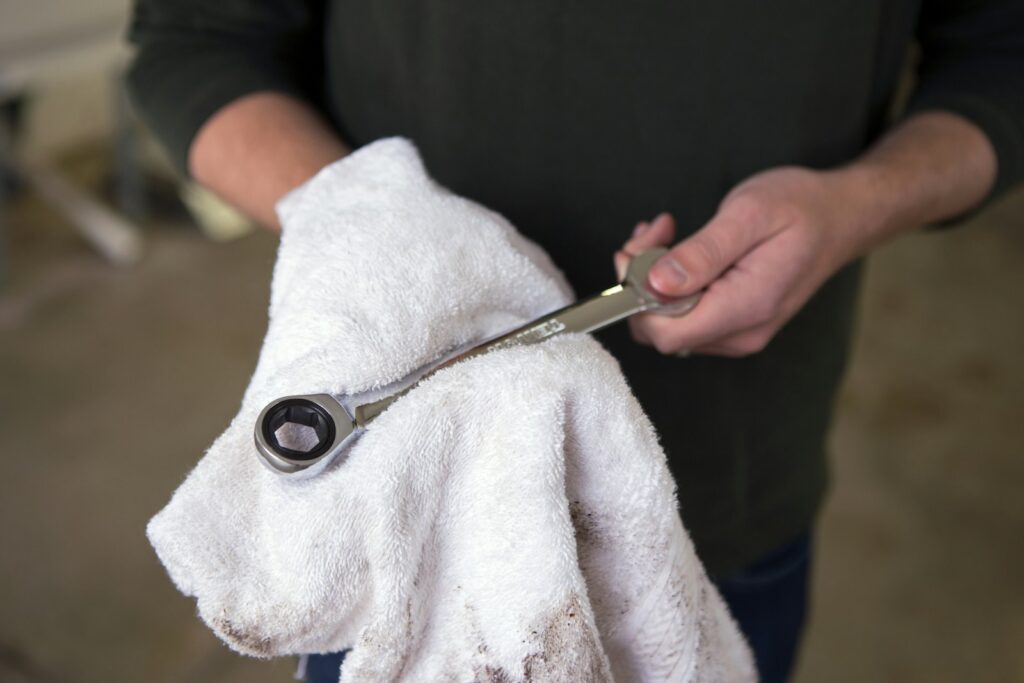
Use a stiff brush or scraper to get rid of dirt, mud, and plant material. For tough spots, soak metal parts in warm, soapy water to loosen grime.
If you spot rust, use sandpaper or a wire brush to scrub it away. Wipe metal surfaces with a cloth dampened in mineral oil or light machine oil for protection.
Clean wooden handles with a damp cloth and let them dry. Rubbing in a bit of linseed oil helps prevent cracking.
Drying Garden Tools Thoroughly
After cleaning, make sure every part of your tool is completely dry. Even small drops of water can cause rust over winter.
Lay tools on a towel in a warm, airy spot and let them air dry for at least 24 hours. For tools with joints, open them up so air can reach all surfaces.
Only store tools when they feel dry to the touch. Dry tools stay rust-free and ready for action.
Choosing the Best Storage Solutions
Picking a good storage spot is key to keeping your garden tools rust-free through winter. Look for a space that’s dry, protected from the weather, and easy to organize.
Taking these extra steps now means less work and fewer surprises come spring. Your tools will be ready to help you get back in the garden as soon as the weather warms up.
Ideal Storage Locations

Finding the right place to store your garden tools can make a big difference in how long they last and how easy they are to grab when you need them. A dry basement, garage, or shed is a great option.
Try to keep tools off the ground and out of direct sunlight since this helps prevent wear on the handles. If you have to keep tools outside, a waterproof container or locker made for gardening supplies can help protect them from the weather and pests.
Raised shelving or wall hooks are useful for keeping tools away from damp floors. For bigger items like rakes and shovels, pegboards or wall racks make them easy to spot and keep dry.
Smaller tools fit nicely in cabinets or tool chests with dividers, so you can always find what you need without digging through a pile. Staying organized saves time and keeps your tools in better shape.
Humidity Control Tips
Have you ever pulled out a favorite tool only to find it covered in rust? Moisture can sneak in and ruin your gear before you know it.
Try using silica gel packs or moisture absorbers inside your storage area to keep things dry. These are easy to find and make a real difference.
Keep tools away from water sources or places that tend to get damp. Good ventilation is key, so if your storage area feels stuffy, consider adding vents or leaving doors open on dry days.
Always wipe your tools clean and dry before putting them away. A light coating of oil on metal parts creates a barrier that helps keep rust at bay.
During winter, check your tools regularly for any early signs of corrosion. Catching it early means you can fix the problem before it gets worse.