How to Store Garden Tools So They Last Through Winter
As the colder months settle in, your garden tools deserve a little attention before they get tucked away. No one wants to start spring with rusty pruners or cracked handles.
A bit of care now means your tools will be ready to go when the first warm days arrive. It’s not hard to keep them in good shape, and your future self will thank you.
Clean tools thoroughly after use to remove dirt and sap
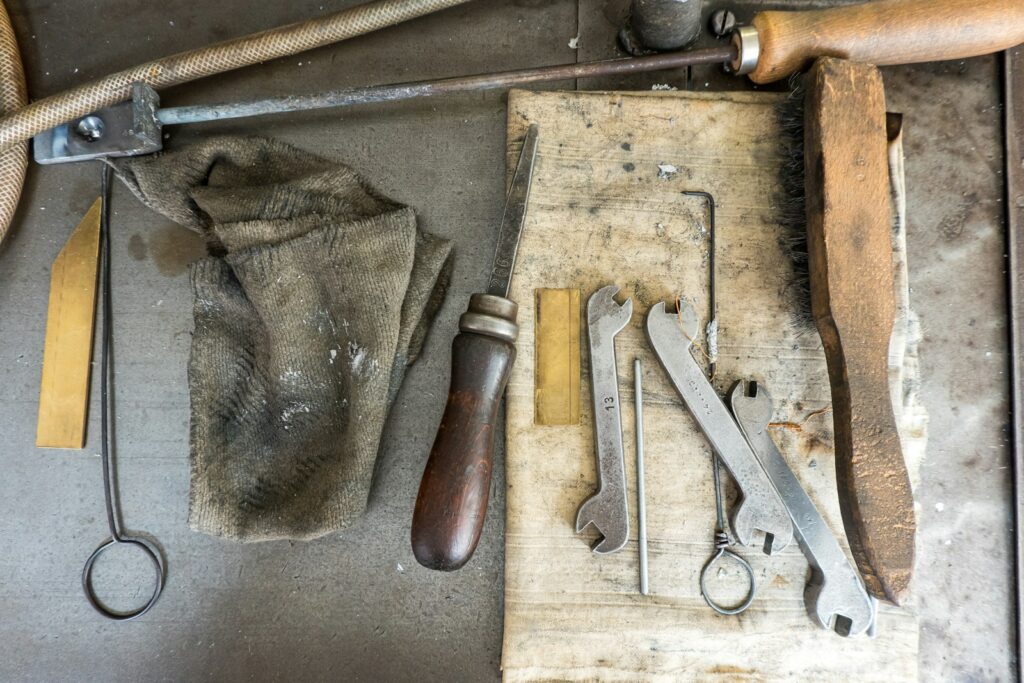
After a day in the yard, tools often end up caked with dirt and sticky plant sap. If this grime stays put, it can lead to rust or even help spread plant diseases.
Scrub off soil with a stiff brush or sponge, then rinse with water. Add a little soap for stubborn sap or sticky residue.
Pay special attention to hinges and joints where dirt likes to hide. Cleaning these areas helps your tools work smoothly and last longer.
Once everything is clean, dry each tool completely with a towel. Any leftover moisture can cause rust during storage.
Sharpen blades to prevent rust and damage
Dull blades can trap moisture and dirt, which leads to corrosion. Sharpening your garden tools before storing them helps prevent this.
A file or sharpening stone works well for most tools. Focus on keeping the right angle as you sharpen.
Even a quick sharpening makes a difference. Sharp blades are easier to clean and make gardening less tiring.
Apply a light coat of oil to metal parts to stop rust

A thin layer of oil on metal parts keeps moisture away and stops rust from forming. This small step can really extend the life of your tools.
Use motor oil, vegetable oil, or a special tool lubricant. Wipe tools clean before oiling so you don’t trap dirt underneath.
Spread the oil evenly with a cloth or brush. Just a light coat is enough. Let the oil dry before putting your tools away.
Sand and oil wooden handles to avoid cracking
Wooden handles need protection too. Sand them gently to remove rough spots and splinters.
Rub linseed oil or another natural oil onto the handles so the wood doesn’t dry out and crack. Wipe off any extra oil to keep things from getting sticky.
If you spot cracks or splinters, now’s the time to fix them. A little care helps handles last longer and feel better in your hands.
Store tools hanging on hooks to allow air circulation
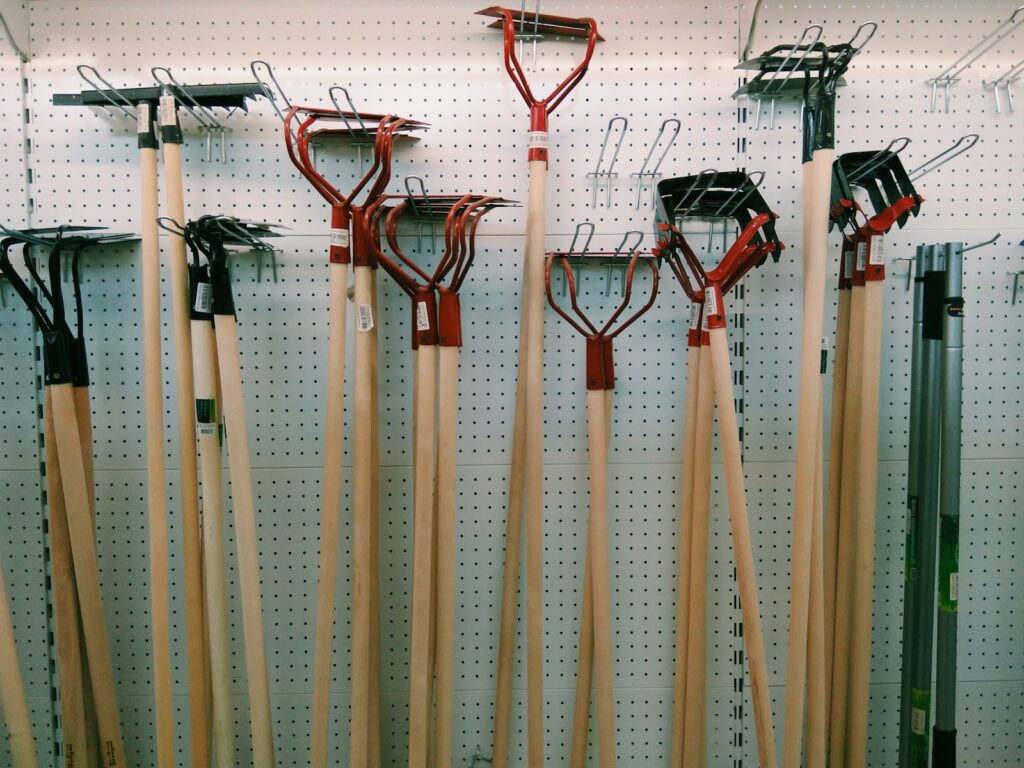
Hanging tools on hooks keeps them dry and organized. Air can flow around them, helping to prevent rust and mold.
Hooks work well on shed or garage walls. Make sure they’re sturdy enough for heavier tools.
Try hanging long tools upside down by the head to keep handles dry and easy to grab. Grouping by size makes things easy to find.
Keeping tools off the floor avoids damp spots and keeps your storage area tidy.
Keep tools in a dry, well-ventilated shed or storage space
A dry shed or storage space is important for tool care. Moisture can damage metal and wood, so good airflow helps a lot.
Use shelves, racks, or hooks to keep tools off the ground. This prevents them from sitting in damp spots.
Check for leaks or places where water might get in. Fix these to keep the area dry and free from clutter.
Open windows or vents to improve air movement and reduce humidity. This keeps rust, mold, and wood rot at bay.
Use a sand-and-oil bucket for quick daily cleaning
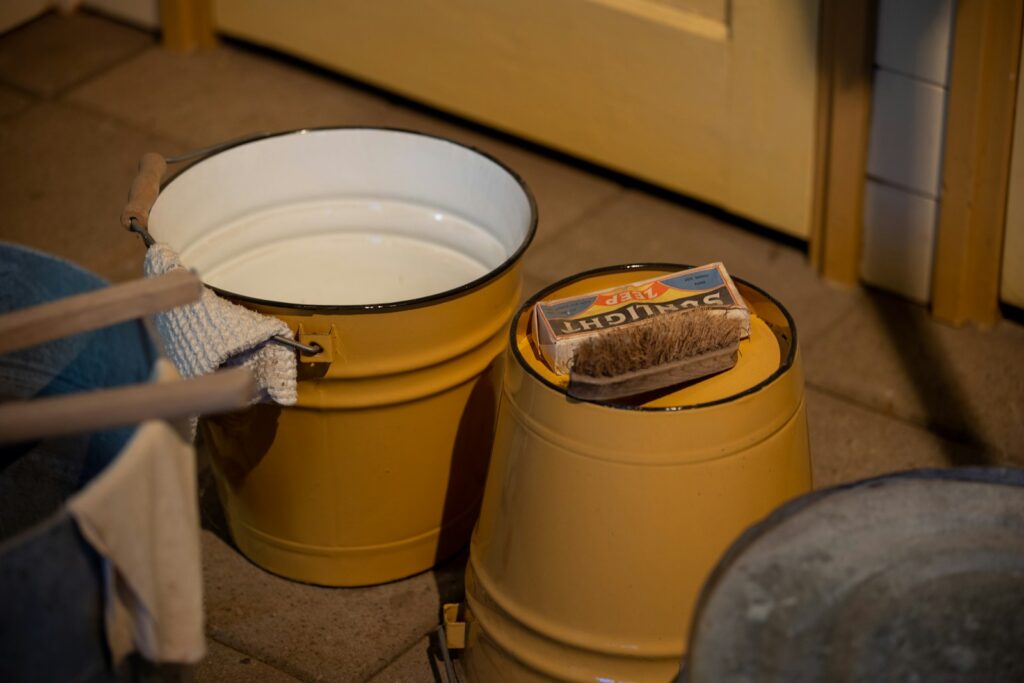
A bucket filled with sand and oil makes cleaning tools fast and easy. After each use, dip the metal parts into the bucket to remove dirt and protect against rust.
The sand scrubs off grime gently, while the oil forms a protective layer. Choose a non-toxic oil like vegetable or mineral oil for safety.
Keep the bucket in your shed or garage so it’s handy. This simple habit cuts down on deep cleaning later and keeps tools ready to use.
Wrap sharp edges with cloth or blade guards for safety
Covering sharp edges before storing tools helps prevent accidents. Wrap blades with a thick cloth or use blade guards that fit snugly.
Blade guards also protect the metal from dust and moisture. Make sure covers stay in place and check them before putting tools away.
Remove batteries from electric tools before storage
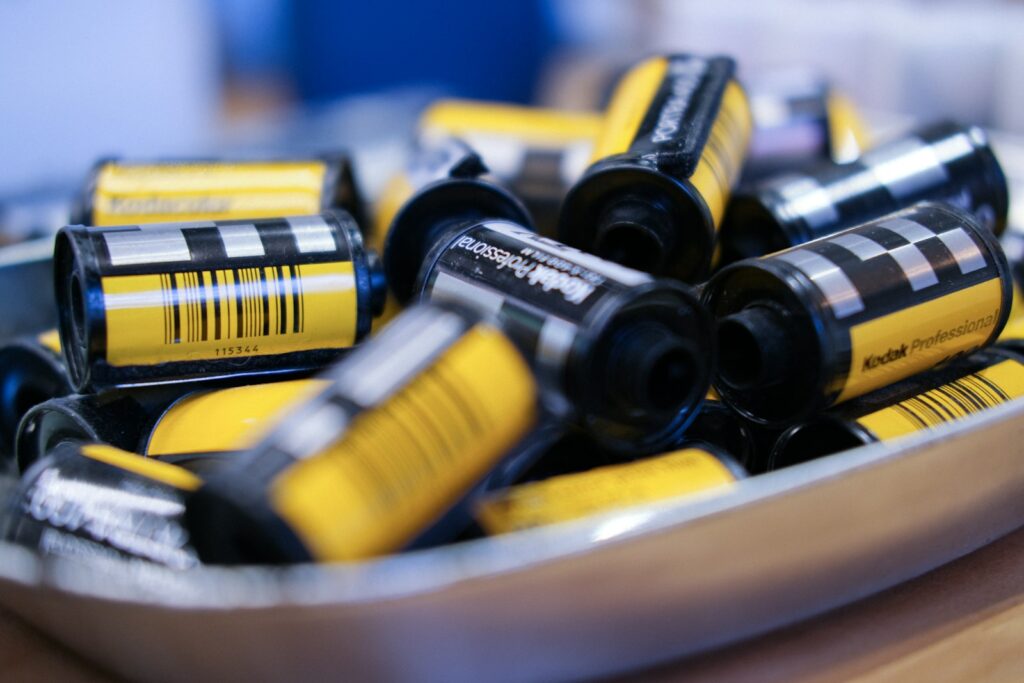
Take batteries out of electric garden tools before storing them for winter. This prevents damage and helps batteries last longer.
Clean battery contacts with a dry cloth. Store batteries in a cool, dry spot away from freezing temperatures and direct sunlight.
If possible, keep batteries at about half charge. This helps maintain their health until spring.
Inspect tools for damage and repair before storing
Look over each tool for cracks, loose bolts, or broken parts before putting them away. Tighten screws and bolts so nothing falls apart next season.
Sand down cracked handles and apply oil to keep them strong. Small repairs now can save you from bigger problems later.
Preparing Garden Tools for Winter Storage
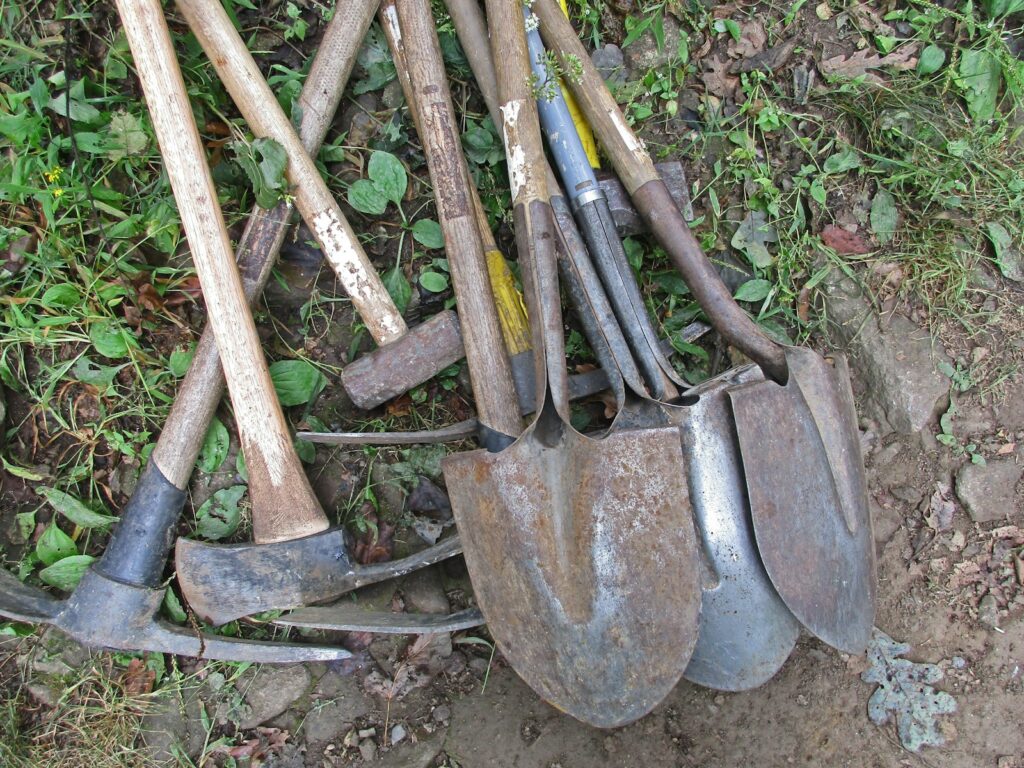
Clean your tools well and fix any issues before storing them for winter. This helps prevent rust and damage.
Cleaning Techniques That Prevent Winter Damage
Remove dirt and plant debris with a stiff brush or cloth. For stubborn grime, soak tools in warm, soapy water and scrub gently.
Dry everything completely with a towel or let tools air dry in the sun. Moisture is the enemy during storage.
Apply a light coat of oil to all metal parts to keep moisture out. For wooden handles, sand rough spots and rub in linseed oil to prevent cracking.
Inspecting and Repairing Tools Before Storing
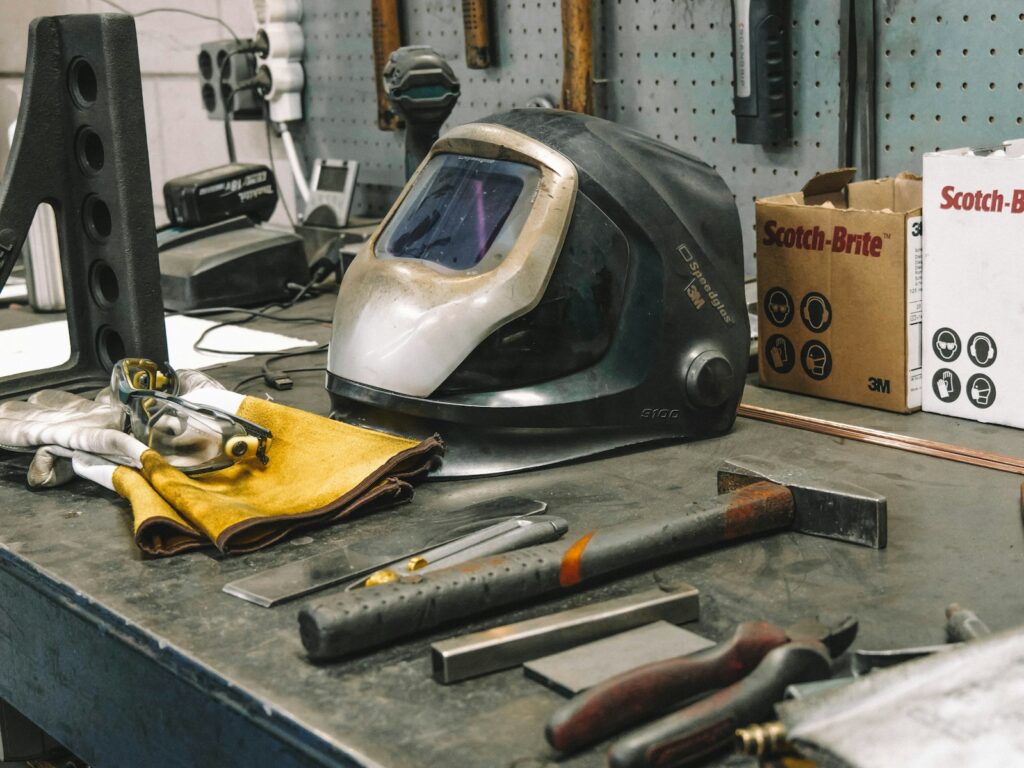
Check for loose handles, cracks, or bent parts. Tighten screws and bolts.
Replace splitting or cracked handles before storing. Sharpen blades on pruners, shears, or hoes with a stone or file.
Remove rust spots with steel wool or sandpaper, then oil the area to stop rust from spreading.
Best Environmental Conditions for Tool Storage
Storing tools in the right environment protects them from damage. Temperature and humidity make a big difference.
Temperature and Humidity Considerations
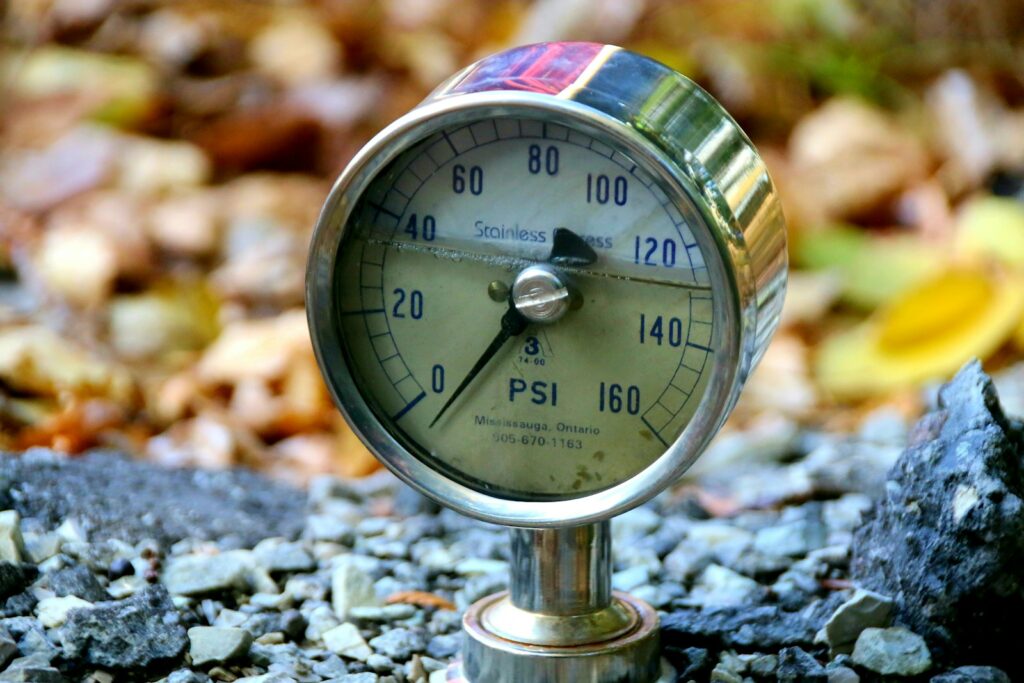
Find a spot where the temperature stays steady, ideally between 40 and 70 degrees Fahrenheit. Avoid areas that get too cold or hot.
High humidity can cause rust and rot. Keep the storage area dry with a dehumidifier or moisture-absorbing packets.
Hang tools or place them on racks to keep air moving around them. Avoid piling tools together so moisture doesn’t get trapped.
Protecting Tools from Rust and Corrosion
Ever grabbed a favorite tool only to find it covered in rust? It happens to the best of us, especially after a rainy week or some forgetful moments in the garden.
Rust sneaks up when metal parts get wet or stay damp for too long. Wiping tools clean and dry after every use goes a long way.
A quick oil rub on metal parts can help block out moisture. Try using a sand-and-oil bucket for fast daily cleaning.
This method removes dirt and adds a protective layer at the same time. Oiling wooden handles and metal surfaces keeps handles from cracking and helps metal stay shiny.
Store tools in a dry shed or a weatherproof box. If your shed tends to get damp, toss in some moisture packets or add insulation to keep humidity in check.
Avoid leaving tools outside where rain and snow can do their worst. Taking these small steps means your tools will be ready for action whenever you need them.