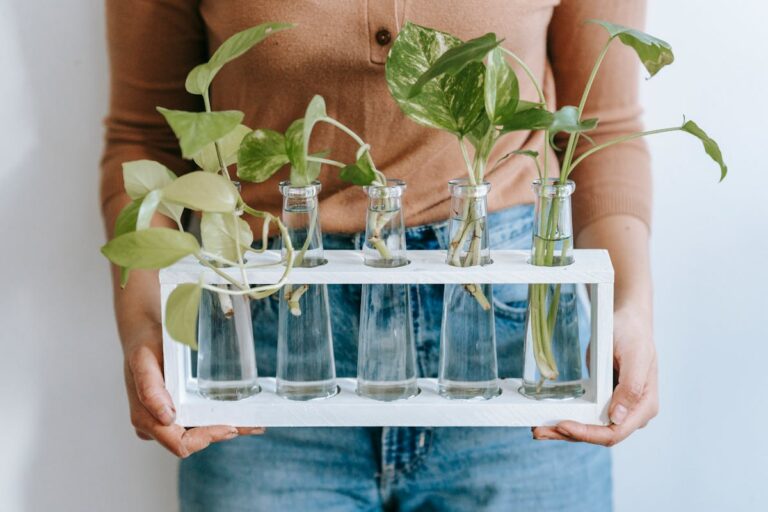
How to Tell If Your Houseplant Is Dormant or Actually Dying
Ever walked past your favorite houseplant and wondered if it’s just taking a nap or if it’s on its last legs? When your plant starts looking droopy or stops growing, it’s easy to worry. Figuring out what’s really going on makes all the difference.
Check stem flexibility with the snap test, dormant stems bend, dead ones snap!
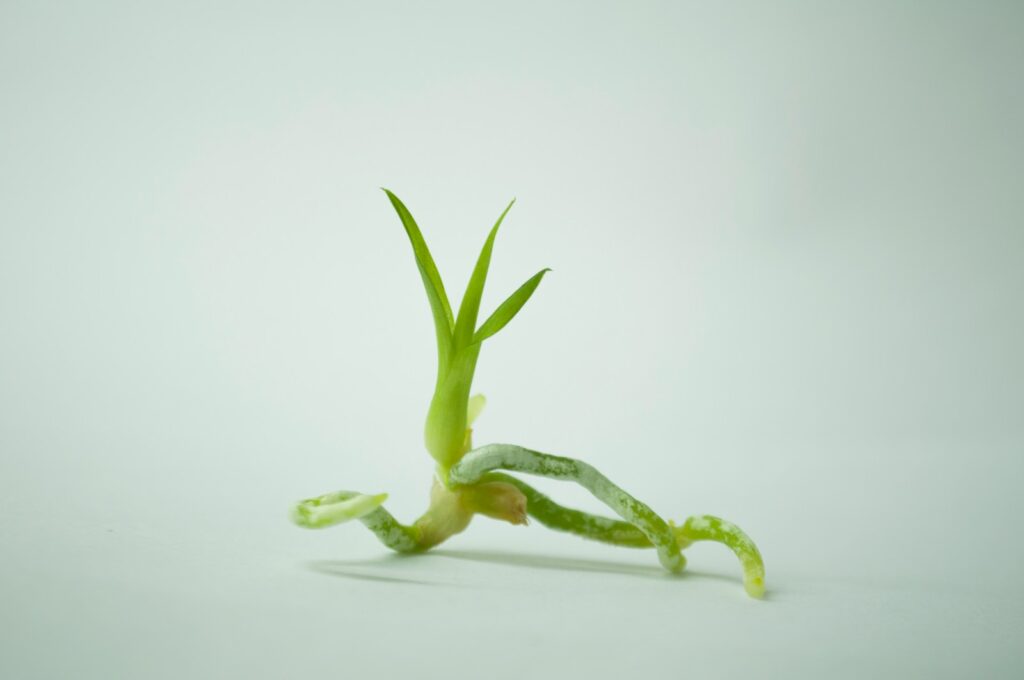
One quick way to check your plant’s health is the snap test. Gently bend a small stem or branch.
If it bends without breaking, your plant is likely just resting. If it snaps easily, that stem is probably dead.
Test a few different branches, since some might be alive while others aren’t. Always bend gently so you don’t damage healthy parts.
Look for green under the bark by gently scratching the stem
Try a simple scratch test to see if your plant is still alive. Use your fingernail or a small knife to gently scratch a tiny spot on the stem.
If you see green underneath, your plant is still alive. Brown and dry under the bark usually means that section is dead.
Test several spots, as some areas might be living while others are not. This quick check can save you from tossing a plant that just needs a break.
Examine leaf drop patterns: seasonal leaf loss usually signals dormancy
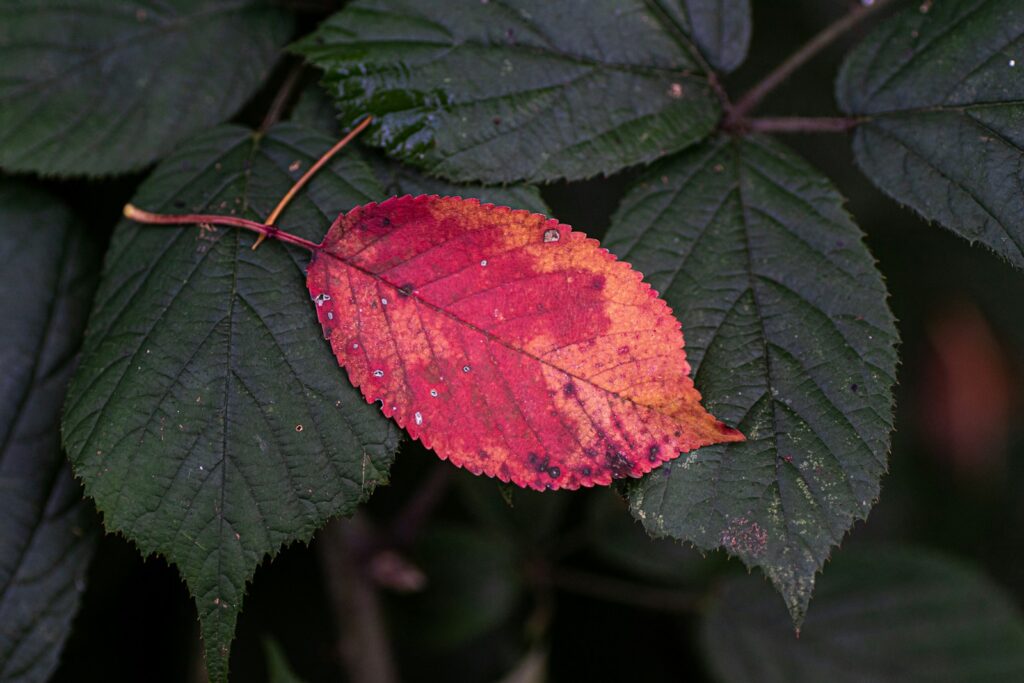
Noticing your plant dropping leaves can be stressful. If leaves change color and fall off gradually with the seasons, your plant is likely going dormant.
This is how plants conserve energy when conditions change. Sudden or spotty leaf drop could mean trouble, but steady, even loss often signals a healthy rest period.
Pay attention to when and how many leaves fall. Watching these patterns helps you understand your plant’s needs.
Observe slowed growth and fewer leaves: signs your plant’s taking a restful break!
Sometimes your plant just slows down. Less growth or fewer new leaves can be a sign of dormancy, not disaster.
If the leaves still look healthy, your plant is probably just resting. Keep up with gentle care and let it recharge.
Feel the soil moisture; dormant plants need less water than dying ones
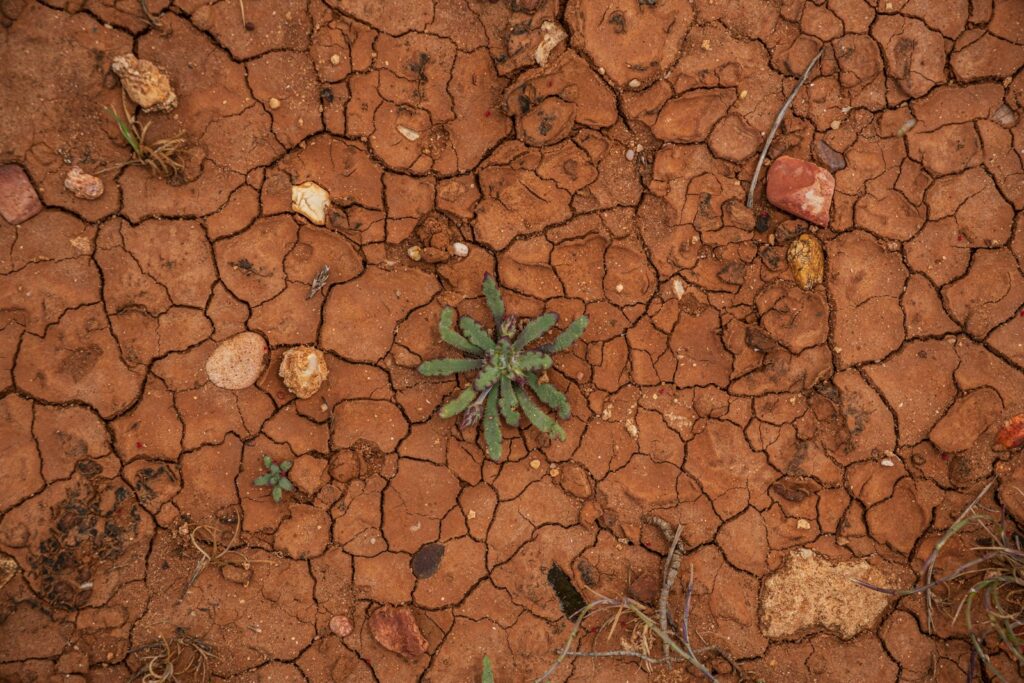
Touch the soil about an inch down to check moisture. Dormant plants need less water, so only water when the soil feels dry.
If the soil is bone dry and your plant looks wilted, it could be struggling. Too much water during dormancy can cause root rot, so always check before watering.
Notice new buds or tiny leaf sprouts hiding in nodes: proof of life!
Spotting new buds or little leaf sprouts at the nodes is a great sign your plant is alive. Nodes are where leaves and branches grow.
Look for small bumps or swelling along the stem. Even if things look quiet on the surface, new growth means your plant hasn’t given up.
Check if the plant’s typical seasonal cycle aligns with dormancy times, usually winter.
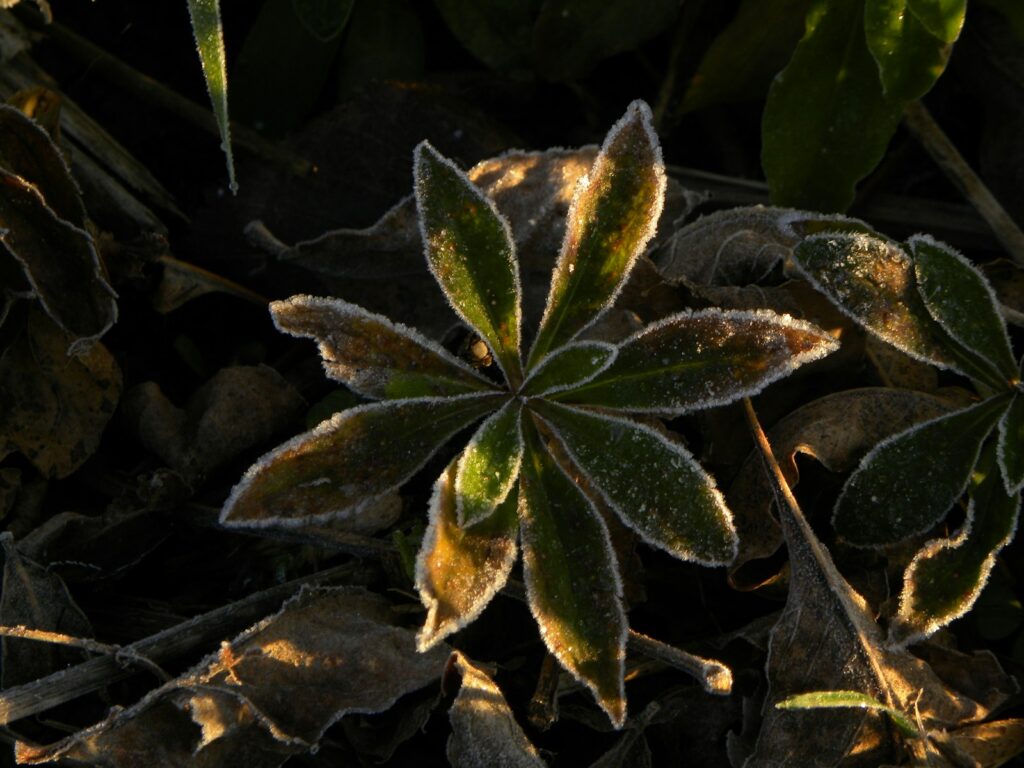
Most houseplants have a natural rest period, often in winter. If your plant usually slows down or drops leaves in winter, it’s likely just following its normal cycle.
Some plants rest in summer instead, so knowing your plant’s habits helps you avoid worry. Adjust care by watering and fertilizing less until it perks up again.
Look for brown, crispy leaves only on older growth: new growth issues suggest ailing health
Brown, crispy leaves on older parts are usually just natural aging. If new leaves are curling, yellow, or damaged, your plant might be stressed.
Problems with fresh growth often mean you need to check watering, light, or look for pests. Keep an eye on where the leaf damage starts for early warning signs.
Gently tug on leaves: if they easily come off with no green underneath, the plant may be dead.
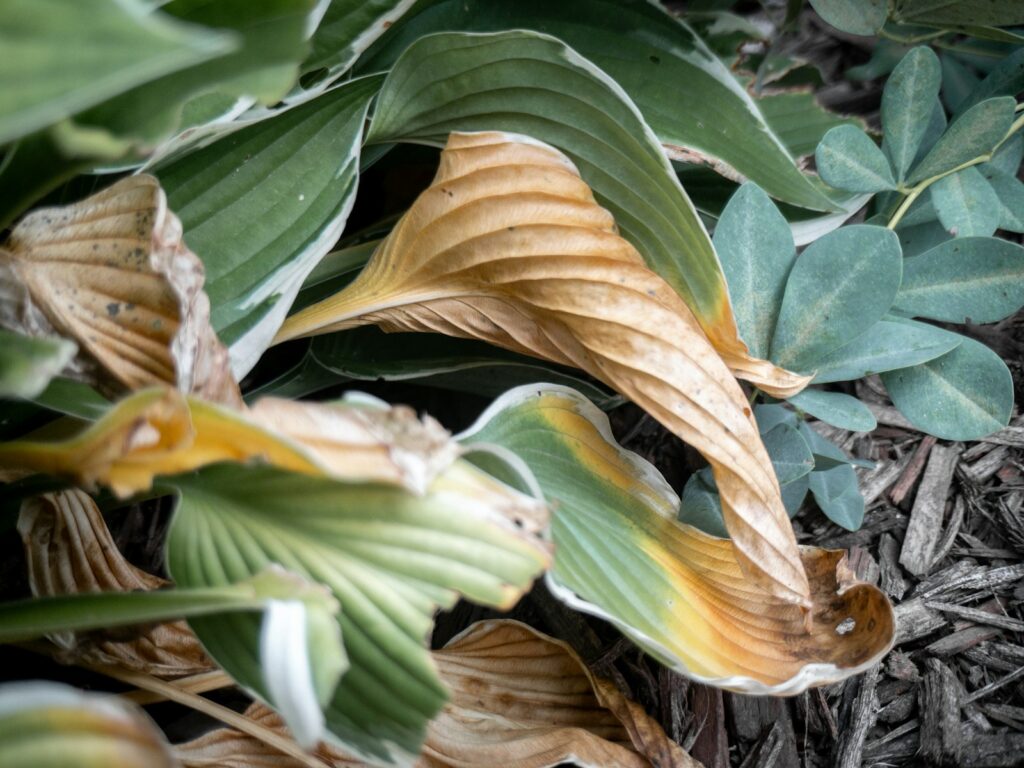
Lightly tug on a few leaves near the stem. If they come off easily and there’s no green where they were attached, that part of the plant might be dead.
If the stem feels soft or shows green inside, your plant might just be resting. Brittle, brown stems are a more serious sign.
Try this on a few leaves to get a better sense of your plant’s overall health.
Watch for wilting combined with dry, brittle stems; this often indicates death, not dormancy.
Wilting leaves and dry, brittle stems together are a big red flag. If a stem snaps instead of bending, it’s usually dead.
Dormant plants have flexible, slightly moist stems even if growth is slow. When you see wilting plus brittle stems, roots may have stopped working.
Catch these signs early to give your plant a better chance of recovery.
Key Signs of Dormancy Versus Distress
Sometimes it’s tough to tell if your plant is resting or really struggling. Looking at the season, leaf changes, and soil or root health can help you figure it out.
Identifying Seasonal Cues

Plants often go dormant when days get shorter and temps drop, usually in late fall or winter. If your houseplant slows down or drops leaves around this time, it’s likely just resting.
If your plant looks bad outside its normal rest season, it could be in distress. Watch for changes that don’t match the calendar.
Leaf Color Changes and What They Mean
Yellowing or browning leaves can happen during dormancy or when a plant is dying. Dormant leaves usually fade evenly or drop gently.
Spotty, crispy, or moldy leaves point to stress. If new leaves look healthy, your plant is probably okay.
Bright green leaves, even if there are fewer, are a good sign. Wilting or mushy leaves may mean overwatering or root problems.
Soil and Root Health Assessment
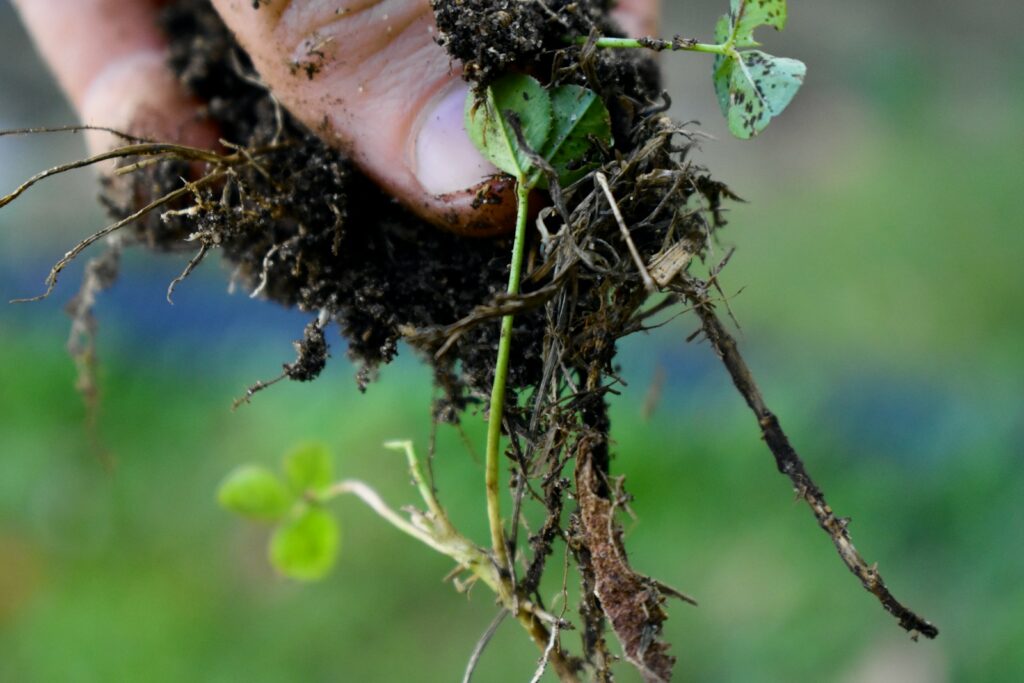
Healthy roots are firm and light-colored, even when dormant. Mushy, black, or smelly roots mean trouble.
Soil that stays wet or smells bad is a warning. Gently check roots by removing the plant from its pot if you’re unsure.
If roots look healthy but soil is dry, a light watering can help. Bad roots need trimming and repotting.
Encouraging Healthy Recovery
Helping your plant bounce back takes a few changes in care. Adjust water and light as needed to support recovery.
Adjusting Watering Techniques
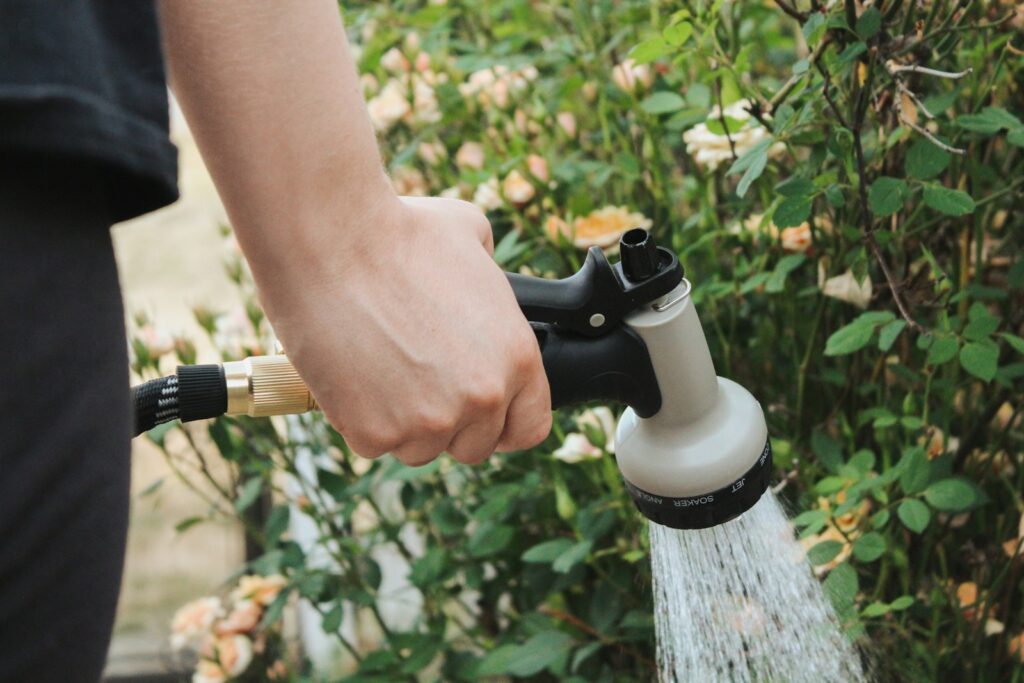
Dormant plants use less water, so cut back and only water when the soil is dry an inch down. Overwatering during dormancy can cause root rot.
If your plant seems to be struggling, give smaller amounts of water more often. Make sure your pots have drainage holes.
Clay pots dry out faster than plastic, so adjust your watering routine. A moisture meter can help you get it just right.
Lighting Tweaks for Each Phase
Light can make a huge difference in how your plant bounces back. When your plant is resting, it prefers softer light.
Try moving it to a spot with gentle, indirect sunlight instead of placing it right in a sunny window. This gives your plant a break without leaving it in the dark.
If your plant is starting to perk up and recover, it will appreciate a brighter spot. South or east-facing windows usually give just the right amount of light.
When sunlight is limited, a grow light can help fill the gap. Aim for about 10 to 12 hours of light each day while your plant is getting back on its feet.
During its rest phase, you can cut back to 6 to 8 hours of light daily. Remember to rotate your plant from time to time.
This simple habit helps every side get its fair share of light and keeps your plant growing evenly.