How to Use Snow as a Gardening Tool to Boost Your Winter Garden Fun
Ever look out at a snowy backyard and wonder if there’s anything you can do for your garden while everything seems frozen? Snow might seem like a hassle, but it actually has some surprising benefits for your plants and soil.
Instead of dreading each snowfall, you can turn it into an opportunity for your winter garden. Snow can protect, hydrate, and even feed your plants in ways you might not have tried before.
Snow acts as a natural helper in your garden, giving your plants protection and your soil a boost during the winter months. By learning how to use snow, you can support your garden’s health all year long, even when the ground is frozen.
Let’s take a look at how snow can become your garden’s secret winter weapon.
Use snow as a natural insulator to protect plants from harsh winter cold
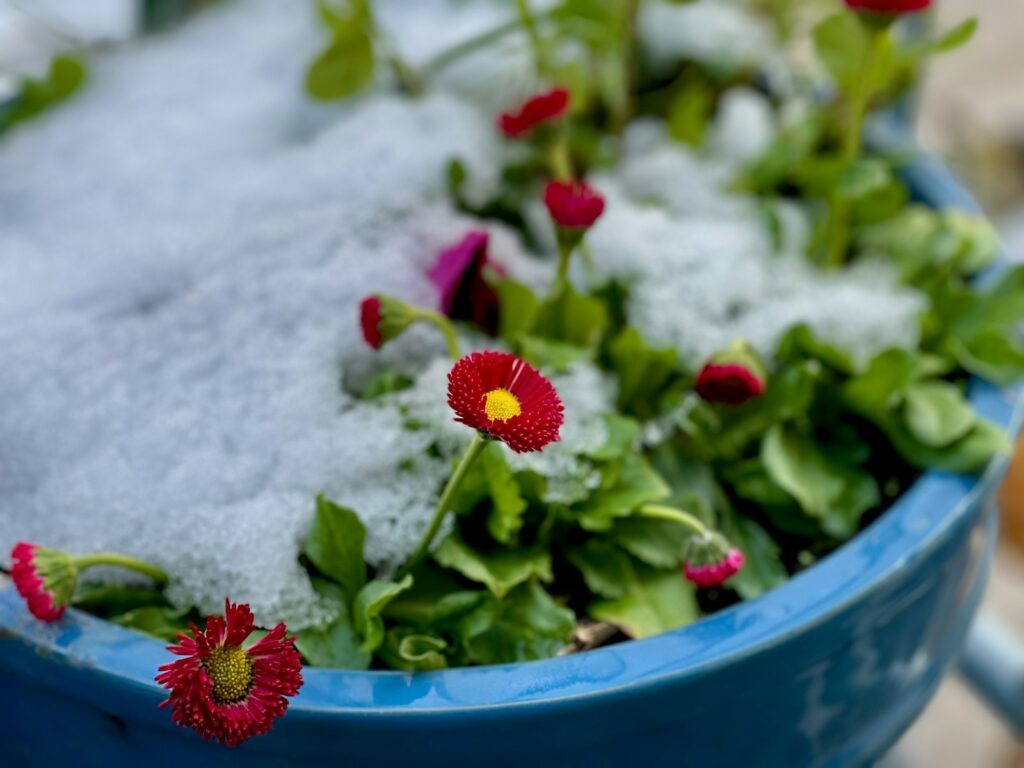
It’s easy to think snow is just cold and harsh, but it can actually act like a cozy blanket for your plants. When snow covers the ground, it traps air and keeps the soil warmer than the freezing air above.
This helps prevent the soil from freezing too deep and protects your plants’ roots. By letting snow pile up around your garden, you’re giving your plants a natural shield from cold winds and sudden temperature drops.
This layer of snow slows down the freezing process and keeps the soil temperature more steady. Your plants stay healthier because their roots don’t get damaged by ice.
Snow also holds moisture, so it keeps the soil from drying out during winter. Instead of rushing to clear away snow, try to leave it as a natural insulator.
Pile snow around perennials to increase their survival rate
You can use snow as a natural shield for your perennials during winter. By piling snow around their base, you create an insulating layer that helps keep the soil temperature more stable.
This protects the roots from freezing and thawing cycles that can harm your plants. Snow also blocks cold winds that might dry out or damage your perennials.
It works like a cozy blanket, reducing freeze stress and improving your plants’ chances of surviving harsh winter weather. The moisture locked inside the snow slowly seeps into the soil, giving your plants water when they need it most.
Just make sure to pile the snow gently to avoid crushing delicate stems. If your area gets icy rain on top of snow, the insulating effect can be even stronger.
Harness snow melt to slowly water your garden beds

You can use snow to gently water your garden beds as it melts. When snow slowly melts, it soaks into the soil little by little.
This slow release of water helps keep your plants hydrated without flooding your garden. By piling snow in certain spots, you let the water sink deep into the ground.
This is great for areas that need moisture over time. Unlike sudden rain, melted snow gives your soil steady hydration.
Snow melt works like a natural drip system. As it disappears, it feeds your garden with clean, fresh water.
Try placing snow around perennials or new plants where water is needed most. It’s a clever way to use nature’s gift and care for your plants at the same time.
Map shaded and sunny areas by observing snow accumulation patterns
Ever notice how some parts of your yard keep snow longer than others? Snow tends to stick longer in shaded areas and melts faster in sunny spots.
Watching these patterns helps you see which parts of your garden get more sun and which are cooler or shaded. Start by observing your garden after a snowfall.
Notice the places where snow lingers. These spots likely don’t get much direct sunlight.
The areas where snow disappears quickly are warmer and sunnier. You can mark these zones on a simple map of your yard to keep track.
This snow map can guide where you plant different crops. Shade-loving plants will do better where snow stays longer, and sun-loving plants will thrive where snow melts fast.
Plus, mapping snow can help you figure out frost-prone spots or places that might get extra moisture from melting snow. Using snow this way adds a fun and natural twist to gardening.
Utilize snow as a slow-release nutrient source for soil enrichment
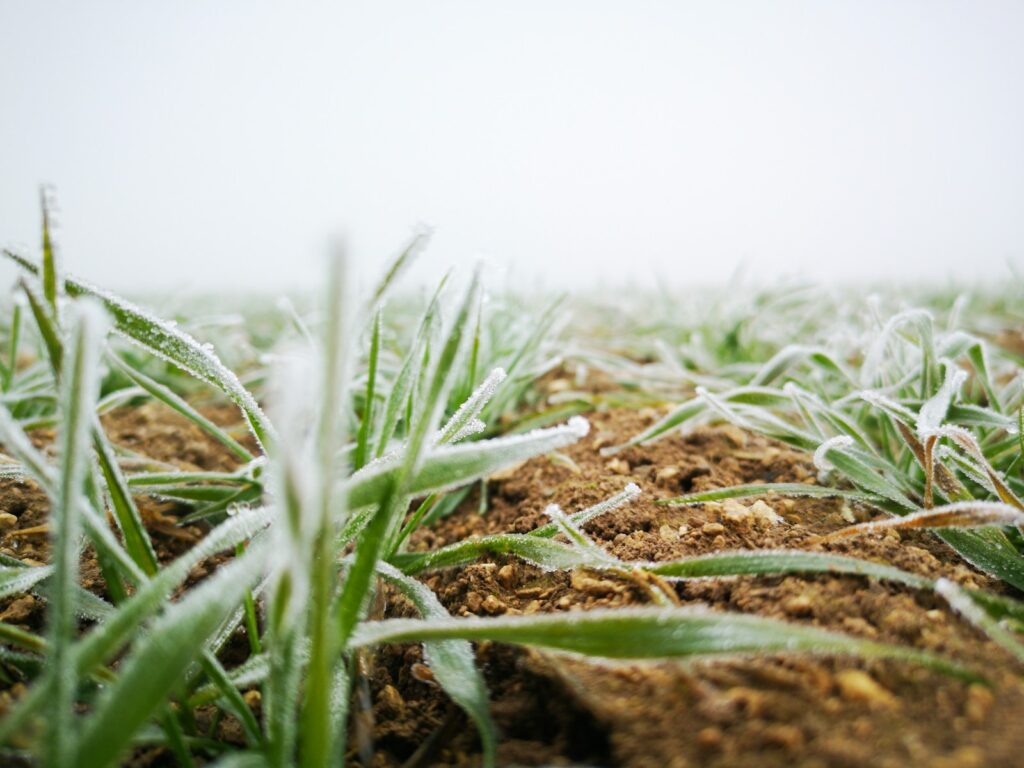
You might not realize it, but snow can actually feed your garden. As it melts slowly, it releases small amounts of nutrients like nitrogen into the soil.
This natural process helps nourish your plants over time without the need for extra fertilizers. Snow acts like a gentle delivery system.
Instead of dumping nutrients all at once, it gives your soil a steady boost during the cold months. This slow release supports the growth of beneficial microbes, which improve soil health and make nutrients easier for plants to absorb.
Using snow this way is perfect if you follow organic gardening. The nutrients from melting snow mix naturally with compost or mulch, enhancing your soil’s vitality.
Gently shake snow off branches to prevent breakage
Heavy snow can weigh down branches until they snap. To stop this from happening, gently shake the snow loose before it causes damage.
Be careful when you do this. Use a soft broom or just shake the branches by hand, starting from the top and working your way down.
Shaking too hard or too quickly can make branches break, especially if they are already brittle from cold weather. Try to clear the snow early and often during a snowfall.
The less weight the branches carry, the less chance they will break. This simple step helps keep your trees and shrubs strong and healthy through winter.
By shaking snow off gently, you protect your plants and reduce the risk of costly repairs later. Plus, it creates a healthier space for new growth once spring arrives.
Avoid salt de-icers; use cracked corn or sand to protect soil and plants
When winter arrives, you might think salt is the easiest way to melt ice. But salt can actually hurt your soil and plants.
It draws moisture away from roots and changes how the soil works. That can make it harder for your garden to grow in the spring.
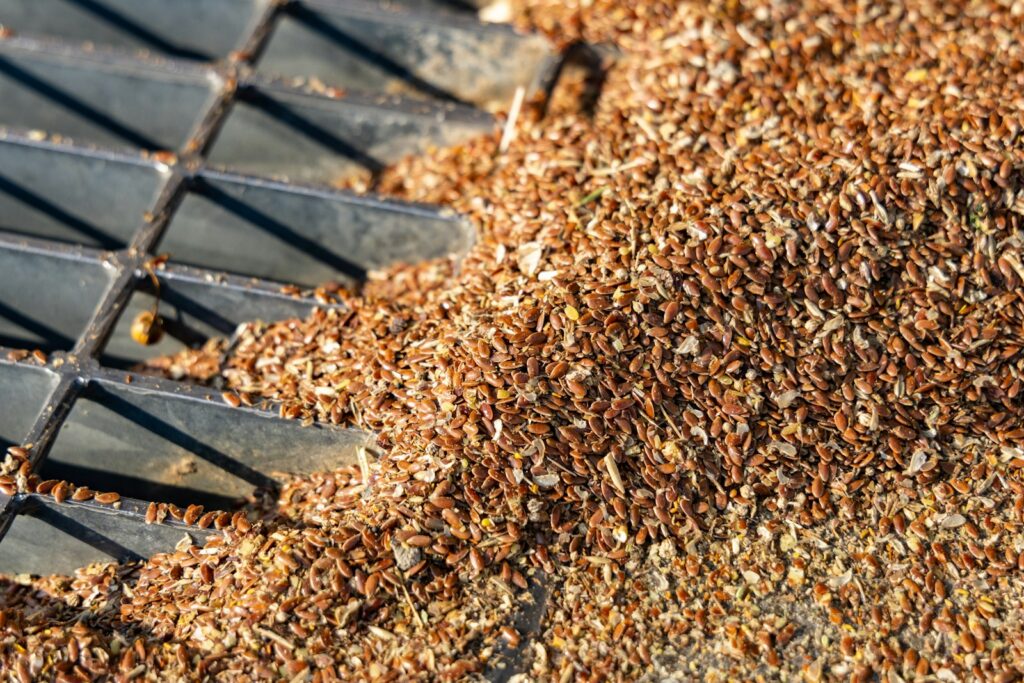
Instead, you can use cracked corn or sand to keep your driveway and walkways safe. Cracked corn is a natural option that adds little risk to nearby plants.
Sand does not melt ice, but it gives you better traction so you don’t slip. Using these alternatives means you protect your garden while staying safe on ice.
Try these options next time it snows. You might find your plants thank you when spring comes.
Create snow tunnels to encourage beneficial winter wildlife in your garden
You can build snow tunnels to give small animals a safe space during winter. These tunnels provide shelter from cold wind and predators.
Animals like rabbits, mice, and even some insects can use the tunnels as a warm hiding spot. To make a snow tunnel, pack snow around an object or dig out a path under a snow pile.
The tunnels trap heat and help keep the animals insulated. You can add sticks or leaves inside to increase comfort.
Snow tunnels also help protect plants. When animals stay in these tunnels, they are less likely to damage your garden.
Plus, you’ll attract helpful wildlife that can control pests and pollinate your plants. Trying this is a fun way to connect with nature while supporting your garden’s winter health.
Practice snow farming by strategically piling snow for future water supply
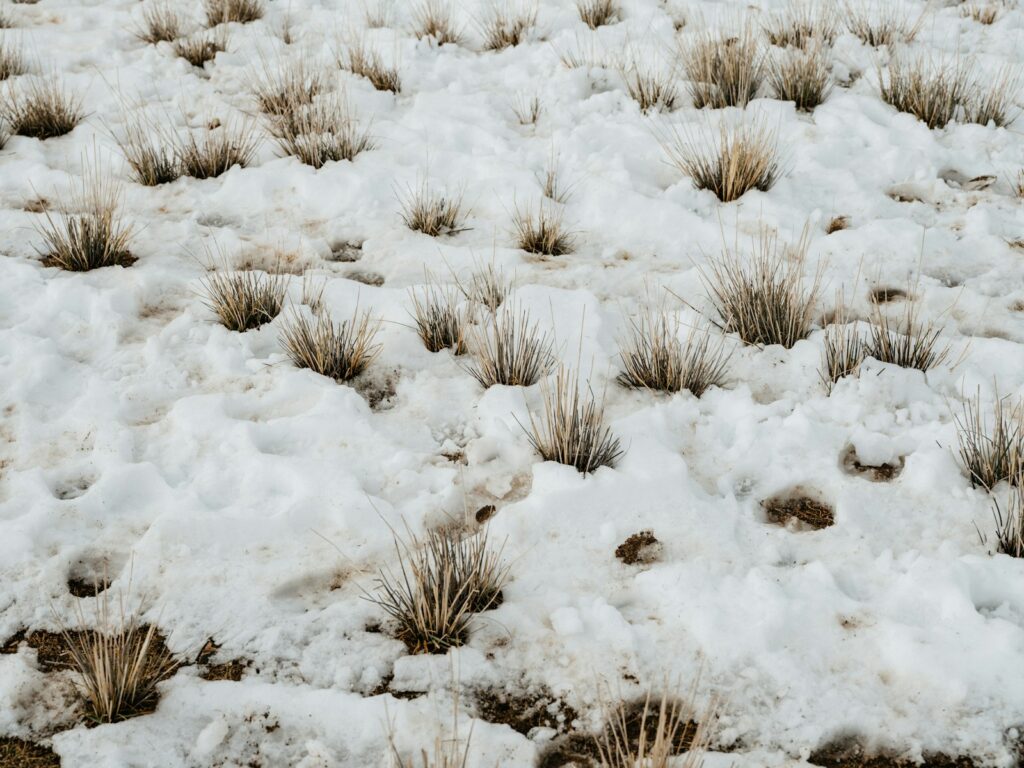
You can use snow farming to save water for your garden later. By piling snow in certain spots, you create natural storage for moisture.
When the snow melts, it slowly releases water into your soil. This keeps your plants hydrated during dry periods.
Choose a shady place to pile the snow. This slows down melting and helps the water soak into the ground over time.
You want the snow to last longer so it feeds your garden gradually. You don’t need fancy tools to try this.
Just gather snow from walkways or driveways and pile it around garden beds or near plants. Over winter, the snow acts like a water reserve that you can rely on when spring comes.
Use snow cover to protect roots and reduce soil freezing
A blanket of snow can help protect your plants’ roots. Snow acts like an insulating layer that keeps the soil underneath warmer than the air above.
This means your roots stay safer from harsh freezing temperatures. When the ground is covered with snow, it prevents the soil from freezing too deeply.
This helps keep the tiny living things in the soil healthy and active. Those soil creatures are important because they support your plants when spring arrives.
Snow also helps keep the moisture in the soil. Without snow cover, cold winds can dry out the ground and harm roots.
If your garden lacks snow, you can add mulch to give extra insulation. Protecting your soil like this means your plants will have a better start when the weather warms up again.
The Science Behind Snow’s Role in Gardening
Snow is more than just frozen water, it acts like a natural protector and helper for your garden. It keeps plants safe from harsh cold and helps keep soil ready for healthy growth when spring arrives.
How Snow Insulates and Protects Plants
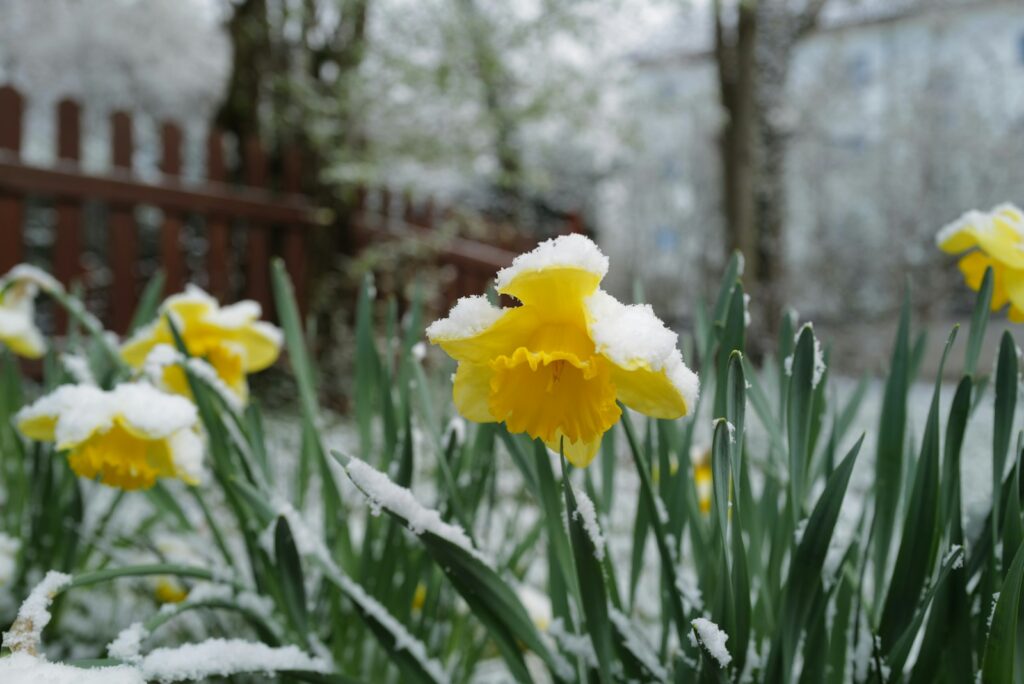
When snow covers your garden, it forms a soft, insulating blanket. This layer traps air and keeps temperatures more stable under the snow.
Your plants’ roots and bulbs are shielded from extreme cold that could damage or kill them. This insulation can raise the soil temperature by as much as 9 degrees Fahrenheit compared to bare ground.
It also prevents the soil from freezing deeply, which helps living things like beneficial microbes survive through winter. These tiny organisms play a big role in your garden’s health.
Snow also protects plants from drying winds and freezes that can crack stems. Even though it looks cold and harsh, snow actually helps your plants survive tough winter conditions.
Snow’s Impact on Soil Moisture
As snow melts slowly, it soaks the soil with water in a gentle, steady way. This is important because rapid melting or heavy rain can cause erosion or wash away nutrients.
The moisture from snow helps keep soil damp when plants start growing again. It also replenishes groundwater that gardens rely on during drier months.
Snow’s slow melt also allows you to see sunlit and shaded spots in your garden better, helping you plan where to plant once spring comes.
Eco-Friendly Benefits of Using Snow in Your Garden
Using snow in your garden can help you save water and improve soil health without chemicals. It works naturally to keep your plants safe and your garden fertile through the winter.
Reducing Watering Needs
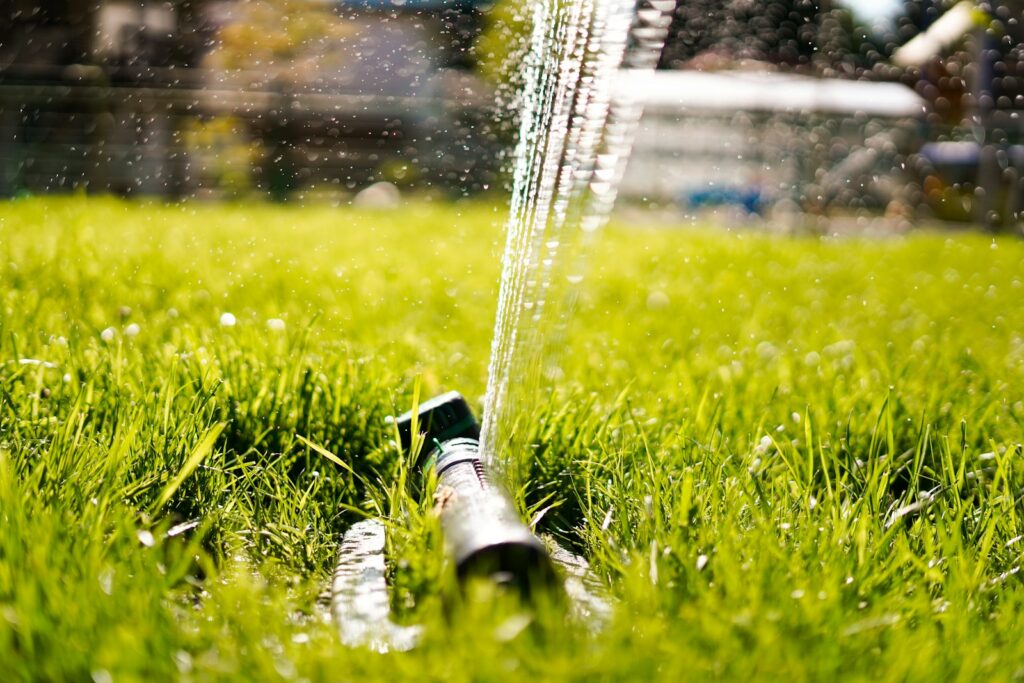
Snow acts like a natural water reservoir for your garden. When it melts slowly, it soaks into the soil, providing steady moisture for your plants.
This means you don’t have to water as often in early spring because the soil already has the water it needs. You can also pile snow around the base of trees and shrubs.
This protects their roots and keeps the soil moist longer. Since snow melts slowly, it prevents quick runoff and helps water sink deep into the ground.
Using snow reduces water waste. Instead of relying on extra irrigation, you let nature do the job.
Enhancing Soil Fertility Naturally
A fresh layer of snow might look like just another winter hassle, but it can actually be great for your garden. As snow falls, it collects dust and natural particles from the air.
When the snow melts, it delivers small amounts of nutrients like nitrogen into the soil. This gentle boost can make a difference for your plants when warmer weather returns.
Snow also acts as an insulator for the ground. The layer of snow helps keep the soil beneath it a bit warmer than the air above.
This protection is important for the tiny microbes living in your soil. These microbes work all winter to break down organic matter and release nutrients, setting the stage for a healthy garden in spring.