How to Winterize Your Garden Beds Without Spending a Dime
Getting your garden beds ready for winter doesn’t have to drain your wallet. With a little effort and some creativity, you can protect your plants and soil using what you already have around the yard.
A little preparation now means less stress when spring rolls around. Simple, no-cost steps can keep your soil healthy and your plants strong through the cold months.
Remove dead plants and debris to prevent pests and diseases!
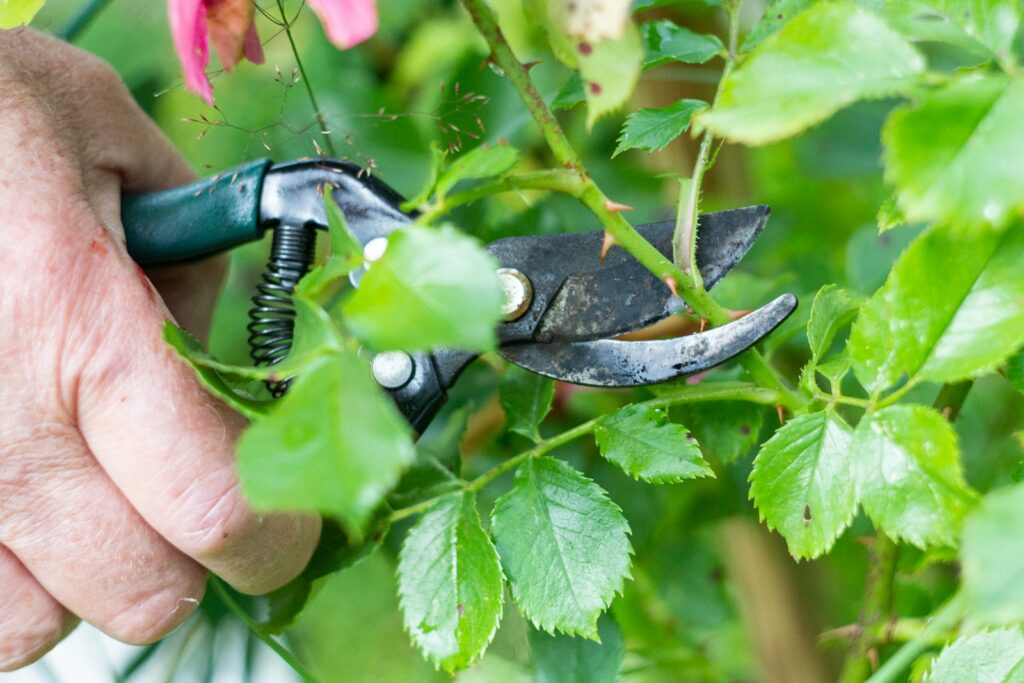
No one wants to deal with pests and diseases taking over their garden beds. Start by clearing out all dead plants and debris.
These leftovers are the perfect hiding spot for bugs and fungi. By removing dead leaves, stems, and flowers, you help keep your healthy plants safe.
Weeds should go, too, since they compete for space and can carry harmful bugs. Cleaning your garden beds now gives your plants a better shot when the weather warms up.
You don’t need fancy tools, a rake or your hands work just fine. Just getting rid of the mess can make a big difference for your garden next year.
Loosen soil gently with a garden fork to improve aeration
Gently loosening the soil with a garden fork is a quick way to give your beds a fresh start. This lets air and water reach plant roots more easily.
Stick the fork a few inches into the soil and rock it back and forth without turning the soil over. This keeps the soil structure intact and protects helpful bugs and tiny organisms.
Loosened soil also stays healthier through winter and is less likely to get packed down. With just a little effort, you’ll set your garden up for a strong comeback in spring.
Use fallen leaves as a natural mulch around plants
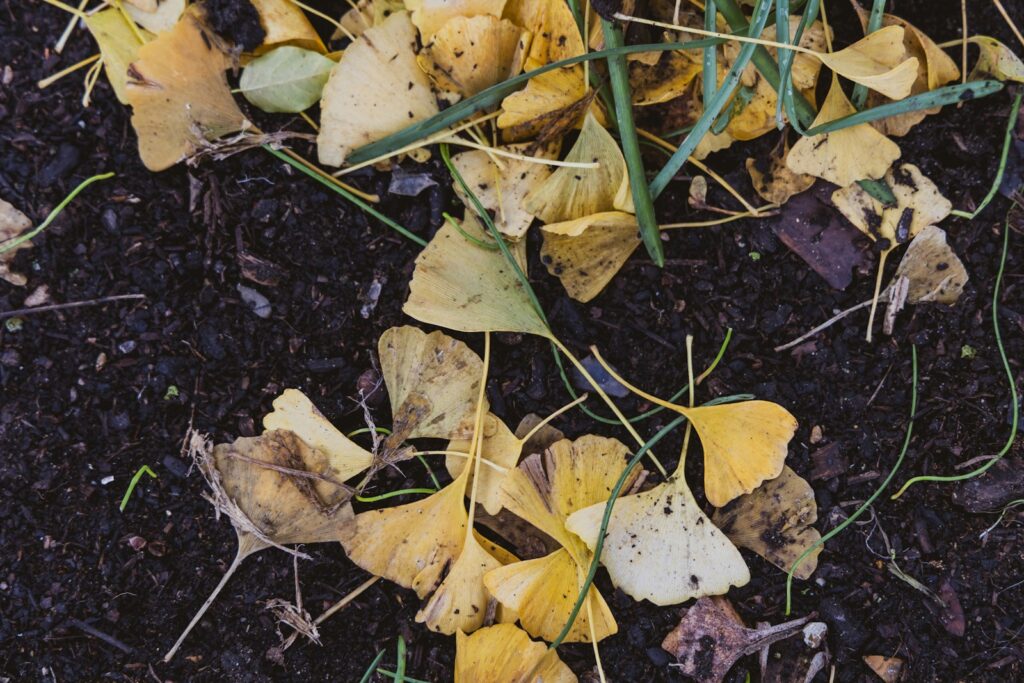
If you’ve got a yard full of leaves, put them to work as mulch. Spread a couple of inches of shredded leaves around your perennials and shrubs.
This keeps the soil moist and protects roots from freezing. Mulching with leaves also helps stop weeds from popping up.
As the leaves break down, they add nutrients right back into your soil. It’s free, eco-friendly, and keeps your garden healthy all winter.
Create a thick mulch layer with grass clippings you already have!
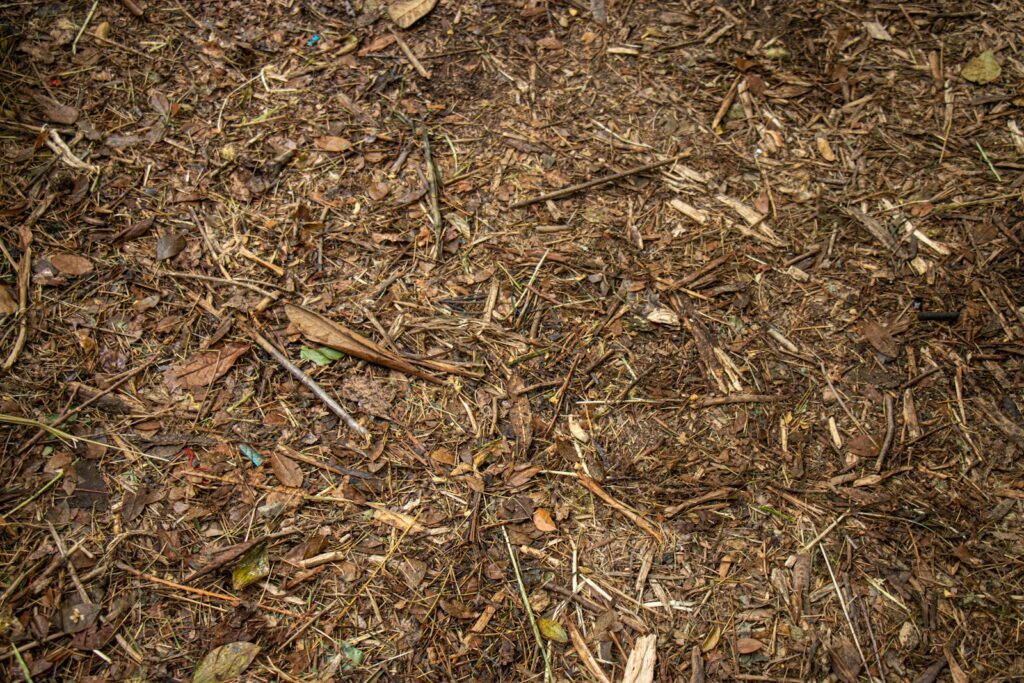
Grass clippings are another free mulch option that can help your garden beds through winter. Spread them in a thin layer, about an inch or two thick.
Keep clippings away from plant stems to prevent rot. Mixing grass with leaves or straw can help the mulch breathe and keep it from getting too compacted.
This simple step adds nutrients to your soil and helps keep weeds at bay. It’s a smart way to use what you’ve got on hand.
Cover garden beds with cardboard or newspaper to suppress weeds
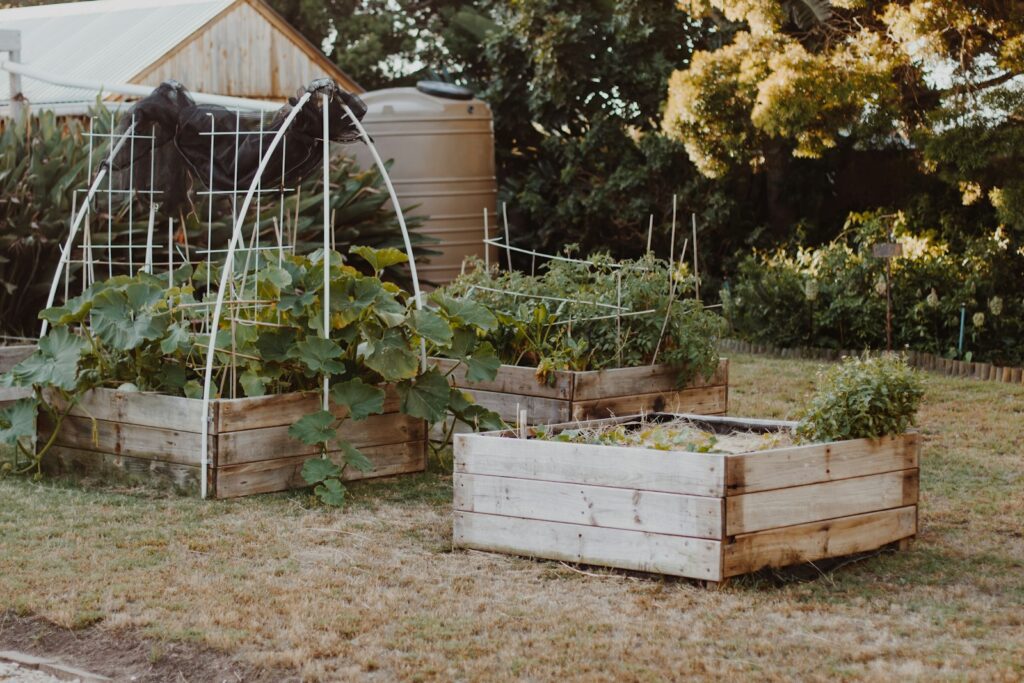
Old cardboard and newspaper are great for keeping weeds out of your garden beds. Lay down a few layers after removing any big weeds or debris.
Hold the cardboard in place with rocks or bricks. As it breaks down, it adds nutrients to your soil and cuts down on spring weeding.
This method is a win-win for your garden and the environment. You’re recycling while protecting your beds for next season.
Collect kitchen scraps to make a simple compost pile for spring
Don’t toss those veggie peels or coffee grounds. Save them to start a compost pile outside.
Mix kitchen scraps with dry materials like leaves or shredded paper. Keep your pile moist, like a damp sponge, to help it break down.
You don’t need a fancy bin, just a simple pile will do. By spring, you’ll have rich, dark compost ready to boost your garden beds.
Plant cover crops like clover or rye to protect and enrich soil
Cover crops like clover or rye act as a natural blanket for your soil. They help prevent erosion and keep nutrients locked in through winter.
Clover adds nitrogen to the soil, while rye builds strong roots that improve soil structure. Thick cover crops also help block weeds from getting started.
Use leftover seeds or trade with neighbors to get started. After winter, you can cut or turn the plants into the soil for an extra nutrient boost.
Protect delicate shrubs with burlap wraps made from old fabric

Old burlap sacks or loose fabric can shield your shrubs from harsh winter weather. Set up a frame with stakes and wrap the fabric loosely around your plants.
This protects against frost, wind, and snow while letting your shrubs breathe. Burlap acts like a cozy blanket and helps prevent branches from breaking.
Reusing old fabric is eco-friendly and keeps your plants healthy until spring. It’s an easy way to make sure your shrubs come through winter in good shape.
Water garden beds deeply before the ground freezes to keep roots healthy
Give your garden beds a deep soak before the ground freezes. Moist soil stays warmer longer and helps protect plant roots from sudden cold.
Water slowly so it reaches deep down where roots grow. Doing this once, right before the first freeze, can make a big difference.
A good soak now means your plants will be ready to grow fast when spring arrives.
Prune perennials cleanly to prevent rot and disease
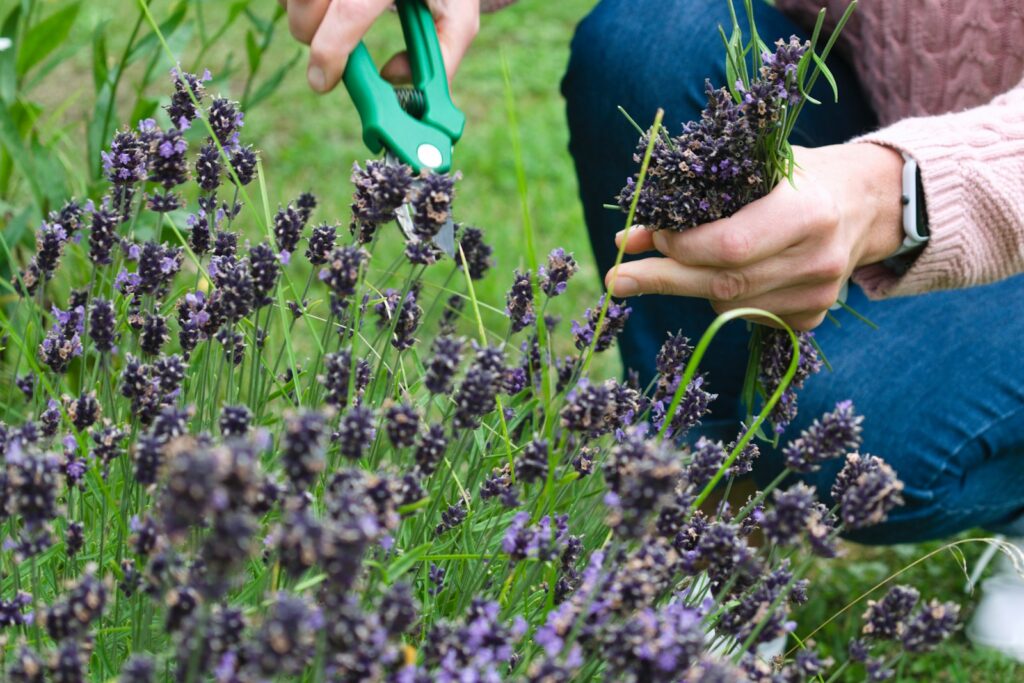
Pruning perennials before winter helps keep your garden healthy. Cut back old, dead growth to stop rot and reduce the chance of disease.
Use sharp, clean tools for smooth cuts. Trim perennials to just above the ground or healthy buds to encourage fresh growth in spring.
Some plants prefer pruning in late fall, while others wait until early spring. Check your plant types to make sure you’re pruning at the right time.
Common Challenges and How to Overcome Them
Winterizing your garden can have its challenges, especially with unpredictable weather or concerns about soil washing away.
Dealing With Unpredictable Weather
Winter weather can change fast, with surprise frosts or sudden warm spells. Use what you have at home, old sheets, blankets, or cardboard, to cover your beds when frost is coming.
Pile leaves or grass clippings on top of the soil for extra insulation. When it warms up, remove the covers so your plants don’t overheat.
Keeping an eye on the forecast helps you know when to add or remove these covers. This way, you can protect your garden without spending a cent.
Preventing Soil Erosion Naturally
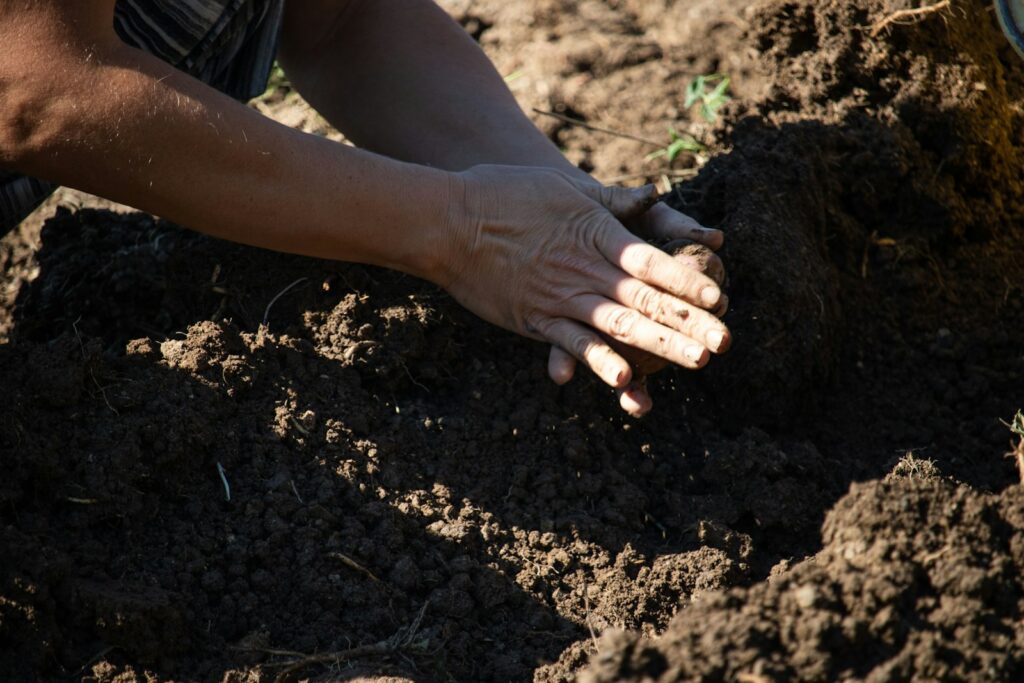
Winter rain and melting snow can quickly wash away precious topsoil. Many gardeners have watched their hard work disappear after a heavy storm.
Try spreading leaves, straw, or grass clippings over your garden beds. These natural materials act as a shield, helping to keep soil in place.
Planting fast-growing cover crops or hardy greens is another way to protect your soil. Their roots hold the dirt together and make it harder for water to carry it away.
If you cannot cover your beds, consider building small dirt ridges or digging shallow trenches around your garden. These can help direct water where you want it to go and slow down erosion.