Bigleaf and Oakleaf Hydrangeas Bloom on Old Wood, So Illinois Extension Says They Get Pruned Right After Flowering, Not in Fall
Not every hydrangea sets its flower buds at the same time, and that single fact decides whether a fall haircut is harmless or costs next summer’s blooms. Katie Parker, a local foods and small farms educator with University of Illinois Extension, sorts the shrubs into two camps: old-wood bloomers, which are pruned just after flowering, and new-wood bloomers, which are pruned in late winter or early spring.
Bigleaf and oakleaf hydrangeas belong to the first group, so fall is the wrong season to cut them. The rest of the family has its own schedule, and the extension guidance below follows each type in turn.
Bigleaf Hydrangeas Get Cut Right After the Flowers Fade
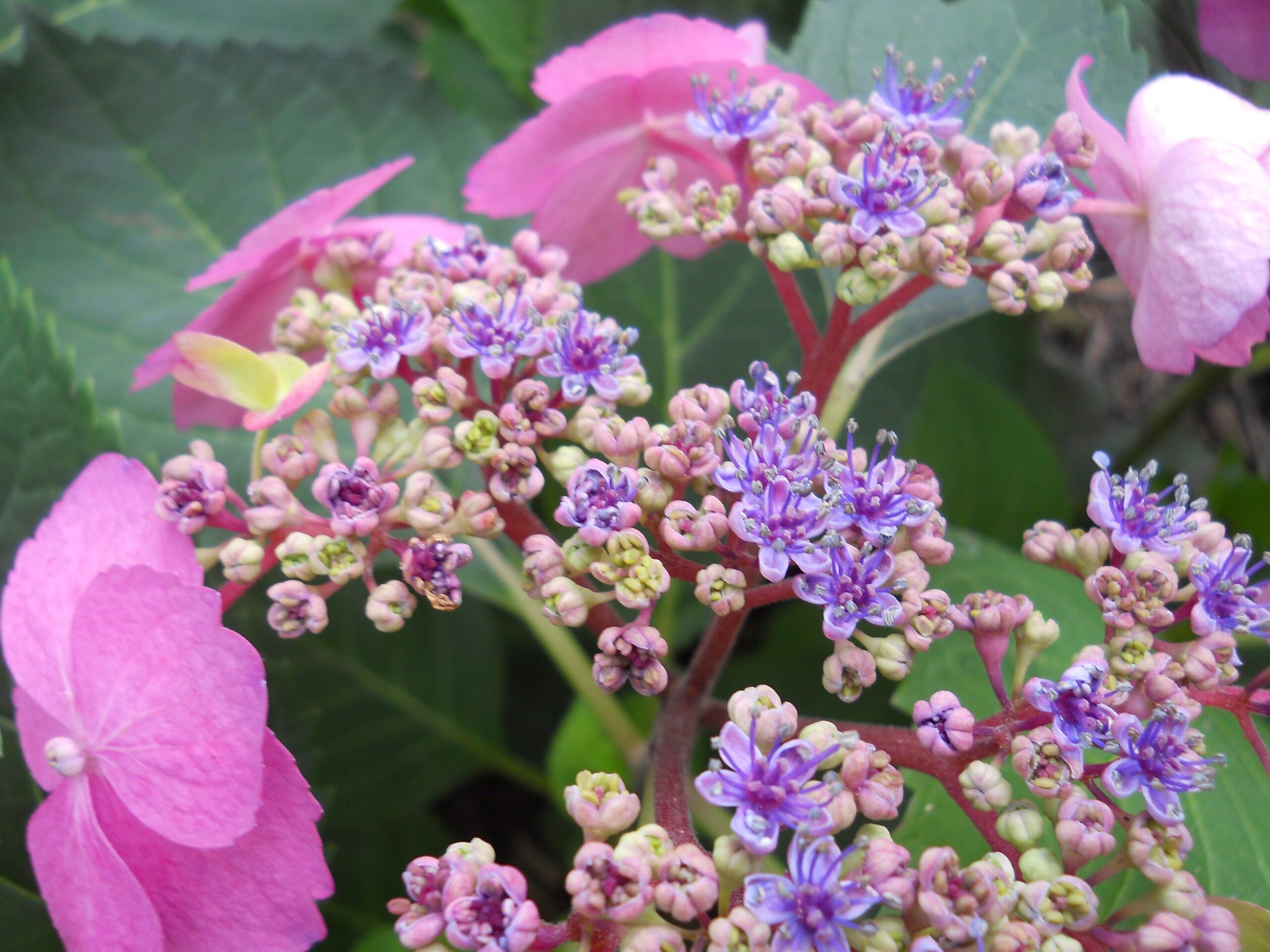
Bigleaf hydrangeas (Hydrangea macrophylla) bloom on old wood, according to Illinois Extension. Parker says to prune them just after flowering, and notes that flower color depends on soil pH, pink in alkaline soil and blue in acid soil.
Julie Weisenhorn of University of Minnesota Extension explains the timing. Bigleaf buds for next year’s flowers form in August and September, so pruning should come after blooming but before August, with heading cuts about 1/4 inch above a bud. The Clemson Cooperative Extension guidance by Andrew Jeffers adds a limit: remove no more than about one-third of the total growth.
A fall cut is where gardeners get into trouble. John Fox, a Fulton County Master Gardener Extension Volunteer, writes in a University of Georgia Extension guide that bigleaf hydrangeas set next year’s flower buds in late summer or early fall, and that pruning at the wrong time can remove those buds and reduce flowering. The guide gives oakleaf hydrangeas the same warning about removing next year’s buds.
Reblooming bigleaf varieties are the exception. Jeffers says the Endless Summer series should be cut right after the first flush of flowers, and Weisenhorn says Endless Summer types, including Blushing Bride, BloomStruck, Summer Crush and Twist ‘n’ Shout, bloom on old and new wood, so pruning will not cost flowers. Miri Talabac of the University of Maryland Extension cautions that mid-season pruning can shorten the reblooming period of these remontant types.
Weisenhorn adds a winter protection tip for bigleaf stems: a ring of hardware cloth 4 feet tall keeps rabbits from gnawing them.
Oakleaf Hydrangeas Are Trimmed Soon After the Early Summer Bloom
Oakleaf hydrangeas (Hydrangea quercifolia) also flower on old wood. Parker says to prune them immediately after flowering, and describes their blooms as starting cream or green before turning pink. Jeffers puts the job soon after the June bloom, and he frames it as a way to maintain size and shape.
The same fall caution applies. Fox’s guide says oakleaf hydrangeas, like bigleaf, are pruned immediately after flowering, typically in late spring or early summer, and that they bloom on old wood.
Mountain and Climbing Hydrangeas Need Very Little Pruning
Mountain hydrangeas (Hydrangea serrata) are compact and bloom on old wood. Parker says they need pruning only when size or shape calls for it, and then after flowering. Talabac groups mountain hydrangeas with bigleaf, oakleaf and climbing types as plants that set buds the previous summer and fall, so late pruning removes next year’s blooms.
Climbing hydrangeas bloom on old wood as well and can reach about 40 feet, Parker notes, with any pruning done after the flowers fade. Weisenhorn says the climbing type needs little to no pruning, only removal of dead wood, and Talabac says climbing types are not routinely pruned.
Panicle Hydrangeas Wait for Late Winter or Early Spring
Panicle hydrangeas (Hydrangea paniculata), such as Limelight, Berry White and Quick Fire, bloom on new wood. Parker says to prune them in late winter or early spring, and that up to one-third to one-half of the total shrub mass can come out. Jeffers agrees on late winter or early spring, while the shrub is dormant.
Fall pruning is possible here, but it is not preferred. Fox’s guide puts panicle pruning in late winter or early spring, before new growth begins. Weisenhorn says heading cuts just above a fat bud can be made in fall, late winter or spring, but the dry, tan flower heads provide winter interest, so she recommends waiting until late winter or spring. Talabac also advises avoiding pruning close to winter dormancy. For tree-form panicles, she says renewal pruning is only for returning the plant to a shrub shape with lower branches. Otherwise the trunks are not cut.
Late-winter pruning is a theme the site has covered before, in its February pruning guide.
Smooth Hydrangeas Can Be Cut Back Hard in Early Spring
Smooth hydrangeas (Hydrangea arborescens), the group that includes Annabelle, also bloom on new wood. Parker puts their pruning in late winter to early spring, with the same removal range as panicles. Jeffers says to prune just before new growth emerges, and Fox’s guide likewise places smooth hydrangeas in late winter or early spring, before new growth begins.
Weisenhorn adds two details. New plants should be left to grow for a season or two. Once established, they can be cut to the ground in spring for hard pruning, and gardeners who want a larger shrub can skip pruning, since flower buds form on the current season’s growth.
Talabac gives a height for the cut: about 12 inches above the ground for smooth, bigleaf and mountain hydrangeas, with oakleaf and panicle types cut at the same height or taller, especially the large varieties.
Parker lists insufficient sun, an early frost or incorrect pruning as the likely reasons hydrangeas fail to bloom. Since pruning is the one cause gardeners control, knowing which kind is growing in the yard is the first step before any cut is made.
Get stories like this by email. Sign up for The Parent Diaries Letter.
This article was produced with AI assistance and edited for accuracy against the sources linked above.
Image: Ірина Бучнєва – CC0/Wikimedia Commons