If You Deadhead Flowers Too Early in Spring, You Might Be Stopping New Growth Before It Starts
Deadheading is one of those gardening habits that feels automatic.
You see a fading flower, you remove it, and you expect the plant to respond by producing more blooms. It’s simple, satisfying, and in many cases, it works exactly as expected.
But timing matters more than most people realize.
And in early spring, deadheading too soon can actually slow down the very growth you’re trying to encourage.
What Deadheading Is Supposed to Do
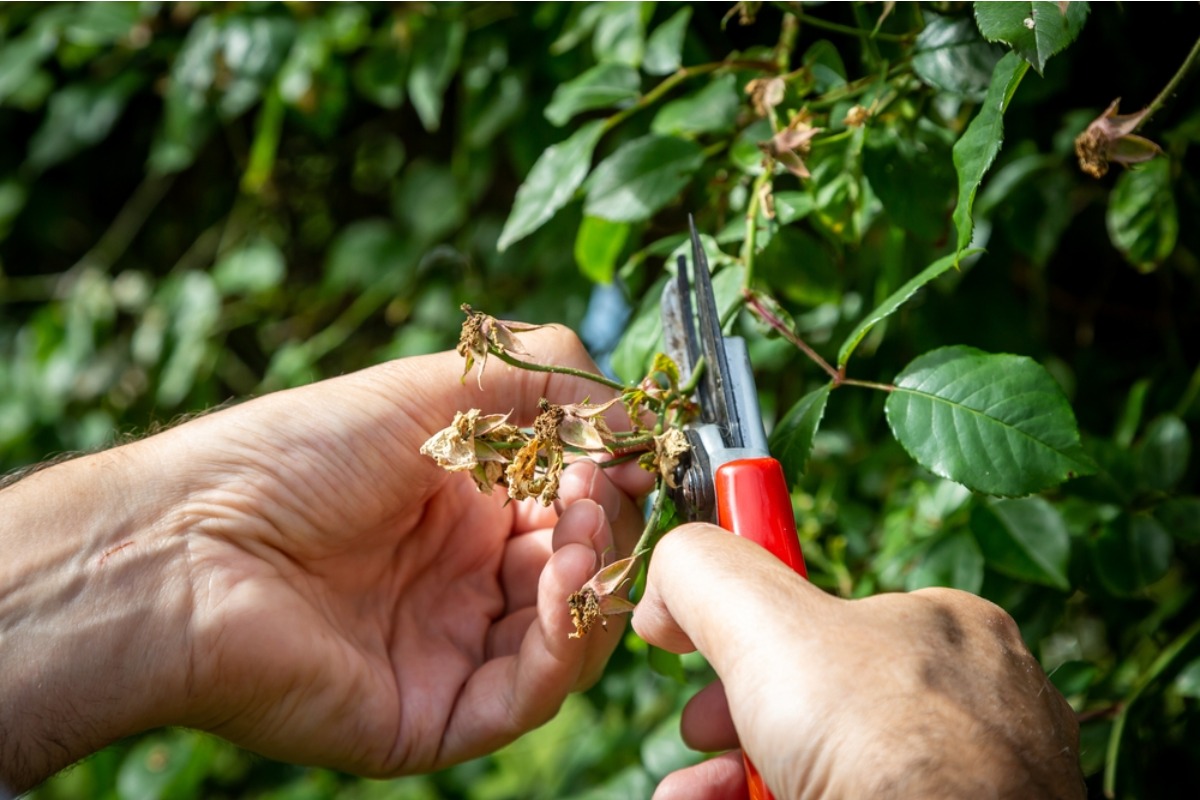
Deadheading is the process of removing spent flowers so the plant redirects its energy.
Instead of putting resources into seed production, the plant focuses on creating new blooms. It’s a way to extend flowering and keep plants looking healthy and active.
Later in the season, this works extremely well.
But early in spring, plants are still establishing themselves.
And that changes how they respond.
Why Early Spring Is Different
At the beginning of the season, plants are focused on building strength.
They’re developing roots, expanding leaves, and adjusting to new environmental conditions. Even flowering plants are still in a phase where growth matters more than repetition.
When you remove blooms too early, you interrupt that process.
Instead of allowing the plant to complete its natural cycle, you force it to redirect energy before it’s fully ready.
That can slow down overall development.
The Subtle Signs of Early Interference
Just like many early-season mistakes, the effects aren’t always immediate.
The plant doesn’t collapse. It doesn’t stop entirely. But it may grow more slowly than expected.
You might notice:
- Fewer new blooms
- Slower leaf growth
- A longer gap between flowering cycles
Everything feels slightly delayed.
And because deadheading is usually seen as a positive action, it’s not always the first thing gardeners question.
How Plants Use Their First Blooms
The first round of flowers in spring serves a purpose beyond appearance.
It helps signal the plant to transition into its full growing phase. It supports pollinators early in the season. And it allows the plant to complete a natural cycle that strengthens its overall development.
When that cycle is interrupted too soon, the plant has to adjust.
And that adjustment can cost time.
When Deadheading Actually Helps
Deadheading becomes more effective once the plant is established.
After it has:
- Developed a strong root system
- Produced consistent foliage
- Settled into stable growth
At that point, removing spent blooms encourages new ones without disrupting the plant’s foundation.
Timing it this way leads to fuller, more consistent flowering.
Why This Mistake Is Easy to Make
Deadheading is often taught as a general rule.
“Remove spent flowers and you’ll get more blooms.”
That’s true, but it doesn’t always account for timing.
In early spring, gardeners are eager to take action. The season is just beginning, and every step feels important. So removing fading blooms seems like the right move.
But sometimes, the best thing you can do is wait.
Letting Plants Set Their Rhythm First
Plants follow natural cycles.
When you allow them to complete those early cycles without interference, they tend to grow stronger and respond better later on.
That doesn’t mean ignoring maintenance completely.
It just means being selective about when you step in.
Instead of removing every early bloom, let the plant establish its rhythm. Watch how it grows. Let it build momentum.
Then adjust.
The Difference It Makes Over Time
When deadheading is timed correctly, plants:
- Produce more consistent blooms
- Maintain stronger growth
- Recover faster between flowering cycles
But when it’s done too early, everything feels slightly out of sync.
The plant isn’t failing. It’s just not performing at its full potential.
Why Early Patience Leads to Better Results
Spring is full of opportunities to get ahead.
But it’s also a time when doing less can sometimes lead to better results.
Deadheading is a powerful tool, but like most things in gardening, it works best when it’s used at the right moment.
Not just the right way.
The Takeaway Most Gardeners Learn Later
This is one of those lessons that often comes with experience.
At first, it feels like more action leads to better results. But over time, you start to see that timing matters just as much as effort.
Because in gardening, growth isn’t something you force.
It’s something you guide.
And sometimes, the best way to guide it is to wait until the plant is ready.