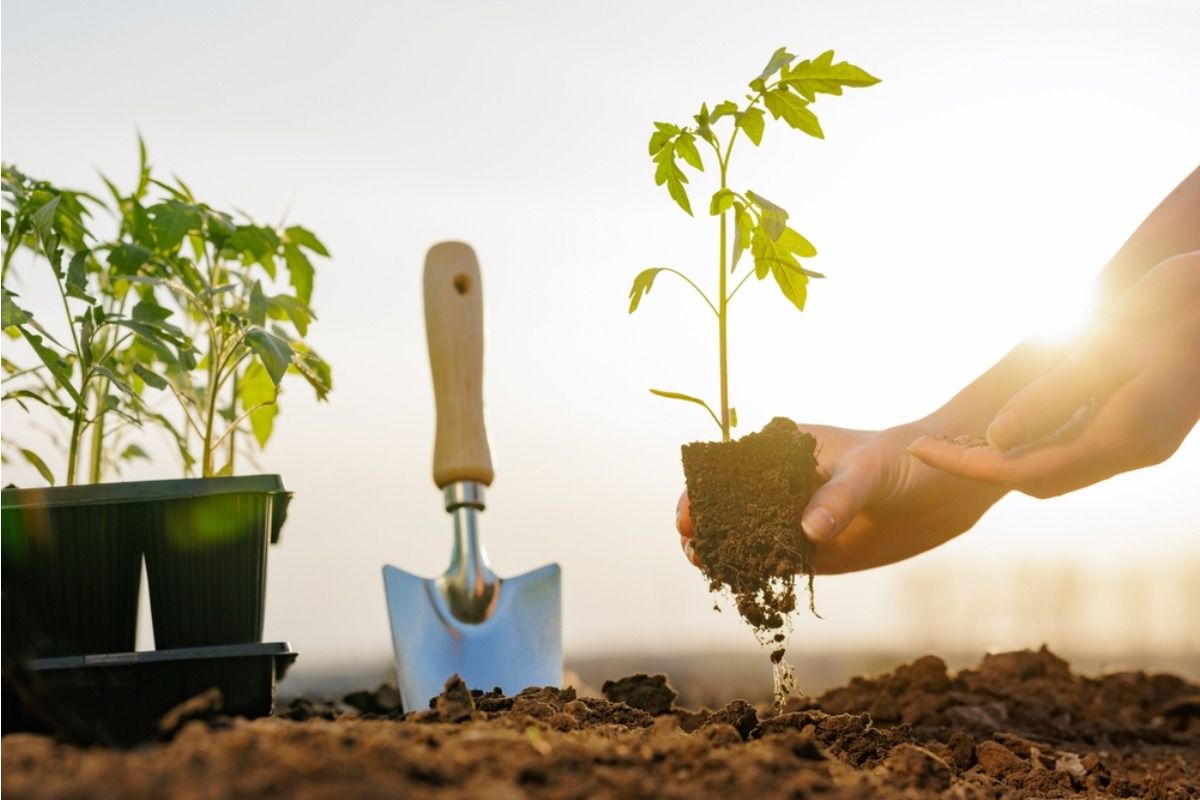
If You Move Tomato Seedlings Outside Too Soon, The Stress Can Slow Growth Even If They Don’t Die
Tomatoes are one of the most popular plants in any garden.
They’re reliable, rewarding, and for many people, the highlight of the entire growing season. So it’s no surprise that gardeners are eager to get them outside as soon as possible.
After weeks of starting seeds indoors and watching them grow, moving them outside feels like the next natural step.
It feels like progress.
But this is also where one of the most overlooked mistakes happens.
Because tomatoes are far more sensitive to early outdoor conditions than they appear.
And moving them outside too soon doesn’t always kill them. In fact, most of the time, they survive.
That’s what makes this mistake so deceptive.
They survive, but they don’t thrive.
Tomato seedlings that are exposed to outdoor conditions too early often experience what’s known as transplant stress. This happens when the plant is suddenly introduced to cooler temperatures, wind, and stronger sunlight without enough time to adjust.
Even if the weather feels mild, the change from indoor conditions to outdoor exposure is significant.
Indoors, plants are protected. The temperature is stable. There’s no wind. Light is consistent.
Outside, everything changes.
Temperatures fluctuate. Wind dries out leaves. Sunlight is more intense. And at night, temperatures can drop much lower than expected.
When tomato seedlings are exposed to this too quickly, their growth slows down.
Sometimes dramatically.
You might notice that they stop getting taller. The leaves may curl slightly. The plant may look like it’s just sitting there, not doing much.
And again, the key issue is that nothing looks obviously wrong.
The plant isn’t dying. It’s just not progressing.
This is what makes early transplanting so frustrating.
Because it feels like you’re doing the right thing. You’re moving your plants forward. But in reality, you’re creating a delay that can last for weeks.
Tomatoes are warm-season plants that need stable temperatures, especially at night.
If nighttime temperatures dip too low, even for a short period, it can interrupt their growth cycle. The plant shifts its energy toward survival rather than development.
That means slower root expansion, slower leaf growth, and delayed fruit production later on.
And just like with cucumbers, early setbacks affect the entire season.
Tomatoes that start strong tend to produce earlier and more consistently. Tomatoes that struggle early often take longer to recover and may produce less overall.
Another factor is something called hardening off.
This is the process of gradually introducing seedlings to outdoor conditions over several days or weeks. Instead of placing them outside all at once, you expose them to sunlight, wind, and temperature changes in stages.
Skipping this step is one of the main reasons tomato plants struggle after being moved outside.
Without hardening off, the shock is immediate.
Leaves can become stressed from direct sunlight. Moisture loss increases due to wind. And the plant doesn’t have time to adjust its structure to handle outdoor conditions.
Even strong seedlings can stall under these conditions.
So what’s the better approach?
Timing and transition.
Before moving tomato seedlings outside, it’s important to:
- Wait until nighttime temperatures are consistently warm
- Gradually increase outdoor exposure over several days
- Avoid placing them in full sun immediately
Starting with a few hours of morning light and slowly building up helps the plant adjust without stress.
It might feel slower, but it actually leads to faster growth in the long run.
Because once tomatoes are fully adapted to outdoor conditions, they grow aggressively.
They establish roots quickly, develop strong stems, and begin producing flowers sooner.
But only if they’re not set back early.
This is one of those mistakes that many gardeners make at least once.
Everything looks ready. The weather feels right. And the excitement of the season makes it hard to wait.
But tomatoes don’t respond well to being rushed.
They respond to stability.
And giving them the right start can make the difference between a slow, frustrating season and one where everything grows the way it should.
Sometimes the biggest mistake isn’t what you do wrong.
It’s just doing the right thing too soon.