If You Plant Cucumbers Too Early, One Cold Night Can Set Them Back Weeks Without You Realizing
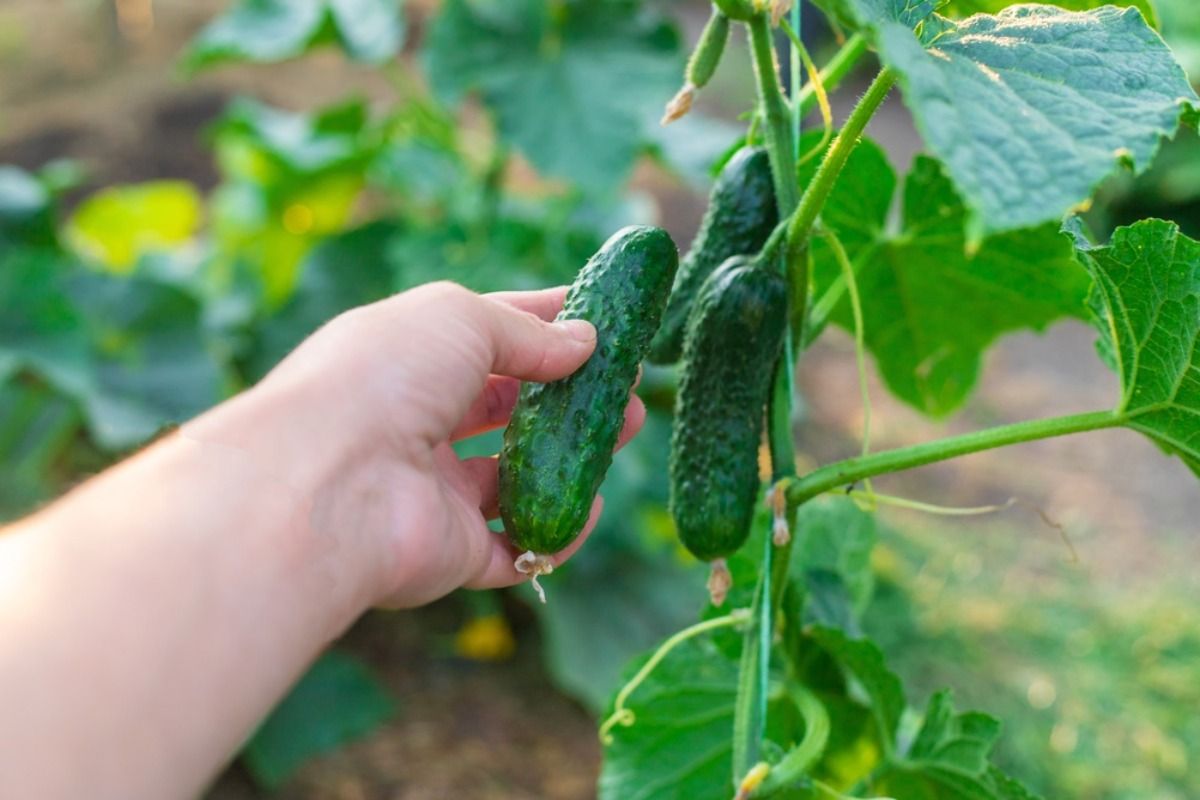
Cucumbers are one of those plants that seem easy at first.
They grow fast, produce a lot, and don’t usually need much attention once they get going. That’s why a lot of gardeners get excited early in the season and try to get them into the ground as soon as possible.
It feels like a head start.
The weather warms up, the sun is out, and everything looks ready. So you plant your cucumbers, thinking you’re getting ahead of the season.
But this is where one of the most common early-season mistakes happens.
Because cucumbers don’t just need warmth during the day. They need consistent warmth, especially overnight.
And that’s where things quietly go wrong.
Early spring weather is unpredictable. You might have several warm days in a row that make the soil feel ready, but all it takes is one cold night for cucumber plants to experience stress that can slow them down for weeks.
The tricky part is that the damage isn’t always obvious right away.
Unlike frost-sensitive plants that visibly wilt or die, cucumbers often react more subtly. The leaves may stay green. The plant may still look alive. But underneath the surface, growth has stalled.
That early shock can affect root development, which is critical during the first stages of growth.
When roots don’t establish properly, everything else slows down.
You might notice your cucumbers sitting still while other plants begin to take off. Weeks go by, and they’re still smaller than expected. They’re not climbing as quickly. They’re not producing the way they should.
And by the time you realize something is off, the opportunity to fix it early has already passed.
This is why timing matters so much with cucumbers.
They are warm-season plants that prefer soil temperatures consistently above about 60°F (15°C), and even more importantly, they don’t tolerate cold nights well. When nighttime temperatures dip too low, even briefly, it can interrupt their growth cycle.
A single cold night might not kill them, but it can absolutely set them back.
And in gardening, timing setbacks matter.
Because the growing season is limited. Losing even a couple of weeks early on can mean fewer cucumbers later, a shorter harvest window, and overall weaker plants.
That’s why experienced gardeners tend to wait longer than beginners expect.
Even if the daytime weather looks perfect, they pay close attention to overnight temperatures and soil warmth. They understand that early success isn’t about planting first. It’s about planting at the right time.
There’s also the issue of soil temperature versus air temperature.
Just because the air feels warm doesn’t mean the soil is ready. Soil takes longer to heat up, especially after winter. If you plant cucumbers into cold soil, the roots struggle immediately.
That stress compounds with cold nights, creating a situation where the plant never fully recovers its early momentum.
So what should you do instead?
The safest approach is to wait until:
- Nighttime temperatures are consistently mild
- Soil feels warm to the touch
- There’s no sudden cold snap in the forecast
Some gardeners also use black plastic or row covers to warm the soil ahead of planting, giving cucumbers a better start without rushing the timeline.
Another option is starting seeds indoors and transplanting later, but even then, timing the move outside is critical.
Because no matter how healthy your seedlings are, they can still be affected by early cold exposure.
This is one of those gardening lessons that often comes from experience.
At first, it’s tempting to plant early and hope for the best. But after seeing how much a small temperature drop can affect growth, most gardeners learn to be more patient.
And that patience pays off.
Because cucumbers that start strong tend to grow faster, climb better, and produce more consistently throughout the season.
In the end, it’s not about getting ahead.
It’s about not falling behind without realizing it.