If You Use Last Year’s Garden Layout Again, Changing Sunlight Patterns Could Be Affecting Growth More Than You Think
For many gardeners, reusing last year’s layout feels like the easiest choice.
If something worked before, it should work again.
The same plants go into the same spots. Beds are arranged the same way. Spacing stays consistent. It saves time, removes guesswork, and builds on what already seemed successful.
And in some cases, it works just fine.
But in others, something starts to feel off.
Plants don’t grow as evenly. Some areas perform better than others, even though they used to be consistent. Growth patterns shift, and certain sections of the garden seem slower or less productive without any obvious reason.
That’s when sunlight becomes a factor.
It’s easy to assume that sunlight stays the same from year to year.
But it doesn’t.
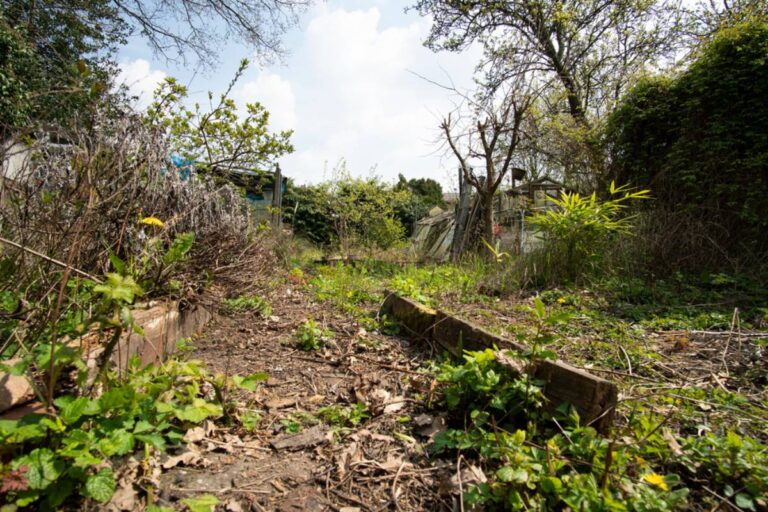
The angle of the sun changes slightly over time. Nearby trees grow and fill in. Structures cast different shadows depending on their condition and surroundings. Even subtle environmental changes can affect how light moves across a space.
And those small differences can have a noticeable impact on plant growth.
A spot that once received steady morning sun might now spend more time in partial shade. Another area might heat up more quickly than before, drying out faster and putting more stress on plants.
Because these changes happen gradually, they often go unnoticed.
Gardeners follow the same layout, expecting the same results, without realizing the conditions are no longer identical.
That mismatch is what leads to inconsistent growth.
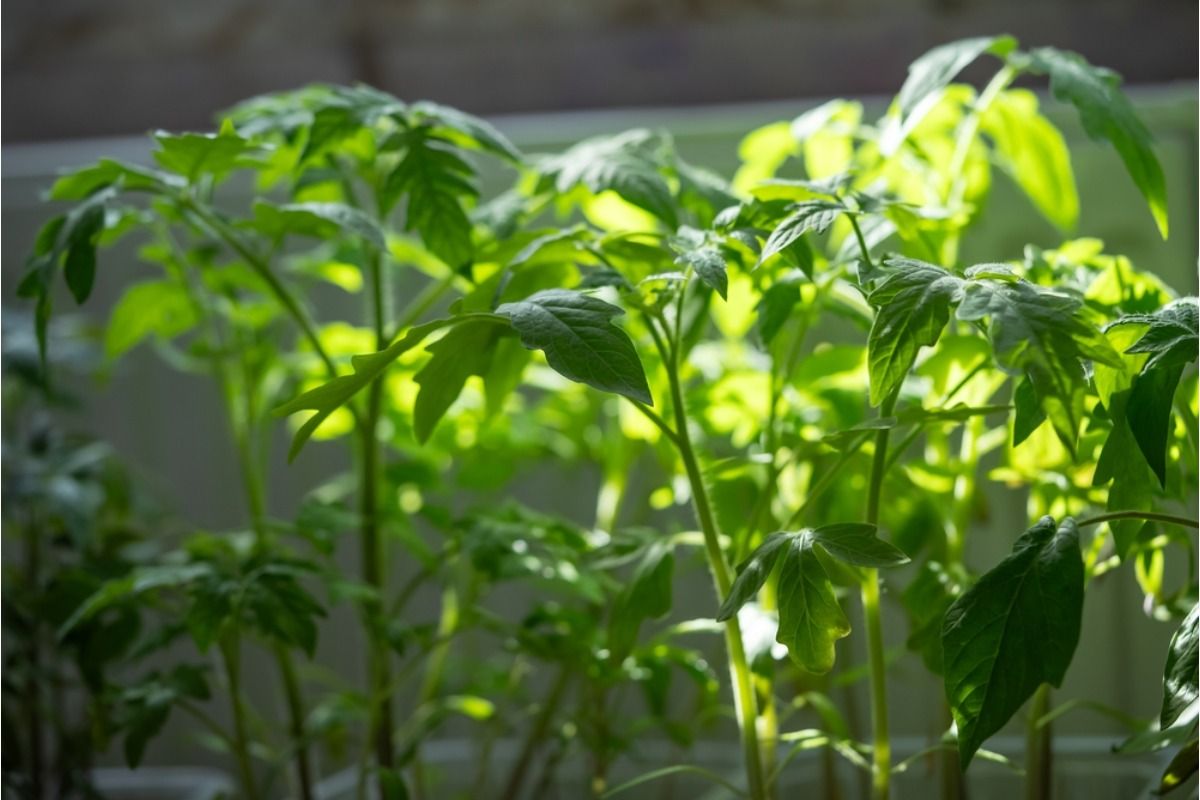
Plants are highly responsive to their environment. Even slight shifts in sunlight can affect how they develop, how quickly they grow, and how much they produce.
So when a layout is reused without adjustment, it can unintentionally place plants in conditions that no longer suit them.
The solution isn’t to completely redesign everything each year.
But it does mean paying attention.
Watching how light moves through the space. Noticing which areas warm up first, which stay shaded longer, and how different parts of the garden behave throughout the day.
Small adjustments can make a big difference.
Moving a plant a few feet into better light. Changing spacing to account for new growth patterns. Shifting certain crops into areas that better match their needs.
It’s not always obvious at first.
But over time, those changes help bring the garden back into balance.
Because even when nothing seems to have changed, the environment often has.
And sometimes, the reason a garden isn’t performing the same way it used to isn’t about what you’re doing differently.
It’s about what the space is doing differently around you.