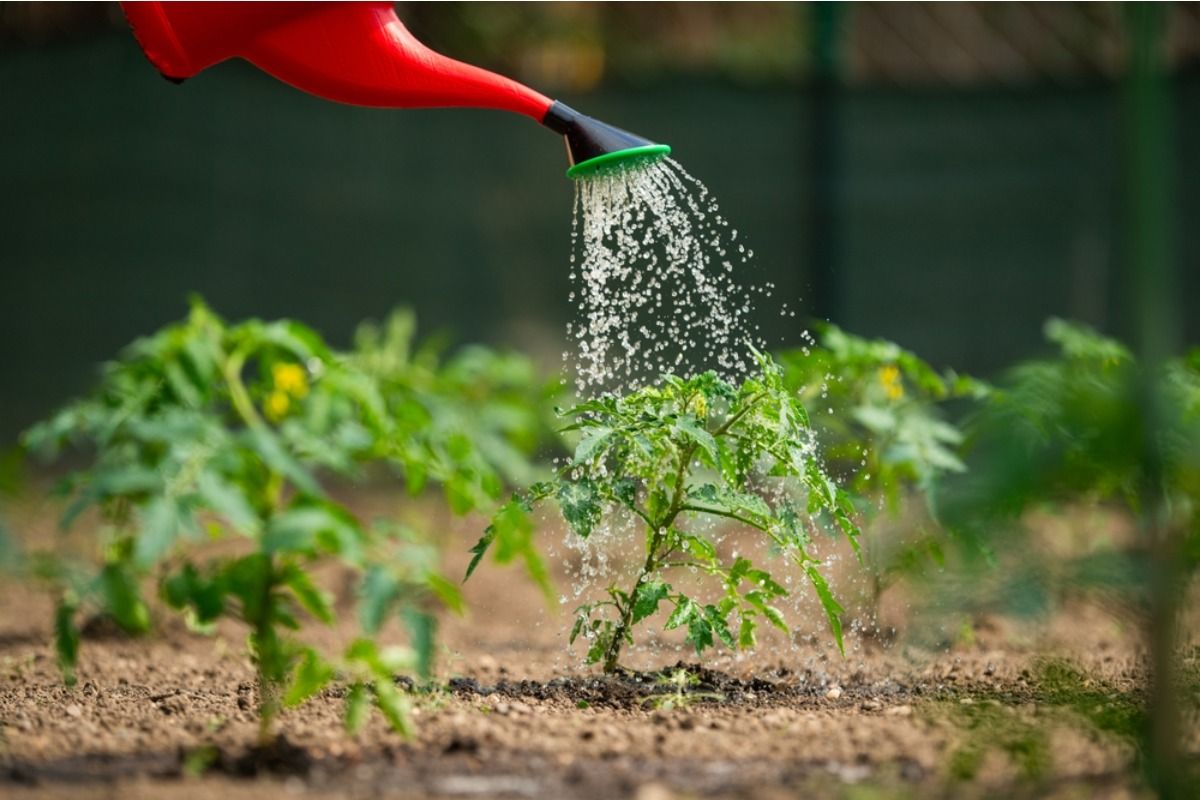
If You Water Tomato Plants Too Early in the Day, This One Common Habit Could Be Slowing Growth Without You Realizing
Watering your garden feels like one of the simplest parts of the process.
You wake up, head outside, and give your plants a good soak to start the day. It feels productive. It feels like you’re doing exactly what your garden needs.
And for many plants, that routine works just fine.
But with tomatoes, timing your watering the wrong way can quietly affect how well they grow, especially early in the season.
And most gardeners don’t realize it’s happening.
Why Tomatoes Respond Differently
Tomatoes are sensitive to consistency.
They don’t just need water. They need the right amount, delivered at the right time, in a way that supports steady growth.
When that balance is off, even slightly, it can affect everything from root development to fruit production later on.
And one of the most overlooked factors is when you water them.
What Happens When You Water Too Early
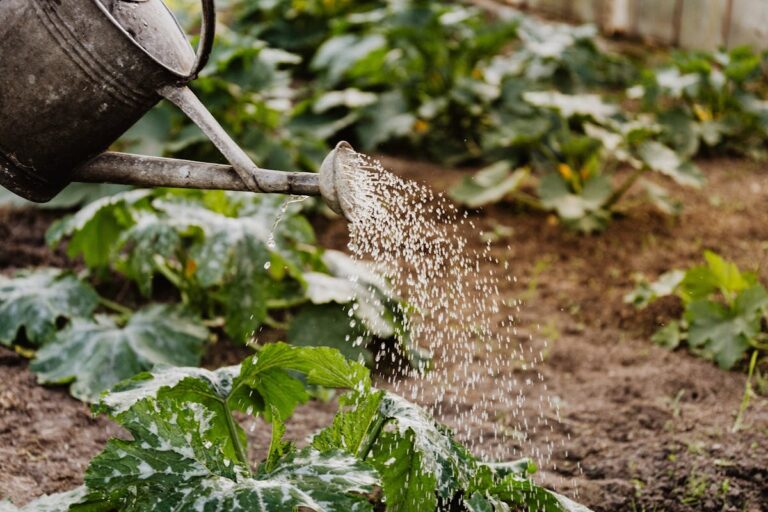
Watering first thing in the morning seems like the ideal choice.
The sun isn’t too strong yet. The air is cool. And it feels like you’re giving your plants a head start before the heat of the day.
But in early spring, conditions are different.
The soil is still warming up. Overnight moisture may still be present. And temperatures haven’t fully stabilized.
When you add water too early, especially in cooler conditions, the soil can stay damp longer than it should.
That slows down how quickly roots warm up and begin active growth.
Why Soil Temperature Matters More Than You Think
Tomato roots need warmth to function properly.
When soil stays cool and wet for too long, roots become less active. They absorb nutrients more slowly. Growth above the soil slows down as a result.
The plant might still look healthy.
But it doesn’t take off the way you expect.
You may notice:
- Slower vertical growth
- Leaves that look slightly dull
- A delay in flowering
And because watering feels like the “right” thing to do, it’s rarely the first thing people question.
The Moisture Trap That Slows Everything Down
Early in the season, mornings often come with natural moisture already present.
Dew, cooler air, and reduced evaporation all contribute to soil staying damp longer than it would later in the summer.
When you water on top of that, you can unintentionally create a cycle where the soil never fully dries out between waterings.
Tomatoes don’t respond well to that.
They prefer a balance where the soil has time to dry slightly before being watered again.
That drying cycle encourages roots to grow deeper and stronger.
Without it, roots stay shallow and less efficient.
Why This Doesn’t Show Up Right Away
Just like many gardening mistakes, this one builds over time.
The plant doesn’t suddenly fail.
Instead, it grows more slowly than expected. It lags behind other plants. It takes longer to reach key stages like flowering and fruiting.
And by the time you notice, it’s already been happening for weeks.
That early delay can affect your entire harvest timeline.
When Watering Works Best
As the season progresses and temperatures rise, morning watering becomes more effective.
Warmer soil and faster evaporation help balance moisture levels.
But early in the season, slightly later watering can sometimes produce better results.
Waiting until the soil has had time to warm up allows water to be absorbed more efficiently.
It also reduces the chance of prolonged dampness around the roots.
How to Adjust Without Overthinking It
You don’t need to completely change your routine.
Small adjustments can make a noticeable difference.
Instead of watering immediately in the early morning, consider:
- Letting the sun warm the soil slightly first
- Checking moisture levels before adding more water
- Allowing the top layer of soil to dry between waterings
These small changes help create a more balanced environment for root growth.
The Bigger Impact on Your Season
Tomatoes are a long-season crop.
What happens early affects everything that comes later.
Plants that establish strong roots early tend to grow faster, produce more flowers, and yield better fruit over time.
Plants that struggle early often take longer to recover.
Even if conditions improve, they’re still catching up.
Why This Mistake Is So Common
It feels logical to water early.
It fits into a routine. It feels proactive. And it’s often recommended in general gardening advice.
But general advice doesn’t always account for early-season conditions.
And that’s where small timing mistakes can have a bigger impact than expected.
The Takeaway Most Gardeners Learn Over Time
Gardening isn’t just about what you do.
It’s about when you do it.
Watering is essential. But timing it based on conditions, not just habit, is what leads to better results.
Because sometimes, doing the right thing at the wrong time can slow everything down.
And in a growing season that’s already limited, those small delays add up.