If Your Plants Keep Drooping Even After Watering, Something Else Is Going Wrong
It feels like one of the easiest problems to solve.
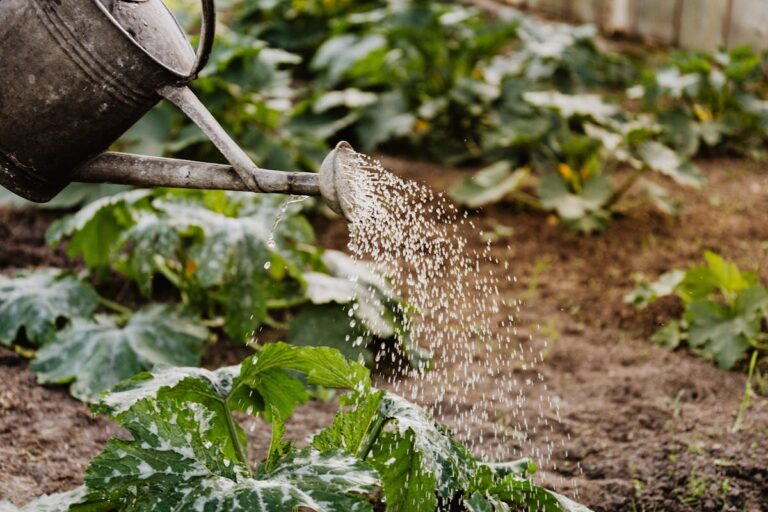
You walk outside or check your plants and notice the leaves are drooping. They look soft, tired, and slightly collapsed. The natural instinct is immediate.
They need water. So you water them. And then you wait.
But hours later, sometimes even the next day, nothing has changed. The plant still looks just as droopy, maybe even worse. That is the moment where confusion sets in.
Because if water fixes drooping, why is it not working this time?
The answer is something many gardeners do not expect.
Drooping Is Not Always About Thirst
One of the biggest misconceptions in gardening is that drooping always means a plant needs water.
While that can be true, drooping is actually a general stress signal. It is how a plant shows that something is interfering with its ability to move water through its system.
That is a very important distinction.
Because if the plant cannot move water properly, adding more water will not solve the problem. In some cases, it will make things worse.
What Is Actually Happening Inside the Plant
For a plant to stay upright, it relies on internal water pressure. This is called turgor pressure.
When roots absorb water, that water moves upward through the plant and keeps the leaves firm and supported.
If something disrupts that flow, the leaves lose structure and begin to droop.
So the real question is not whether water is present in the soil.
The question is whether the plant can actually use it.
The Most Common Hidden Cause
In many cases, the issue is root stress.
Roots are responsible for absorbing water and nutrients. If they are damaged, suffocated, or overwhelmed, they cannot function properly.
This creates a situation where the soil may be wet, but the plant is still acting like it is dehydrated.
That is why watering again does not fix it.
What Causes Root Stress
Root stress can happen in several ways, and most of them are surprisingly common.
Overwatering is the biggest one.
When soil stays wet for too long, it pushes out oxygen. Roots need oxygen just as much as they need water. Without it, they begin to weaken and lose function.
Poor drainage is another major factor.
If a pot or garden bed does not allow excess water to escape, moisture builds up around the roots. This creates the same problem as overwatering, even if you are not watering frequently.
Temperature swings can also contribute.
Cold soil slows down root activity. Sudden changes in weather can shock the plant and disrupt how it absorbs water.
Why Watering Makes It Worse
When a plant is drooping, adding water feels like the logical solution.
But if the roots are already stressed, more water only increases the pressure on them.
Instead of helping, it deepens the problem.
This is why some plants look worse after being watered again.
How to Tell If This Is Your Issue
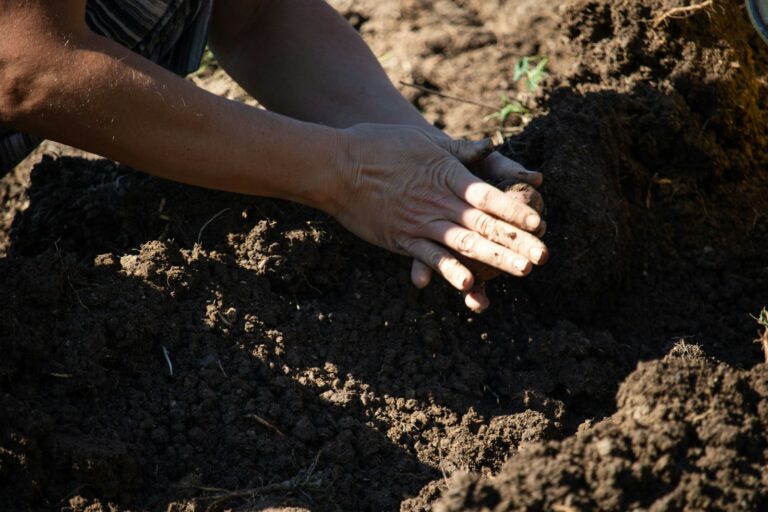
Before you do anything else, check the soil.
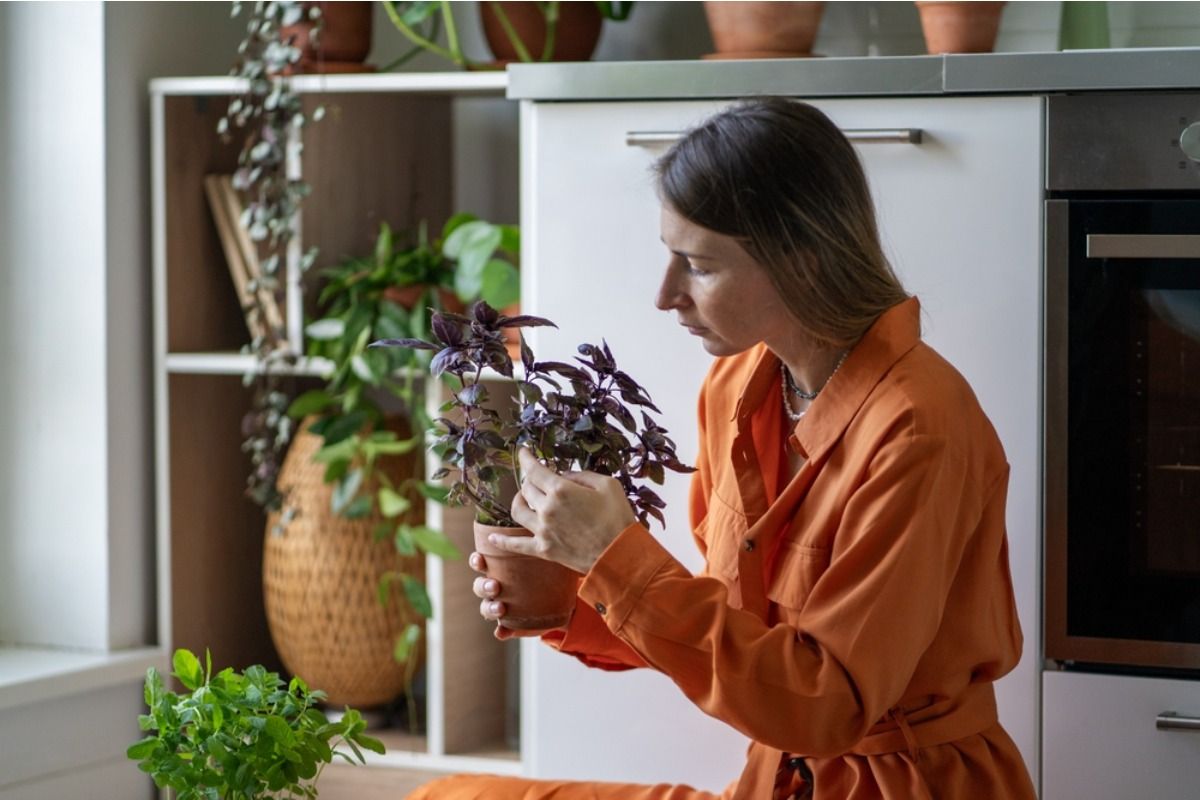
Stick your finger into the soil about an inch or two down. If it feels damp or wet, your plant does not need more water.
Also look at how long the drooping has lasted.
If the plant has remained droopy even after watering, that is a strong sign that the issue is not dehydration.
You can also look at the leaves more closely.
If they are soft and limp rather than dry and crispy, the problem is likely related to root stress rather than lack of water.
What You Should Do Instead
The best first step is to stop watering.
Let the soil dry out slightly so the roots can recover. This allows oxygen to return to the root zone and helps restore function.
Make sure your container or garden bed has proper drainage. Water should never sit at the bottom.
If your plant is in a pot, check that the drainage holes are not blocked.
You may also want to gently loosen the top layer of soil to improve airflow.
When You Will Start to See Improvement
Once the roots begin to recover, the plant can start moving water properly again.
This is when you will see the leaves begin to lift and regain structure.
In many cases, this happens faster than expected once the conditions improve.
However, patience is important.
Trying to fix everything at once can stress the plant further.
Why This Happens So Often
This is one of the most common mistakes in gardening because it comes from good intentions.
People see a drooping plant and want to help immediately.
Water feels like the safest and most natural response.
But without checking the soil first, it is easy to misread the situation.
The Habit That Prevents This Entire Problem
The most effective habit you can build is simple.
Always check the soil before watering.
Do not rely on how the plant looks alone. The soil tells you what the plant actually needs.
Once you start doing this consistently, you will avoid one of the biggest pitfalls in gardening.
The Bigger Takeaway
Drooping is not just a signal to act.
It is a signal to observe.
When you understand what your plant is really telling you, your response becomes more accurate.
And that is what leads to healthier, stronger plants over time.