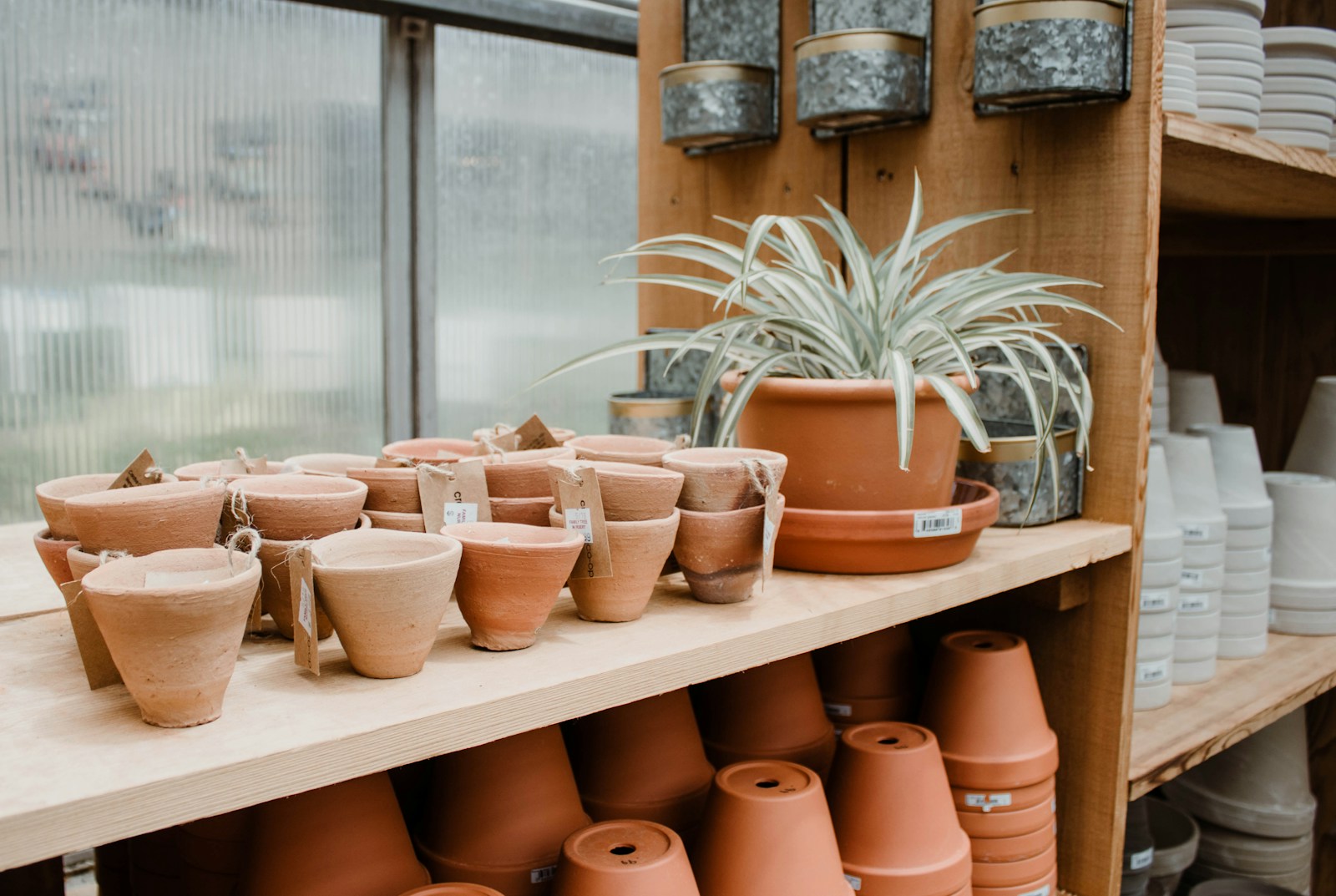
If Your Terracotta Pots Dry Out Faster in Spring, This Could Be Why
As spring rolls in, many gardeners are dusting off their terracotta pots, eager to bring life to their outdoor spaces. However, if you’ve noticed that your terracotta pots are drying out faster than usual this season, you’re not alone. Understanding the reasons behind this phenomenon can help you better care for your plants and improve your gardening experience.
The Nature of Terracotta
Terracotta pots are beloved among gardeners for their rustic aesthetic and breathability, which promotes healthier root growth. However, this very porosity also means that terracotta can absorb moisture from the soil, leading to quicker drying times. This characteristic is particularly noticeable in spring when temperatures rise, and evaporation rates increase.
Spring Weather Patterns
The shift from winter to spring brings fluctuating temperatures and varying weather conditions. In many regions, particularly in the USDA zones 5-8, spring can start with cool, damp days that suddenly shift to warmer, sunnier weather. When these sunny days arrive, they can cause the soil in your terracotta pots to dry out much faster than it did during the cooler months.
In addition, if you live in an area that experiences windy conditions during spring, this can exacerbate the drying effect. Wind can significantly increase evaporation rates, drawing moisture out of the soil and leaving your plants thirsty.
Insufficient Watering Techniques
One common mistake many gardeners make is watering their plants insufficiently when they first move them outside in spring. After a long winter indoors, plants need time to adjust to outdoor conditions. During this acclimatization period, they require consistent moisture to thrive. If you’re noticing that your pots are drying out too quickly, consider the following watering techniques:
1. Check Soil Moisture Regularly: Stick your finger about an inch into the soil; if it feels dry, it’s time to water. Alternatively, use a moisture meter for more accurate readings.
2. Deep Watering: Instead of giving your plants a quick splash of water, aim for deep watering. This encourages roots to grow deeper into the soil, making them less susceptible to drying out.
3. Watering Schedule: Establish a regular watering schedule, especially during the early weeks of spring. As temperatures rise, you may need to adjust this based on the weather.
Soil Composition
The type of soil you use in your terracotta pots can also affect how quickly it dries out. A lightweight mix that drains well is essential for container gardening, but if your soil is too sandy, it may not retain enough moisture. Conversely, if it’s too dense, it could retain water and lead to root rot.
To achieve the perfect balance, consider amending your potting soil with organic matter, such as compost or well-rotted manure. This not only helps retain moisture but also provides your plants with essential nutrients.
Consider Pot Size and Plants
The size of your terracotta pots in relation to the plants you are growing is another factor to consider. Smaller pots will dry out faster than larger ones simply because they have less soil to retain moisture. If you’re using small pots, make sure to monitor their moisture levels more closely.
Additionally, consider the water needs of your plants. Some plants, like succulents and cacti, prefer drier conditions, while others, such as ferns and tropical plants, thrive in consistently moist soil. Choose pots that correspond to the watering needs of your plants to avoid inconsistent moisture levels.
The Benefits of Mulching
One effective way to combat rapid moisture loss in terracotta pots is to add a layer of mulch on top of the soil. Organic mulches, such as shredded bark or straw, can help retain soil moisture and regulate temperatures. They act as a barrier against evaporation, allowing your plants to access water for a longer period.
Mulching also has the added benefit of suppressing weed growth, which can compete with your plants for moisture and nutrients.
Seasonal Adjustments
As spring transitions to summer, you might need to adjust your care routine. Increased temperatures and longer days mean that your plants will require more water. As you observe the changing conditions, be proactive in adapting your watering practices.
Consider grouping plants with similar water needs together and placing pots in locations that provide some afternoon shade, especially for more delicate species. This can help mitigate moisture loss during the hottest parts of the day.
Final Thoughts
If your terracotta pots are drying out faster than expected this spring, don’t worry. By understanding the factors at play—such as weather changes, watering techniques, and soil composition—you can take actionable steps to keep your plants happy and healthy.
Remember, gardening is a learning process, and each season presents new challenges. With a little attention and care, you can ensure that your terracotta pots remain vibrant and your plants thrive throughout the spring and beyond. Happy gardening!