Is Your Aloe Vera Flopping? Here’s Why and How to Fix It!
Aloe vera plants are beloved for their hardy nature and myriad uses, but many gardeners find themselves frustrated when their aloe begins to flop over. If your aloe is looking more like a sad, drooping mess than a proud succulent, don’t worry—you’re not alone. This article will explore the common reasons behind an aloe’s flop and provide practical solutions to help your plant thrive.
Understanding Aloe Vera’s Needs
Before diving into the reasons behind an aloe vera that won’t stand tall, it’s essential to understand what these plants need to flourish. Aloe vera thrives in bright, indirect sunlight and well-draining soil. They prefer to be slightly root-bound in their pots and don’t need excessive watering. Understanding these basic requirements will help you troubleshoot any issues more effectively.
Common Reasons for Flopping Aloe
1. Insufficient Light
One of the most common reasons your aloe vera might be flopping is due to inadequate light. While these resilient plants can tolerate low light for a short period, they thrive best in bright, indirect sunlight. If your aloe is stretching toward the light source, it may indicate that it’s not getting enough sunlight, causing the stems to elongate and weaken.
Fix: Move your aloe to a brighter location, ideally a spot where it can receive six hours of indirect sunlight per day. If it’s outdoors, consider placing it under a tree or next to a window with filtered light.
2. Overwatering
Aloe vera plants are succulents, which means they store water in their leaves. One of the most significant mistakes new gardeners make is overwatering their aloe. When the roots sit in waterlogged soil, they can rot, leading to a weak plant structure that can’t support the weight of its leaves.
Fix: Allow the top inch of soil to dry out completely between waterings. A good rule of thumb is to water your aloe every two to three weeks during the growing season (spring and summer) and reduce watering in the fall and winter. Ensure that your pot has drainage holes to prevent water from accumulating at the bottom.
3. Pot Size and Soil Type
Aloe vera plants prefer to be slightly root-bound, but if they are in a pot that is too small, they may not have enough space for their roots to grow, leading to instability. Additionally, using the wrong type of soil can hinder drainage and cause roots to rot.
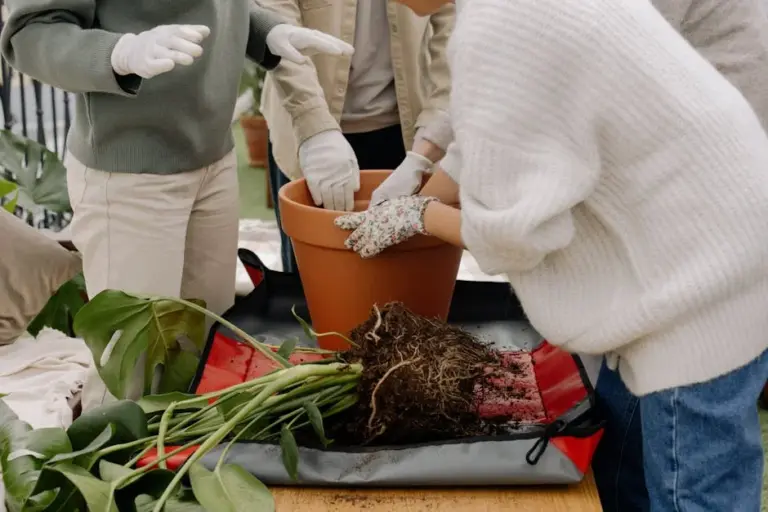
Fix: Repot your aloe in a slightly larger pot with well-draining cactus or succulent soil. Ensure the new pot has drainage holes to allow excess water to escape. Repotting is best done in the spring as the plant begins its active growth period.
4. Temperature Extremes
Aloe vera plants are native to warm climates and are sensitive to temperature fluctuations. If your plant is exposed to drafts, sudden temperature changes, or is placed in an area where temperatures drop below 50°F (10°C), it may become stressed and flop over.
Fix: Keep your aloe in a location where temperatures remain consistent, ideally between 60°F to 75°F (15°C to 24°C). If you’re growing your aloe outdoors, be mindful of nighttime temperatures and bring it inside if frost is expected.
5. Pests and Diseases
While aloe vera is generally pest-resistant, issues can arise with mealybugs, aphids, or fungal infections. Infestations can weaken the plant and lead to drooping leaves.
Fix: Regularly inspect your plant for signs of pests, including sticky residues or webbing. If you spot any pests, treat your aloe with insecticidal soap or neem oil. For fungal issues, ensure that your plant has good air circulation and avoid overhead watering.
6. Nutrient Deficiencies
If your aloe hasn’t been fertilized in a while, it may not be getting the nutrients it needs to grow strong and healthy. Nutrient deficiencies can lead to weak, floppy leaves.
Fix: Use a diluted, balanced fertilizer designed for succulents during the growing season. Fertilizing once every month or two should suffice. Be cautious not to over-fertilize, as this can also damage your plant.
Rehabilitation Steps for Your Floppy Aloe
If your aloe is already flopping, here are some steps you can take to rehabilitate it:
Staking: If the leaves are too heavy and the plant is flopping, you can gently stake the plant using a bamboo skewer or a small stake. Make sure to insert it carefully to avoid damaging the roots.
Light Adjustment: Move the plant to a brighter location as mentioned above, ensuring it gets the right amount of indirect sunlight.
Watering Adjustment: Assess your watering schedule and allow the plant to dry out more between waterings. Consider reducing frequency if you suspect overwatering.
Repotting: If you suspect root rot or inadequate pot size, consider repotting your aloe in fresh soil, ensuring proper drainage.
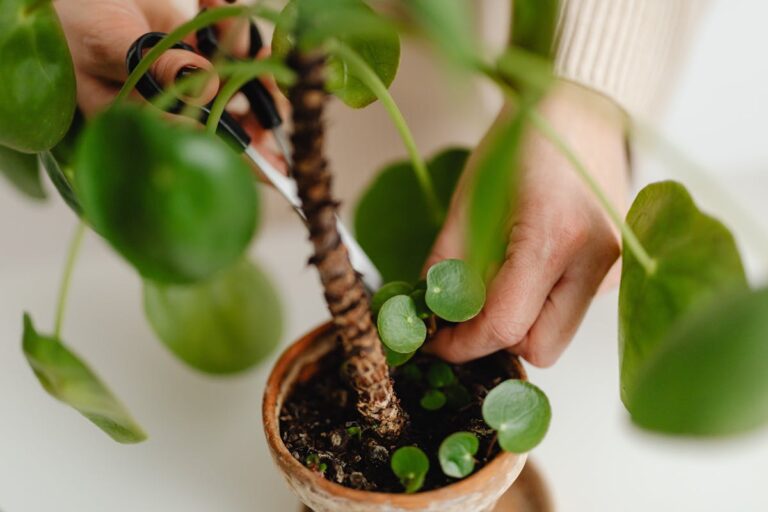
Pruning: Trim away any dead or severely floppy leaves at the base using clean, sharp scissors. This will help the plant focus its energy on new growth.
With the right care and attention, your aloe vera can bounce back from its floppy state and continue to thrive in your garden or home. Remember to regularly observe your plant, adjust its environment as needed, and enjoy the process of nurturing this resilient succulent!