Is Your Houseplant Sanctuary Suffering? The Hidden Stressor Lurking in Your Home
Houseplants bring life, color, and a sense of tranquility into our homes. They can transform any space into a vibrant oasis, but what if I told you that there’s a sneaky little stressor right under your nose that could be impacting their health? That’s right! The one spot in your home that’s slowly stressing every houseplant could be as simple as the window sill or your cozy living room. Let’s explore how certain locations in your home can create less-than-ideal environments for your leafy companions and what you can do to ensure they thrive.
The Window Dilemma
Many plant parents instinctively think of window sills as the best place for their houseplants. After all, they provide natural sunlight, which is essential for photosynthesis. However, not all windows are created equal. The amount of light that reaches your plants can vary significantly based on several factors, including the direction the window faces, the type of glass, and even the season.
In the northern hemisphere, south-facing windows typically offer the most sunlight throughout the day, making them ideal for sun-loving plants like succulents and cacti. However, this location can also lead to overheating, especially during the summer months. If your plants are near a south-facing window, keep an eye out for signs of stress, such as leaf scorch or wilting. To remedy this, consider using sheer curtains to diffuse the intense sunlight during peak hours or relocate your plants to a spot that receives bright, indirect light.
North-facing windows, on the other hand, provide much less light and are better suited for shade-loving plants like ferns and peace lilies. If you find that your plants aren’t thriving near a north-facing window, you may want to supplement their light with a grow light, especially during the shorter days of winter.
Humidity Levels Matter
Another crucial factor that is often overlooked is humidity. Most houseplants originate from tropical environments where humidity levels are high. If you live in a dry climate or rely on heating during the winter, the air in your home may become excessively dry, leading to stressed plants.
Plants like orchids, ferns, and calatheas thrive in humidity levels of 50% or higher. If the air in your home is below this threshold, you might see browning leaf tips, stunted growth, or increased susceptibility to pests. To improve humidity levels, consider using a humidifier, grouping plants together to create a microclimate, or placing a tray filled with water and pebbles near your plants (just ensure the pots are not sitting directly in the water).
Temperature Fluctuations
Beyond light and humidity, temperature fluctuations can also contribute to plant stress. Houseplants are sensitive to sudden changes in temperature, especially drafts from windows and doors, or proximity to heating vents or air conditioning units. Most houseplants prefer temperatures between 65°F and 75°F (18°C to 24°C) during the day and should not be exposed to temperatures below 50°F (10°C) at night.
To create a stable environment for your plants, keep them away from any drafts and maintain a consistent temperature. It’s also wise to avoid placing them too close to heat sources or air conditioning units, which can cause rapid temperature changes that may shock your plants.
Pest Infestations
Another hidden stressor could be lurking in the shadows—pests. Common houseplant pests such as spider mites, aphids, and mealybugs can wreak havoc on your plants if not addressed promptly. These pests thrive in environments where the air is dry and stagnant, making places like window sills or corners of rooms ideal breeding grounds.
Regularly inspect your plants for signs of pest infestations, including discolored or sticky leaves, webbing, or visible insects. If you spot any of these signs, act quickly. You can often remove pests by simply washing your plants with a gentle stream of water or using insecticidal soap. For severe infestations, consider quarantining the affected plants to prevent the spread of pests to your other houseplants.
Soil and Drainage Issues
Lastly, let’s not overlook the importance of soil and drainage. The type of potting mix you use can significantly impact your plant’s health. Poor drainage can lead to root rot, which is a common issue for houseplants kept in pots without proper drainage holes. Always choose a well-aerated potting mix suitable for your specific plants, and ensure that your pots have drainage holes.
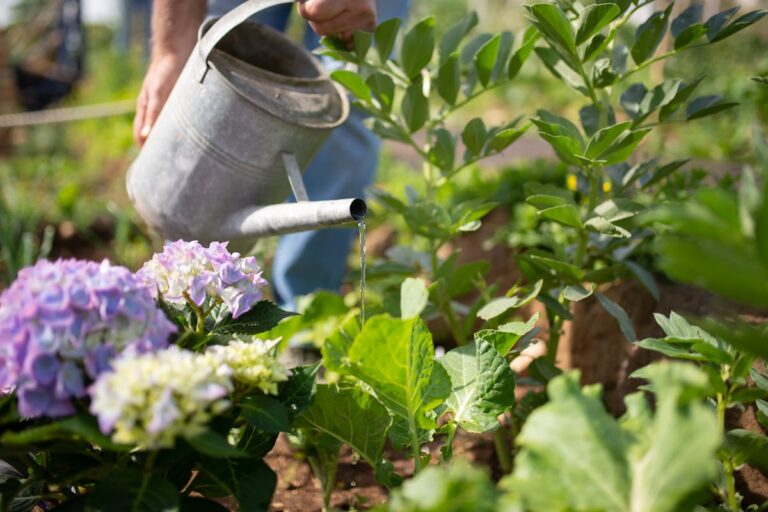
When watering your plants, it’s essential to follow the “less is more” philosophy. Overwatering is a leading cause of houseplant stress and death. Make sure to allow the top inch of soil to dry out before watering again, and always check the moisture level using your finger or a moisture meter. Remember that different plants have different water needs; succulents and cacti prefer drier conditions, while tropical plants may require more frequent watering.
Final Thoughts
Houseplants can be incredibly forgiving, but they do require a bit of attention to detail to thrive. By being mindful of their environment—considering factors like light, humidity, temperature, and potential pests—you can create a sanctuary that nurtures their growth. Remember, a little bit of care goes a long way in ensuring your leafy friends flourish. So take a close look at your home, and make the necessary adjustments to keep your houseplants happy and healthy!