Is Your January Routine Hurting Your Houseplants? Common Mistakes to Avoid

As the winter chill sets in across North America, many gardeners retreat indoors, content to nurture their houseplants through the cold months. However, even the most dedicated plant parents may unknowingly adopt habits in January that can jeopardize their leafy companions. Master gardeners have identified several common mistakes that can leave houseplants struggling to survive during this crucial time. Here’s what you need to know to ensure your indoor garden thrives all winter long.
Understanding Winter Plant Care
Winter can be a challenging season for houseplants, as they often experience lower light levels, fluctuating temperatures, and dry indoor air. These conditions can lead to stress in plants that are already in a dormant phase. As a result, it’s essential to adjust your care routine to accommodate these changes.
1. Overwatering: A Common Misstep
One of the most common mistakes gardeners make in January is overwatering. With lower light levels and cooler temperatures, houseplants typically require less water during the winter months. It’s essential to check the soil moisture before watering; if the top inch or so of soil feels dry, it’s time to give your plant a drink. Conversely, if the soil still feels damp, hold off on watering to prevent root rot, which is especially prevalent in winter.
To help gauge your plant’s watering needs, consider using a moisture meter or simply sticking your finger into the soil. Remember, it’s always better to underwater than overwater during this time.
2. Ignoring Humidity Levels
Indoor heating systems can dry out the air significantly, creating an inhospitable environment for many houseplants that thrive in higher humidity levels. Plants such as ferns, tropical varieties, and orchids can suffer from dry air, leading to leaf drop and other stress symptoms.
To maintain optimal humidity levels, consider the following strategies:
Group Plants Together: This creates a microenvironment with increased humidity.
Use a Humidifier: Placing a humidifier nearby can keep the air moist.
Pebble Trays: Fill a shallow tray with water and pebbles and place your plant pots on top. As the water evaporates, it will increase humidity around the plants.
3. Neglecting Light Requirements
As days grow shorter, the amount of natural light available to houseplants diminishes. Many gardeners forget to adjust their plant placements for optimal light exposure. Be mindful of your plants’ needs—some may thrive in bright, indirect light, while others prefer lower light conditions.
To ensure your plants are getting the light they need:
Rotate Plants Regularly: This encourages even growth and prevents the plant from leaning towards the light source.
Consider Supplemental Lighting: If your home has limited natural light, you might want to invest in grow lights. LED grow lights are energy-efficient and can provide the necessary light spectrum for healthy growth.
4. Temperature Fluctuations
Drafty windows and heating vents can create temperature fluctuations that are stressful for houseplants. Most houseplants prefer temperatures between 60°F and 75°F. Avoid placing plants near sources of heat or cold drafts, such as radiators, air conditioning vents, or exterior doorways.
To create a stable environment for your plants:
Monitor Temperature: Use a thermometer to keep track of the temperature around your plants.
Isolate Sensitive Plants: If you have plants that are particularly sensitive to temperature changes, consider moving them to a more stable location.
5. Fertilizing During Dormancy
Many houseplants enter a dormant phase during the winter, meaning their growth slows significantly. Fertilizing during this time is often unnecessary and can even harm your plants. Most houseplants benefit from a fertilization break from late fall until early spring.
When spring arrives and your plants begin to show signs of new growth, you can resume a balanced, water-soluble fertilizer every four to six weeks. This will help support healthy growth as the days lengthen.
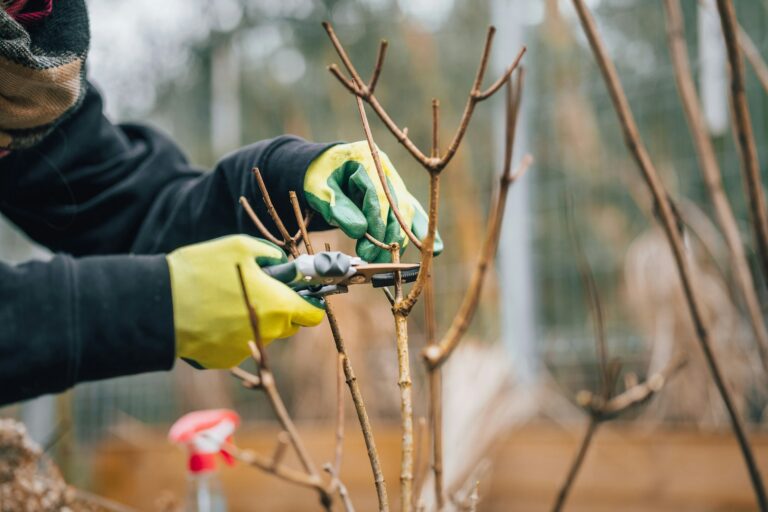
6. Pruning Without Purpose
Winter is not the ideal time for heavy pruning or repotting. While it may be tempting to tidy up your plants during this time, unnecessary pruning can stress plants that are already in a vulnerable state. If you spot dead or yellowing leaves, it’s okay to remove them, but avoid cutting back healthy growth.
If repotting is necessary, wait until spring when your plants are ready to grow again. This will minimize stress and allow for a smoother transition.
7. Ignoring Pests
Finally, winter doesn’t mean pests go away. In fact, indoor plants can still attract pests such as spider mites, aphids, and mealybugs. Regularly inspect your plants for any signs of infestation, such as sticky residue or webbing.
To keep pests at bay:
Maintain Cleanliness: Wipe down leaves with a damp cloth to remove dust and potential pests.
Use Natural Remedies: If you notice pests, consider using insecticidal soap or neem oil as a natural treatment.
By being aware of these common January pitfalls, you can better care for your houseplants during the winter months. Taking the time to observe and adjust your routine will help ensure your plants remain healthy and vibrant, ready to thrive when spring arrives. Remember, a little extra attention can go a long way in nurturing your indoor garden!