Is Your Old Soil a Friend or Foe? Understanding When to Use It in Your Garden
Soil is the foundation of any garden, providing essential nutrients and support for plant growth. However, many gardeners are unsure about the viability of using old soil, especially when it comes to reusing soil from previous plantings. In this article, we’ll explore when old soil can be a valuable resource and when it may cause more harm than good, helping you make informed decisions for your gardening endeavors.
Understanding Soil Composition
Before diving into the specifics of old soil, it’s important to understand what soil is made of. Soil is composed of minerals, organic matter, water, air, and living organisms. Over time, this composition can change due to plant growth, decay, and environmental factors. This means that old soil can have different qualities compared to when it was first used.
When Old Soil is Safe to Use
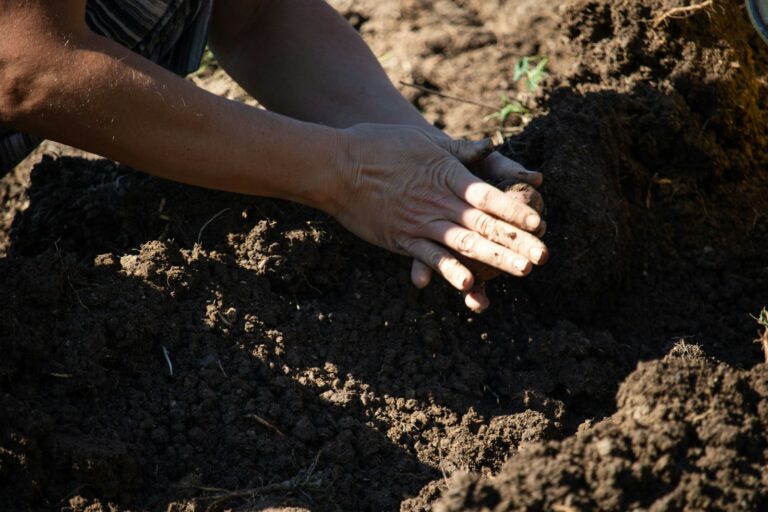
1. Well-Drained and Aerated Soil: If your old soil has good drainage and aeration, it can be reused effectively. Look for soil that crumbles easily and doesn’t hold excessive moisture. This type of soil typically supports healthy root systems for new plants.
2. Nutrient-Rich: Soil that has been amended with compost or organic matter in the past is usually safe to use again. Compost enriches the soil with nutrients and beneficial microorganisms, which can be beneficial for new plantings. If your old soil smells earthy and has a rich, dark color, it’s a good sign that it’s still nutrient-packed.
3. Free of Pests and Diseases: Before using old soil, inspect it closely for signs of pests, diseases, or mold. If you see signs of these issues, it’s best to avoid using that soil. Consider sterilizing the soil by baking it in the oven at 180°F for about 30 minutes, which can kill off undesirable pests and pathogens.
4. Transitional Use: Old soil can be a great resource for potting mixes. If you have some leftover soil from previous pots, mixing it with fresh potting soil can create a balanced medium for new plants. Aim for a mix of about 50% old soil and 50% new potting mix.
When Old Soil Can Ruin Your Plants
1. Nutrient Depletion: Over time, soil can become depleted of essential nutrients. If you’ve grown heavy feeders like tomatoes or cucumbers in your old soil, it may not have enough nutrients left for new plants. Consider having the soil tested if you suspect nutrient depletion. You can typically find testing kits at local garden centers.
2. Compaction Issues: Soil that has been compacted over time can hinder root growth and water drainage. If your old soil feels dense and heavy, it may require amendments such as perlite, sand, or additional organic matter to improve its structure.
3. Residual Chemical Build-Up: If you’ve used chemical fertilizers or pesticides in your garden, there’s a chance that residues may linger in the soil. Some chemicals can be harmful to new plantings or disrupt soil microbiomes. If you’re uncertain about the history of your soil, it might be best to start fresh with new soil.
4. Soil-Borne Diseases: Certain diseases can linger in the soil, waiting for new plants to infect. If you’ve had issues with diseases like root rot or wilt in the past, avoid using that soil for new plantings. Again, sterilizing the soil can help mitigate this risk.
Tips for Reusing Old Soil Safely
1. Mix It Up: Combine old soil with new soil or compost to rejuvenate its nutrient content. This not only enhances soil quality but also introduces beneficial microbes to support healthy plant growth.
2. Check pH Levels: Soil pH affects nutrient availability. Use a soil pH testing kit to ensure your old soil is within the ideal range for your plants (generally between 6.0 and 7.0 for most garden plants). Amend with lime to raise pH or sulfur to lower it as needed.
3. Perform Visual Inspections: Always check for pests, diseases, or unusual odors before using old soil. A thorough inspection can save you from planting failures.
4. Consider Crop Rotation: If you’ve grown certain crops in old soil that are prone to diseases, consider rotating your crop choices. For example, if you previously grew tomatoes in a specific area, avoid planting them again in that same soil for at least a couple of seasons.
5. Use in Less Critical Areas: If you’re unsure about the quality of your old soil, consider using it in less critical areas of your garden, such as for ornamental plants or in raised beds where you can monitor and amend as necessary.
Timing is Key
When reusing old soil, timing is crucial. Ideally, you want to prepare your soil a few weeks before planting to allow for any amendments to integrate fully. If you live in USDA zones with harsh winters, aim to prepare your soil in early spring after the last frost, ensuring it’s ready for your summer planting.
By understanding the characteristics of your old soil and knowing when it’s safe to use, you can make better choices that lead to a thriving garden. With the right approach, your old soil can be a valuable asset rather than a potential downfall. Happy gardening!