Is Your Plant Struggling for Air? Signs and Solutions for Oxygen Deprivation

When it comes to keeping our beloved houseplants and garden flora thriving, oxygen is a fundamental element that often goes unnoticed. Just like us, plants need oxygen to grow, breathe, and flourish. But how do you know if your plant is struggling for air? In this article, we will explore the signs of oxygen deprivation in plants and provide practical solutions to help them thrive.
Signs Your Plant Needs More Oxygen
1. Wilting Leaves
Wilting is most often associated with a lack of water, but when combined with other symptoms, it can indicate oxygen deprivation. If your plant’s leaves are drooping yet the soil is wet, it may be a sign that the roots are suffocating.
2. Yellowing Leaves
While yellowing leaves can be caused by various factors, including nutrient deficiencies, they can also indicate that your plant is not getting enough oxygen. This is especially true if the lower leaves are turning yellow while the upper leaves remain green.
3. Root Rot
Root rot is a serious condition caused by overly saturated soil that prevents roots from accessing air. If you notice a foul smell emanating from the soil or see dark, mushy roots, your plant is likely suffering from root rot due to a lack of oxygen.
4. Stunted Growth
If your plant appears healthy but is not growing as expected, it could be a sign that its roots are not getting enough oxygen. This can lead to stunted growth and a lack of vigor.
5. Damp or Moldy Soil
Soil that retains too much moisture can create a low-oxygen environment. If you see mold or algae forming on the surface of the soil, it’s a clear sign that your plant is struggling to breathe.
Understanding Oxygen Needs
Plants take in carbon dioxide through their leaves and release oxygen during the process of photosynthesis. However, the roots also need oxygen to function properly. Inadequate airflow in the soil can lead to anaerobic conditions, where harmful bacteria thrive, ultimately harming the plant.
Different plants have varying oxygen requirements. For instance, tropical plants like monstera or pothos thrive in humid environments, while succulents prefer drier conditions. Understanding the specific needs of your plants can help prevent oxygen deprivation.
Solutions to Improve Oxygen Levels
1. Aerate the Soil
If you suspect that your plant is not receiving enough oxygen, start by aerating the soil. Use a fork or a specialized aeration tool to gently poke holes in the soil, allowing air to circulate. This is particularly effective for potted plants.
2. Repot in Well-Draining Soil
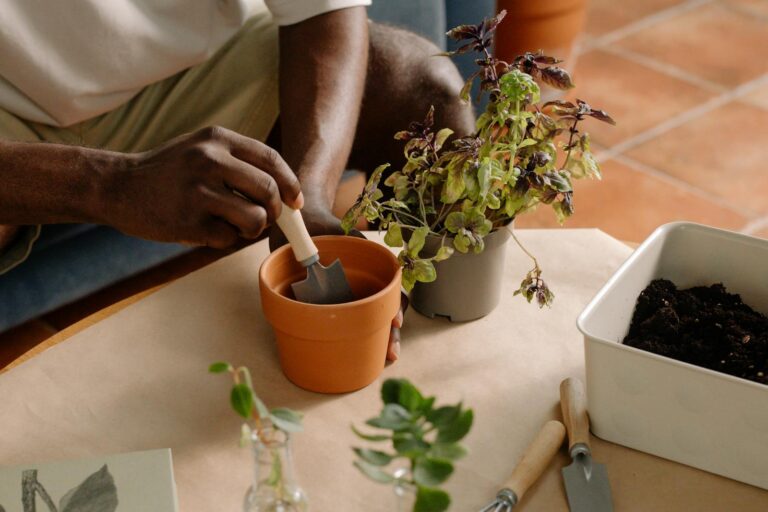
Choosing the right potting mix is crucial. Opt for a well-draining soil that allows for good airflow, such as a mix containing perlite or vermiculite. If you’re repotting, make sure to select a pot with drainage holes to prevent water from pooling at the bottom.
3. Adjust Watering Habits
Overwatering is one of the most common causes of oxygen deprivation. Make sure to allow the top inch of soil to dry out before watering again. Using the “finger test”—sticking your finger into the soil to check moisture levels—can help prevent overwatering.
4. Improve Drainage
If your plant is in a pot without drainage holes, consider repotting it. Additionally, you can add materials like gravel or stones at the bottom of the pot to improve drainage. For garden beds, ensure that the soil is not compacted and has enough organic matter to allow for aeration.
5. Increase Air Circulation
For indoor plants, consider placing a small fan nearby to promote air circulation. Outdoors, ensure that your plants are spaced adequately to allow for airflow between them. This is particularly important in humid climates where stagnant air can lead to oxygen deprivation.
6. Consider Soil Amendments
In some cases, adding amendments such as compost can help improve soil structure, allowing for better drainage and oxygen flow. Just be cautious not to overdo it, as too much organic matter can retain excess moisture.
7. Monitor Plant Health
Regularly check your plants for signs of distress. Keeping a close eye on leaf color, growth patterns, and soil condition will help you catch any issues before they escalate.
Common Mistakes to Avoid
Ignoring Drainage: Always ensure your pots have drainage holes. Without proper drainage, water can accumulate, leading to oxygen deprivation.
Overfertilizing: Too much fertilizer can compact the soil and reduce oxygen availability. Follow recommended guidelines for your specific plants.
Neglecting Seasonal Changes: Be mindful of changing seasons; plants may require less water and different care as they enter dormancy in winter.
Final Thoughts
Recognizing the signs of oxygen deprivation in your plants is the first step to ensuring their health and vitality. By taking proactive measures such as improving soil drainage, adjusting watering habits, and providing adequate air circulation, you can create an optimal environment for your plants to thrive. Whether you’re nurturing a single potted fern or a sprawling garden, understanding and meeting your plants’ oxygen needs will lead to a flourishing green space.
With these tips and insights, you can cultivate a thriving garden and enjoy the beauty of healthy, happy plants!