Is Your Plant Thirsty? Try This Quick 10-Second Test Before Watering!
Gardening can often feel like a guessing game, especially when it comes to determining how much water your plants really need. Overwatering is a common mistake that can lead to root rot and other issues, while underwatering can stress plants and hinder their growth. To help you avoid these pitfalls, we’ve got a quick and easy 10-second check that can guide you in deciding whether your plant needs a drink.
Understanding Plant Needs
Before we dive into the check, it’s important to understand that different plants have different water requirements. Factors such as the type of plant, its size, the season, and the environment all play a role in how much water your plant needs. For instance, succulents and cacti thrive in dry conditions, while tropical plants generally prefer a more humid environment. Knowing your plant’s specific needs can help you make more informed watering decisions.
The 10-Second Check: The Finger Test
Now, onto the quick test! This simple finger test is a fantastic way to gauge the moisture level in the soil without needing any fancy tools. Here’s how to do it:
1. Pick Your Plant: Choose the plant you want to check. It’s best to do this in the morning when the soil is still moist from overnight watering.
2. Insert Your Finger: Stick your index finger about an inch into the soil. You want to go deep enough to reach the root zone, where moisture is most crucial.
3. Assess the Soil:
If the soil feels dry at that depth, it’s time to water your plant.
If it’s damp or wet, hold off on watering for a few more days.
This method only takes a few seconds and can save you from overwatering, which is often more detrimental than underwatering.
Signs Your Plant Needs Water
In addition to the finger test, be on the lookout for visual cues that indicate your plant may need water. Here are some common signs to watch for:
Wilting Leaves: When plants lack water, their leaves may droop or wilt. However, it’s important to note that wilting can also be a sign of overwatering, so check the soil moisture first.
Crispy Edges: Leaf edges that become crispy or brown can indicate dehydration, particularly in plants like succulents and certain houseplants.
Yellowing Leaves: In some cases, yellow leaves can signal overwatering, but they can also indicate that the plant is stressed from lack of moisture.
Soil Pulling Away from the Pot: If the soil is pulling away from the sides of the pot, it’s a sign that it’s too dry and needs watering.
Timing is Everything
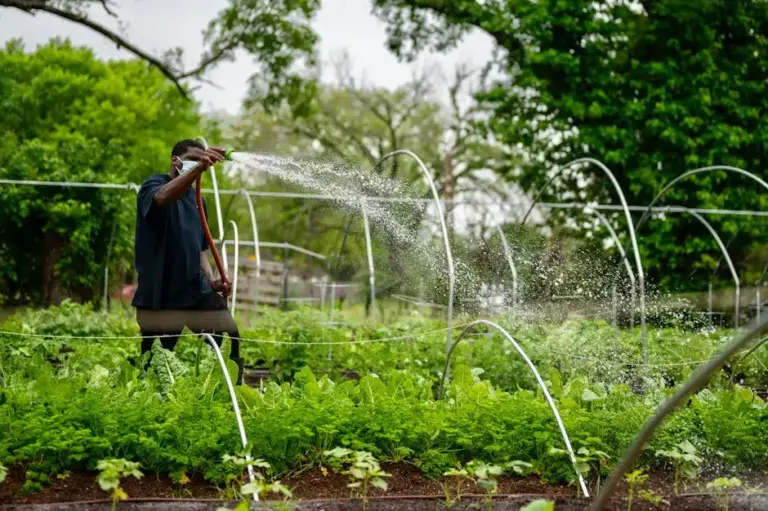
The best time to water your plants is typically in the early morning or late afternoon when temperatures are cooler. Watering during these times reduces evaporation and allows the moisture to seep into the soil more effectively. Avoid watering during the hottest part of the day, as this can lead to quick evaporation and potentially scorch your plants.
Common Watering Mistakes
Even seasoned gardeners can fall into some common watering traps. Here are a few mistakes to avoid:
Watering on a Schedule: While consistency is important, watering on a strict schedule can lead to overwatering. Always check the soil moisture first.
Ignoring Drainage: Ensure your pots have proper drainage holes. Standing water can suffocate roots and lead to rot. If you notice water pooling at the bottom of the pot, consider repotting with fresh soil.
Neglecting Seasonal Changes: Plants require different amounts of water throughout the year. During the growing season, you may need to water more frequently, while in winter, many plants enter dormancy and need less water.
Using Cold Water: Water that is too cold can shock your plants. Use room temperature water or let your watering can sit out for a while to warm up.
Adapting to Your Environment
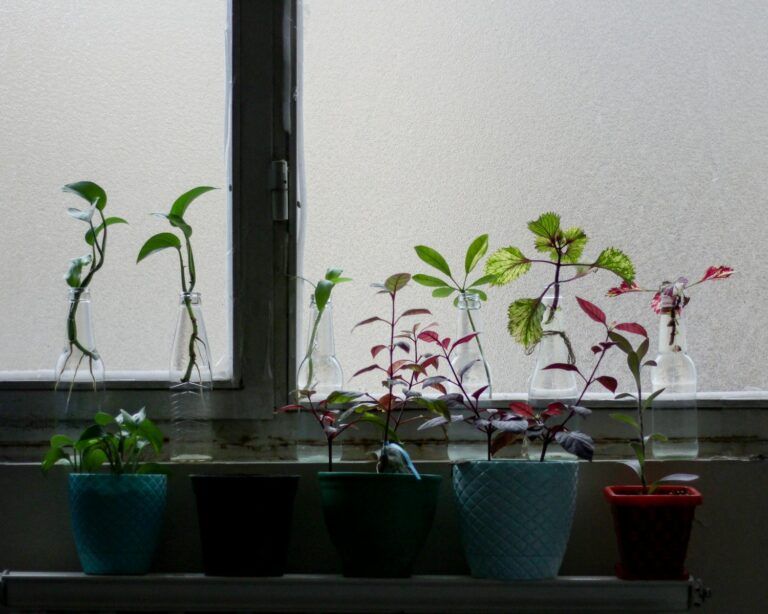
Remember that environmental factors also play a significant role in how much water your plants need. Factors like humidity, temperature, and sunlight exposure can all affect soil moisture levels. For example, plants in a sunny window may dry out faster than those in a shaded area. Pay attention to these conditions and adjust your watering routine accordingly.
Conclusion
With this quick 10-second finger test and an awareness of your plant’s specific needs, you can ensure that your green friends stay healthy and hydrated. By paying attention to both the soil moisture and the signs your plants give you, you’ll avoid the common pitfalls of overwatering and underwatering. Happy gardening!
Now that you’re equipped with this knowledge, grab your watering can and give your plants the care they deserve!