Mary Berry’s Gardening Secrets: The Joyful Task She Never Skips

Mary Berry, the beloved British food writer and television personality, has long been an inspiration for home cooks and gardeners alike. Known for her warm demeanor and passion for all things culinary, she recently shared a glimpse into her gardening routine that resonates with many: the simple joy of tending to her plants. Let’s explore the gardening task that Mary never skips and how you, too, can cultivate a flourishing garden filled with joy.
THE GARDENING TASK THAT BRINGS JOY
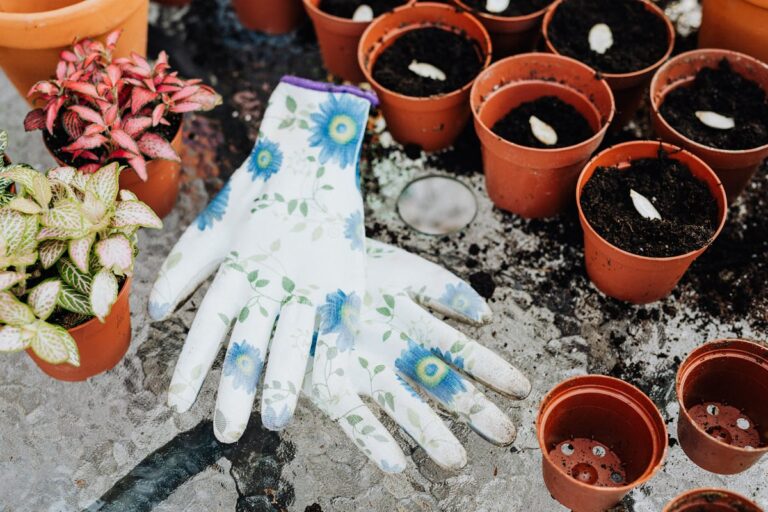
For Mary Berry, the heart of gardening lies in the act of sowing seeds. This foundational task is not just about planting for the season but is a ritual that brings her immense pleasure. Sowing seeds is a tactile experience, connecting you with the earth and the cycles of nature. It’s a moment of hope and anticipation, watching the tiny seeds transform into vibrant plants.
Berry believes that sowing seeds is an essential part of any gardener’s journey. It’s where the magic begins. Whether you’re planting vegetables, herbs, or flowers, the act of sowing seeds can provide a sense of purpose and fulfillment.
GETTING STARTED WITH SOWING SEEDS
If you’re feeling inspired by Mary Berry’s gardening philosophy, here’s how to get started with seed sowing in your own garden.
1. Choose the Right Seeds: Select seeds that are suitable for your USDA hardiness zone. If you’re in a cooler zone (like 3-5), consider starting with hardy vegetables like peas, kale, or radishes. For warmer zones (like 8-10), you can opt for tomatoes, peppers, and eggplants.
2. Timing is Everything: Pay attention to the last frost date in your area. Most seed packets will provide instructions on when to sow seeds directly in the garden or indoors. For instance, in many regions, it’s safe to sow cool-season crops outdoors about 2-4 weeks before the last frost date.
3. Prepare Your Soil: Healthy soil is the backbone of a successful garden. Before sowing, amend your soil with compost or well-rotted manure to provide essential nutrients. A loose, well-draining soil will help your seeds germinate and grow strong.
4. Sowing Techniques: Follow the instructions on your seed packets regarding depth and spacing. Generally, seeds should be sown at a depth of about two to three times their diameter. Use a seedling tray or directly sow in garden beds, ensuring adequate spacing to allow for growth.
5. Watering Wisely: After sowing, water gently to avoid displacing the seeds. Keep the soil consistently moist but not soggy. A light misting can help keep the top layer of soil moist until seedlings emerge.
6. Provide Light: If you’re starting seeds indoors, ensure they get plenty of light. A sunny window can work, but grow lights are ideal for providing consistent, bright light for healthy seedlings.
NURTURING YOUR SEEDLINGS
Once your seeds have germinated and seedlings begin to emerge, it’s crucial to nurture them properly:
Thinning: As seedlings grow, thin them out to prevent overcrowding. This allows each plant enough space to develop a healthy root system. Typically, thinning is done when seedlings reach about 2-3 inches in height.
Feeding: After a few weeks, start feeding your seedlings with a diluted liquid fertilizer to promote healthy growth. Follow the instructions on the fertilizer package for proper mixing ratios.
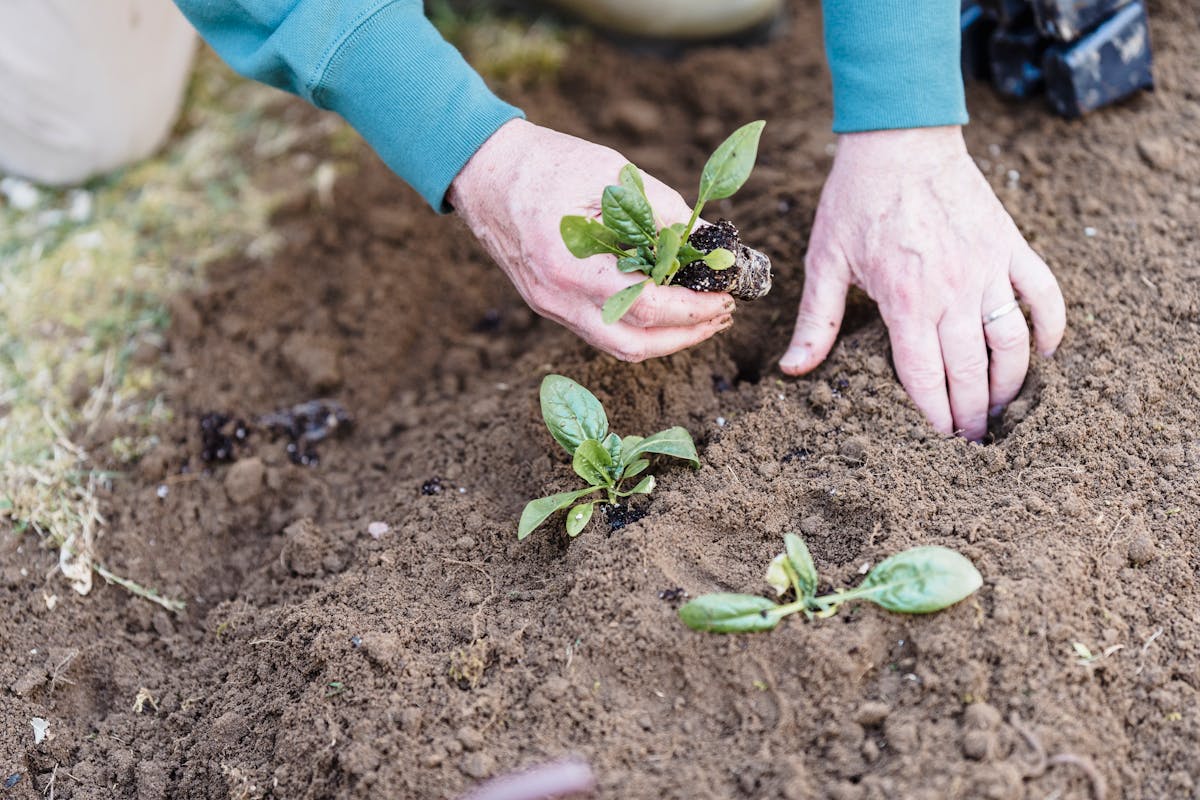
Transplanting: If you started your seeds indoors, be prepared to transplant them into larger pots or directly into the garden once they are sturdy enough and the weather permits. Acclimate them to outdoor conditions gradually to avoid transplant shock.
THE JOY OF HARVESTING
One of the most rewarding aspects of gardening is the harvest. As you nurture your plants, you’ll eventually be rewarded with fresh produce or beautiful blooms. Just like Mary Berry finds joy in the act of sowing, you’ll find satisfaction in harvesting the fruits of your labor.
Timing Your Harvest: Different plants have different indicators for when they are ready to harvest. For example, leafy greens can be harvested continuously, while root vegetables should be lifted when they reach the desired size. Always check seed packets for specific harvesting tips.
Harvesting Tips: Use clean, sharp tools to avoid damaging the plants. For leafy greens, cut at the base rather than pulling them out, which encourages new growth. For fruiting plants, gently twist or cut the fruit from the vine to prevent injury to the plant.
CONCLUSION: EMBRACING YOUR GARDENING JOURNEY
Mary Berry’s approach to gardening is a reminder that it’s not just about the end result, but the process and the joy it brings. By embracing the art of sowing seeds and nurturing your garden, you can create a space that provides both beauty and sustenance. Gardening is a journey filled with learning, patience, and, most importantly, joy. So grab your seeds, prepare your soil, and step into the garden—your own little slice of happiness awaits!