Mastering Almond Tree Pruning: Your Guide to Healthy Growth and Bumper Harvests

Pruning almond trees is an essential practice for any home gardener looking to ensure healthy trees and maximize nut production. With the right techniques and timing, you can help your almond trees thrive, producing abundant crops for years to come. This guide will walk you through when and how to prune your almond trees effectively.
Understanding Almond Trees
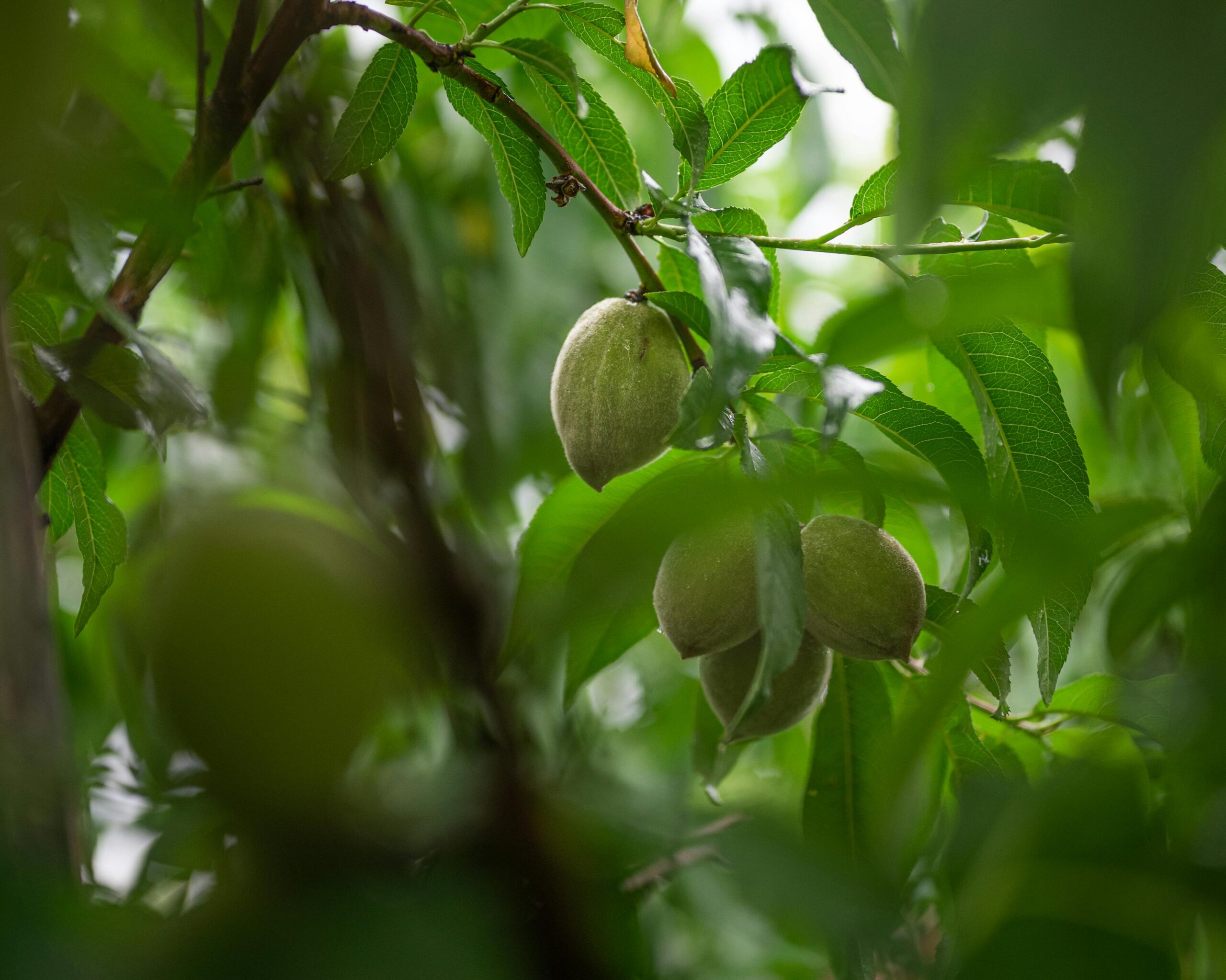
Almond trees (Prunus dulcis) are beautiful additions to any garden, offering not only stunning blossoms in spring but also delicious nuts in late summer. These trees thrive in USDA Hardiness Zones 7 through 9, making them suitable for many regions across North America. To maintain their health and productivity, regular pruning is essential.
When to Prune Almond Trees
The timing of your pruning is crucial. The best time to prune almond trees is during late winter to early spring, typically from February to March, just before the buds begin to swell. This is when the tree is still dormant, allowing for a clean cut that minimizes stress on the tree. Pruning during this time also encourages new growth and helps to avoid damage from frost.
Avoid pruning in late fall or early winter, as this can stimulate new growth that may not have time to harden off before the cold hits. Additionally, pruning in the summer can expose the tree to sunburn and other stressors.
Tools You’ll Need
Before you start pruning, gather the following tools:
1. Pruning Shears: For small branches and delicate cuts.
2. Loppers: For thicker branches that are too large for pruning shears.
3. Hand Saw: For larger limbs that require more power.
4. Gloves: To protect your hands from cuts and scrapes.
5. Bypass Pruners: These are ideal for making clean cuts that help the tree heal faster.
How to Prune Almond Trees
1. Assess the Tree: Before you begin, take a good look at your almond tree. Identify any dead, damaged, or diseased branches. Also, look for branches that are crossing or rubbing against each other, as these can create wounds and invite pests.
2. Remove Dead and Damaged Wood: Start by cutting away any dead or diseased wood. Make your cuts just above a healthy bud or branch to encourage new growth. Use clean cuts to avoid damaging the tree further.
3. Thin Out the Canopy: Aim for an open canopy that allows sunlight to penetrate and air to circulate. Remove crowded branches to prevent disease and promote healthy growth. Ideally, you want to create a vase-like shape, with a clear center and evenly spaced limbs.
4. Shorten Long Branches: If you have long, leggy branches, trim them back to encourage bushier growth. Cut them back to a healthy bud or lateral branch, which will promote new growth.
5. Maintain the Tree’s Height: If your almond tree is getting too tall, consider pruning back the upper branches to keep it manageable. This will also make future harvesting easier.
6. Seal Large Cuts: For larger cuts, consider sealing them with a tree wound sealant to protect against pests and diseases. However, smaller cuts generally do not require sealing.
Common Mistakes to Avoid
Over-pruning: It can be tempting to prune aggressively, but this can stress your tree and reduce nut production. Aim for a light to moderate pruning each year rather than drastic cuts.
Pruning Too Late: As mentioned earlier, avoid pruning after the buds begin to swell. This can lead to frost damage and weakened tree health.
Ignoring Tree Shape: Pruning should not only focus on removing unwanted branches but also on maintaining a balanced shape. An unbalanced tree is more susceptible to wind damage and may not produce well.
Using Dull Tools: Always use sharp and clean tools to make precise cuts. Dull tools can tear the bark and lead to infection.
Post-Pruning Care
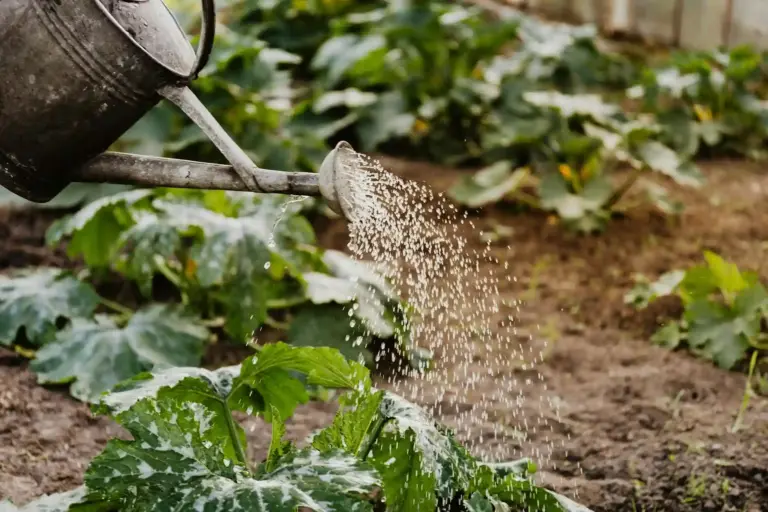
After pruning, it’s essential to care for your almond tree properly. Water it well, especially if you experience dry conditions. Fertilizing with a balanced fertilizer can also promote healthy growth as the tree wakes from dormancy. Monitor for pests and diseases, as pruning can sometimes expose areas vulnerable to infestations.
Final Thoughts
Pruning almond trees may seem daunting, but with the right techniques and timing, you can ensure your trees remain healthy and productive. By investing some time each year to care for your trees, you’ll be rewarded with beautiful blossoms and bountiful almond harvests. Happy gardening!