Mastering Cabbage Cultivation in 2026: Essential Tips and Planting Dates for Thriving Seedlings
Growing cabbage can be incredibly rewarding for home gardeners, whether you’re a seasoned pro or just starting. This leafy vegetable thrives in cooler temperatures, making it a perfect choice for spring and fall gardens. In this article, we’ll explore key planting dates for 2026, essential tips for nurturing robust seedlings, and common mistakes to avoid.
Understanding Cabbage Varieties
Before you dig in, it’s important to understand that there are several cabbage varieties, including green, red, savoy, and Napa. Each has its unique flavor profile and growing requirements. When planning your garden, consider what types of cabbage you’d like to grow based on your culinary preferences and your climate.
Key Planting Dates for 2026
Timing is crucial for a successful cabbage harvest. Here are the recommended planting windows:
Spring Planting: For most regions, you can start seeds indoors around 6-8 weeks before the last expected frost date. If you live in USDA zones 3-5, this typically means starting seeds indoors in late February to early March. In warmer zones (6-8), start your seeds indoors in early to mid-March. Transplant seedlings outdoors when they are 4-6 weeks old, typically after the last frost, which may fall between mid-April to early May in many areas.
Fall Planting: If you want to grow cabbage for a fall harvest, direct sow seeds outdoors or transplant seedlings in mid- to late summer, around 6-8 weeks before the first expected frost date. In USDA zones 3-5, this usually means planting in late July to early August, while in zones 6-8, you can plant into mid-August.
Preparing Your Garden Bed
Cabbage prefers full sun and well-draining, nutrient-rich soil. Before planting, prepare your garden bed by following these steps:
1. Soil Testing: Conduct a soil test to determine pH and nutrient levels. Cabbage thrives in slightly acidic to neutral soil (pH 6.0-7.0). Amend your soil based on test results.
2. Amendments: Add organic matter, such as compost or well-rotted manure, to improve soil structure and fertility. Cabbage is a heavy feeder, so ensure your soil is rich in nitrogen, phosphorus, and potassium.
3. Tillage: Loosen the soil to a depth of about 12 inches to promote healthy root development. Remove any weeds and debris that could compete for nutrients.
Starting Seeds Indoors
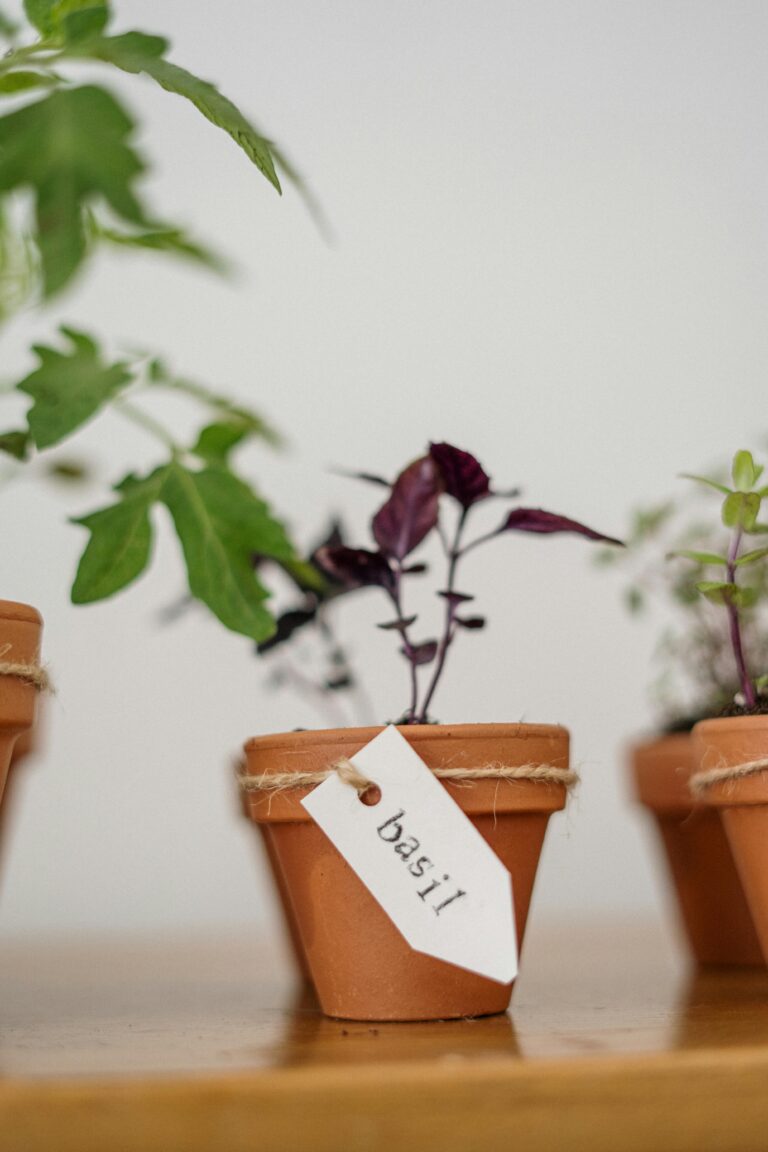
If you decide to start seeds indoors, here are some tips to ensure healthy seedlings:
Containers: Use seed trays or biodegradable pots filled with seed-starting mix. Ensure containers have drainage holes.
Sowing Seeds: Plant seeds about ¼ to ½ inch deep and water gently. Keep the soil consistently moist but not soggy.
Light Requirements: Once seedlings emerge, provide plenty of light. A sunny windowsill may suffice, but using grow lights can yield better results, especially in lower light conditions. Aim for 12-16 hours of light daily.
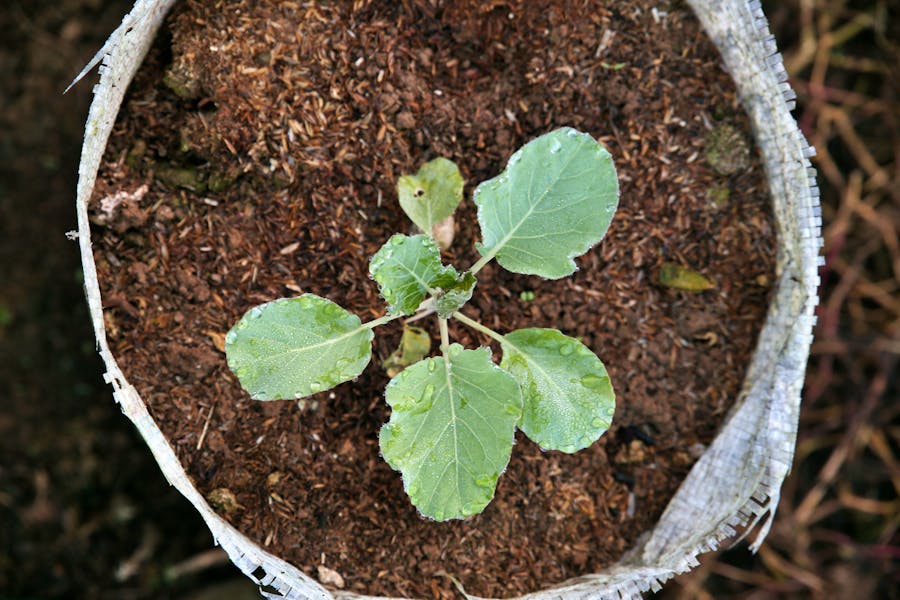
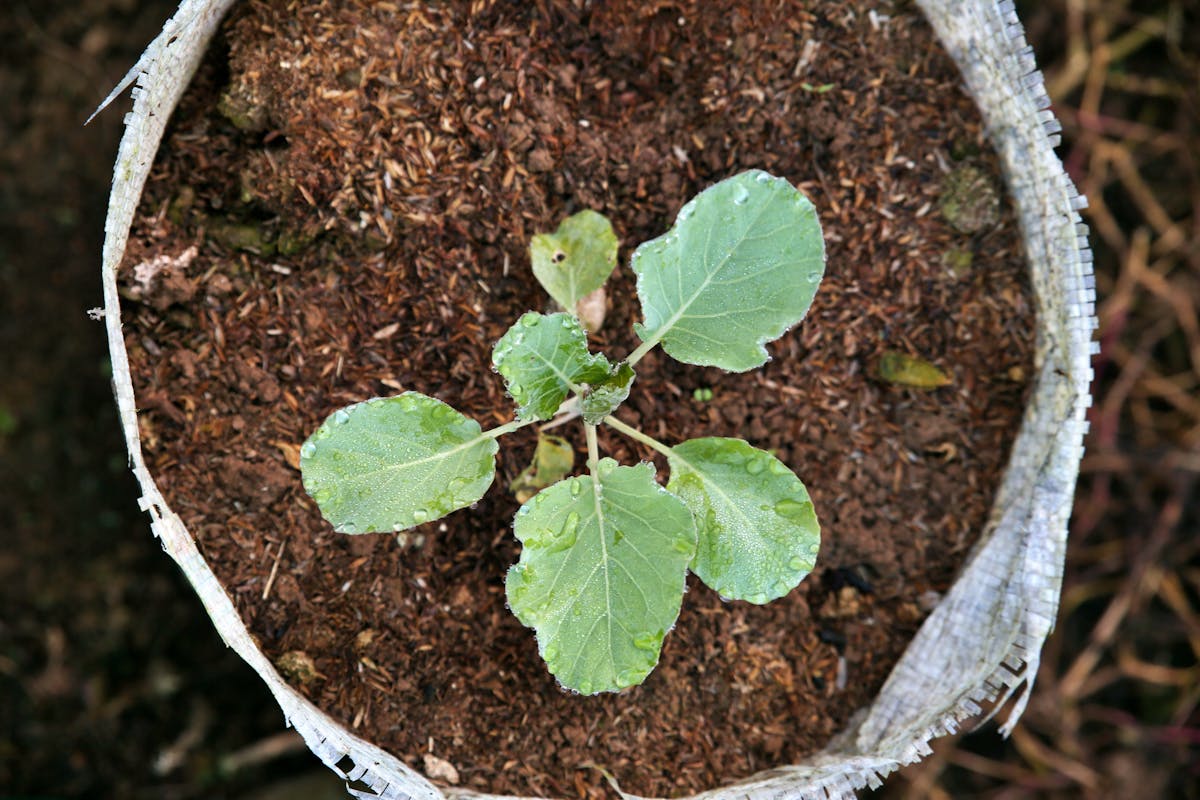
Thinning Seedlings: Once seedlings develop their first true leaves, thin them to prevent overcrowding. Leave the strongest plants, spacing them about 2-4 inches apart.
Transplanting Outdoors
When it’s time to move your seedlings outside, follow these guidelines:
1. Hardening Off: Gradually acclimate your seedlings to outdoor conditions by hardening them off. Start by placing them outside for a few hours each day, gradually increasing exposure over a week.
2. Planting Technique: Transplant seedlings on a cloudy day or in the evening to reduce transplant shock. Space cabbage plants 12-24 inches apart in rows that are 24-36 inches apart, depending on the variety.
3. Watering: Water thoroughly after transplanting to help establish roots. Continue to keep the soil consistently moist, especially during dry spells.
Caring for Cabbage Plants
Once your cabbage is in the ground, regular care is essential for robust growth. Here are some tips to keep your plants healthy:
Mulching: Apply a layer of organic mulch around your cabbage plants to suppress weeds, retain moisture, and maintain consistent soil temperatures.
Fertilizing: Feed your cabbage with a nitrogen-rich fertilizer every few weeks. Side-dressing with compost or a balanced fertilizer can boost growth.
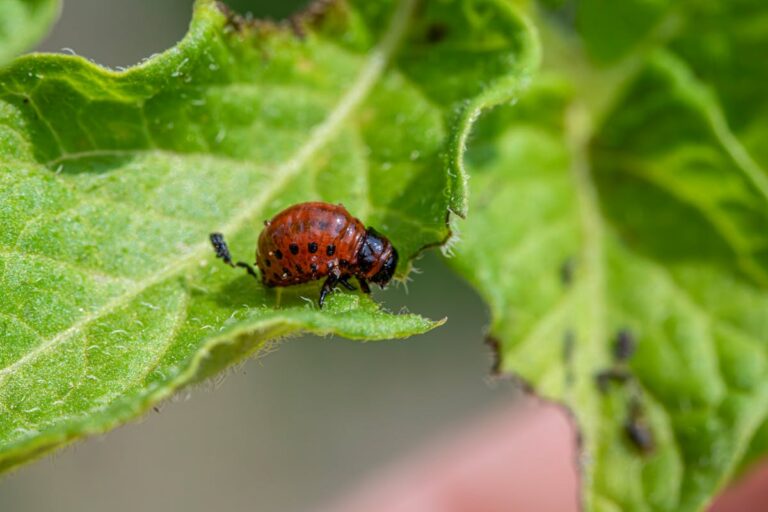
Pest Management: Keep an eye out for common pests like aphids, cabbage worms, and root maggots. Hand-pick larger pests and use insecticidal soap or neem oil for smaller infestations. Floating row covers can also provide a barrier against pests.
Watering Needs: Cabbage needs about 1-2 inches of water weekly. Water deeply to encourage strong root systems, especially during dry spells.
Harvesting Your Cabbage
Harvesting cabbage at the right time is crucial for optimal flavor and texture. Here’s how to know when to pick:
Size Matters: Cabbage heads are usually ready to harvest when they feel firm and are about 6-8 inches in diameter, depending on the variety.
Cutting Technique: Use a sharp knife to cut the head from the plant, leaving a few outer leaves intact for potential regrowth.
Timing: Harvest in the morning when temperatures are cooler for the best flavor and crunch.
Growing cabbage can be a fulfilling experience if you pay attention to timing, care, and common pitfalls. With these tips and planting dates for 2026, you’ll be well on your way to enjoying fresh, homegrown cabbage in your kitchen! Happy gardening!