Mastering February Gardening: 5 Essential Tips for a Thriving Spring

February can be a tricky month for gardeners across North America. With its unpredictable weather and lingering winter chill, it often feels like the gardening season is still far off. However, with the right approach, February can be a crucial time to prepare your garden for the bountiful spring ahead. Here are five essential lessons to help you navigate this transitional month and ensure your garden flourishes when the warmer days arrive.
1. Embrace Indoor Gardening
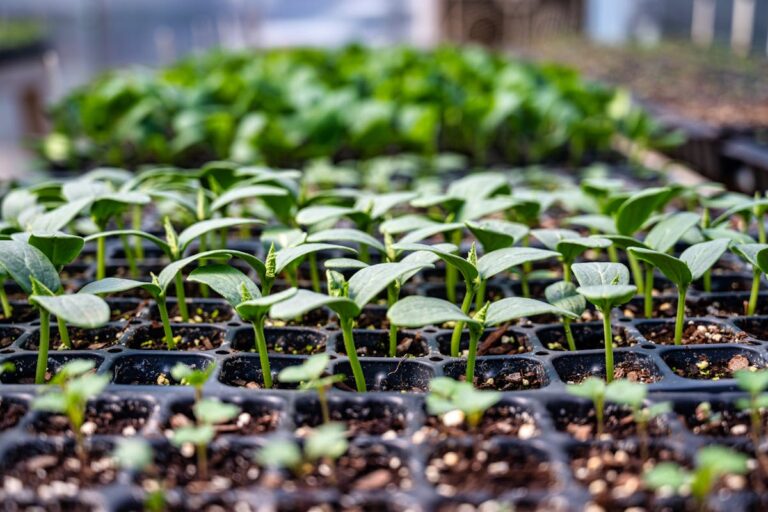
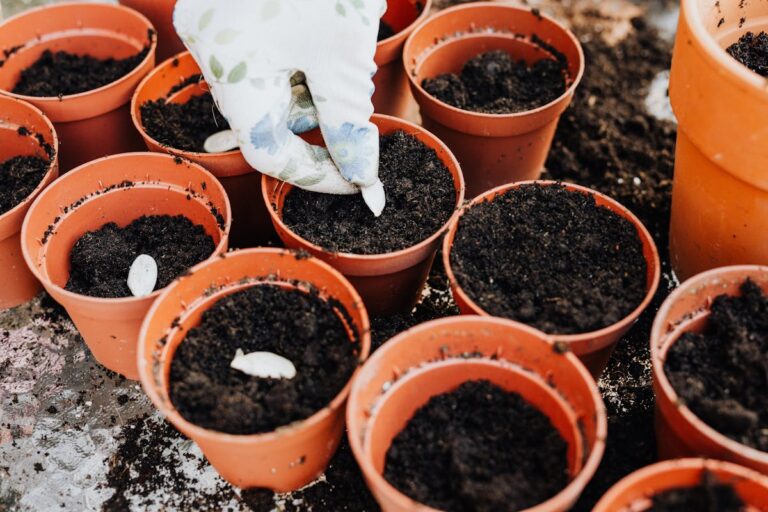
While outdoor gardening might be stifled by frost and snow, February is an excellent opportunity to focus on indoor plants. Starting seeds indoors can give you a head start on the growing season. Vegetables like tomatoes, peppers, and eggplants thrive when started indoors about 6-8 weeks before the last expected frost date in your region. Use seed trays filled with seed-starting mix, and place them in a warm spot with plenty of light, either from a south-facing window or under grow lights.
Keep an eye on moisture levels—overwatering is a common pitfall. A spray bottle can help you maintain the right humidity without drowning the seeds. Once seedlings are a few inches tall and have developed a couple of sets of true leaves, they can be transplanted into larger pots until it’s time to move them outside.
2. Plan Your Garden Layout
February is the perfect time to plan your garden layout for the upcoming season. Take advantage of the quieter gardening months to research which plants you want to grow, and sketch out your garden beds. Consider factors like sunlight, soil quality, and plant compatibility.
When planning, think about companion planting—some plants thrive better together, while others can hinder each other’s growth. For instance, tomatoes benefit from being planted near basil but should be kept away from potatoes. Additionally, consider crop rotation to prevent soil depletion and reduce pest issues.
3. Tackle Weeds and Pest Control
Although it may seem like winter has put a halt to garden pests, February is a wise time to start thinking about weed management and pest control strategies. As the ground thaws, some weeds may begin to sprout, making it easier to remove them before they take over. Hand-pulling or using a hoe can be effective methods, especially when the soil is moist.
Additionally, consider setting up barriers or using organic mulch to suppress weed growth as the weather warms. As for pests, scouting for overwintering insects is essential. Look for signs of pests on your dormant plants and take action. Natural solutions like neem oil can help manage any early infestations without harming beneficial insects.
4. Prepare Your Soil
Healthy soil is the foundation of a thriving garden. While the ground may still be too cold for planting, you can prepare your soil now. Start by testing your soil’s pH and nutrient levels—many local extension services offer affordable soil testing kits. Knowing your soil’s composition will guide you in amending it appropriately with organic matter, compost, or fertilizers.
If the ground is workable, consider adding a layer of compost to your garden beds. This can improve soil structure, provide essential nutrients, and enhance water retention. If the soil is too wet or frozen, you can still prepare by gathering materials to make raised beds or by planning cover crops to improve soil health in the future.
5. Get Your Tools Ready
Before the gardening season kicks into high gear, it’s crucial to ensure your tools are in top condition. Take some time in February to clean, sharpen, and repair your gardening tools. A well-maintained set will make your gardening experience much more enjoyable and efficient.
Check for rust on metal tools—use a wire brush or sandpaper to remove it, and apply a light coat of oil to protect them from further damage. Inspect wooden handles for cracks or splinters, and sand them down if needed. This simple maintenance can save you time and frustration once the planting season begins.
Final Thoughts
By embracing the lessons of February, you can lay a solid foundation for a successful gardening season. Whether it’s starting seeds indoors, planning your layout, managing weeds and pests, preparing your soil, or maintaining your tools, each step you take now can lead to a flourishing garden come spring. Remember, patience is key—while the weather may be unpredictable, your commitment to preparation will pay off in the long run, ensuring you harvest a beautiful and bountiful garden. Happy gardening!