Mastering the Art of Hardening Off Seedlings: A Quick Guide to Avoiding Shock
Growing your own plants from seeds is an exciting journey, but it doesn’t end when they sprout. One critical step that many new gardeners overlook is hardening off seedlings—an essential process that helps young plants transition from the controlled environment of indoors to the variable conditions of the outside world. If you want to avoid shocking your plants and ensure they thrive, here’s how to harden them off quickly and effectively.
Understanding Hardening Off
Hardening off is the gradual acclimatization of seedlings to outdoor conditions. This process is vital because seedlings raised indoors are often not accustomed to the sun’s intensity, wind, and fluctuating temperatures. Without proper hardening off, these delicate plants can suffer from transplant shock, which may stunt their growth or even lead to their demise.
The general rule of thumb is to begin hardening off your seedlings about two weeks before you plan to transplant them into the garden. However, if you follow the steps outlined here, you can speed up this process and minimize the risk of shock.
Step-by-Step Guide to Hardening Off Seedlings
1. Choose the Right Time: Timing is crucial. Begin hardening off your seedlings when the outdoor temperatures are consistently above freezing and the risk of frost has passed. In many regions, this is typically 1-2 weeks before the last expected frost date. However, be sure to check your local weather conditions, as this can vary significantly across USDA zones.
2. Prepare a Safe Space: Select a sheltered area outside, such as a porch, patio, or a spot that receives dappled sunlight. This location should protect your plants from harsh winds and direct sunlight initially. The goal is to gradually increase their exposure over time.
3. Start Small: On the first day, take your seedlings outside for just 1-2 hours. This allows them to begin acclimating without overwhelming them. Ensure they are placed in a shaded area to minimize the risk of sunburn.
4. Gradually Increase Exposure: Each subsequent day, increase the time your seedlings spend outdoors by about an hour. After the first few days, you can start introducing them to direct sunlight for short periods—about 30 minutes to an hour. Monitor their response closely. If you notice any signs of distress, such as wilting or leaf curling, reduce their exposure and give them more time in the shade.
5. Mind the Weather: Pay close attention to the weather forecast. On days that are particularly windy, hot, or rainy, keep your seedlings sheltered. Conversely, if the weather is mild and sunny, you can increase their exposure accordingly.
6. Introduce Wind Gradually: Wind can be one of the most shocking elements for seedlings. As you increase their time outside, introduce them to gentle breezes. You can do this by placing them in a spot with light airflow or by lightly shaking the pots to mimic natural conditions. This step helps strengthen their stems and prepare them for outdoor life.
7. Monitor Soil Moisture: While your seedlings are outdoors, be vigilant about their watering needs. Soil can dry out more quickly in the wind and sun than indoors. Make sure to check the moisture level regularly, and water them as needed to prevent stress from dehydration.
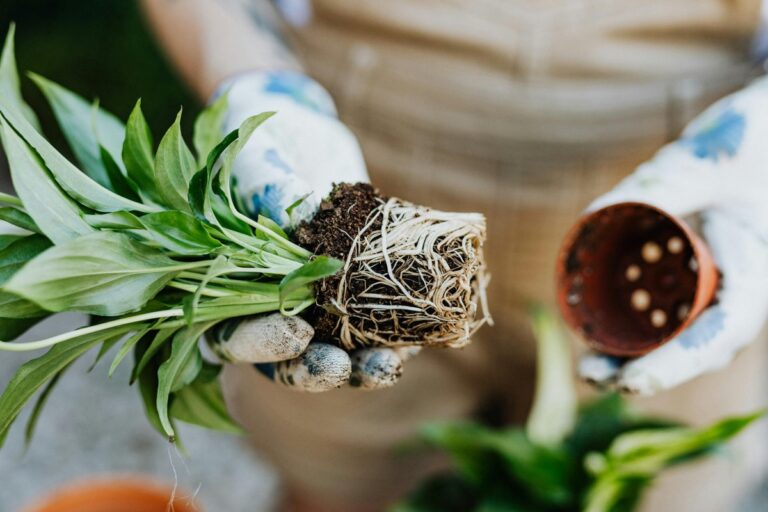
8. Final Transplant: After about 10-14 days of hardening off, your seedlings should be ready to transplant into your garden. Choose a cloudy day or transplant in the late afternoon to reduce shock. Water your seedlings thoroughly before and after transplanting to help them adjust to their new environment.
Common Mistakes to Avoid
Rushing the Process: One of the biggest mistakes gardeners make is not allowing enough time for hardening off. While it may be tempting to rush this step, take your time for the best results.
Ignoring the Weather: Be cautious of sudden temperature drops or extreme weather. If a cold snap is forecasted, it’s better to hold off on hardening off your seedlings until conditions improve.
Overexposing Too Soon: Gradual exposure is key. Jumping straight into full sun can lead to sunburn and even death. Always start with indirect light and slowly increase exposure.
Neglecting to Check for Pests: While your seedlings are outside, keep an eye out for pests such as aphids or spider mites. Ensure you inspect them regularly and take action if you notice any infestations.
Hardening off seedlings is a crucial step in ensuring a successful transition to the garden. By following these steps, you can avoid shock and help your plants thrive in their new environment. Remember, patience is key! With the right approach, your seedlings will be ready to flourish in your garden come planting time. Happy gardening!