Mastering the Art of Tool Sharpening: A Gardener’s Guide to Effortless Gardening
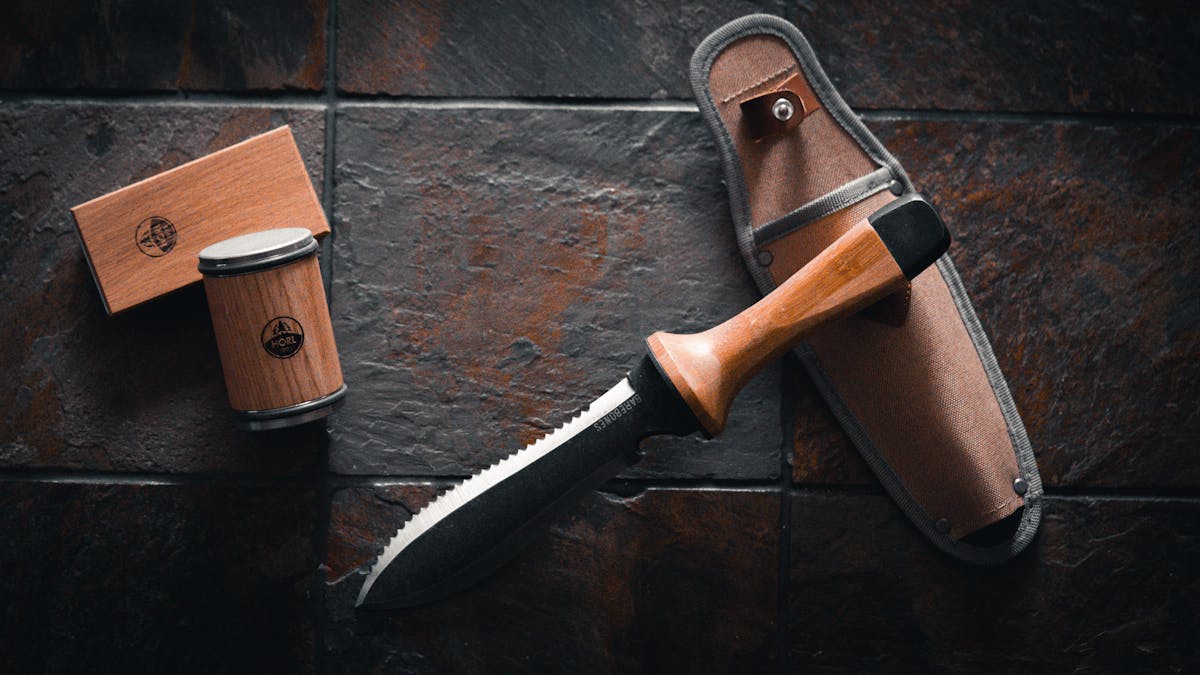
Gardening is a rewarding pursuit, but it can quickly become frustrating if your tools aren’t up to the task. Dull tools can make even the simplest gardening tasks feel like a chore. Fortunately, sharpening your gardening tools is not only easy but also essential for maintaining their longevity and ensuring your gardening experience is as enjoyable as possible. In this guide, we’ll walk you through the best practices for sharpening tools, the tools you’ll need, and some tips to keep your gardening equipment in peak condition.
Understanding the Importance of Sharp Tools
Sharp tools are safer and more efficient. A sharp blade requires less force, making it easier to cut through tough stems and branches, reducing the risk of slips and accidents. Additionally, sharp tools make clean cuts, which help prevent plant damage and promote quicker healing. This is especially important in your garden, where clean cuts can reduce the risk of disease.
Tools You’ll Need
Before getting started, gather the following tools:
1. Whetstone or sharpening stone: A whetstone is an excellent choice for sharpening most gardening tools. Choose a medium-grit stone (around 1000 grit) for dull tools and a finer grit (3000-6000 grit) for honing.
2. File: A metal file can be used for larger tools like hoes and shovels. It’s handy for removing nicks and reshaping edges.
3. Diamond sharpening rod: These are great for quick touch-ups and maintaining the sharpness of smaller blades like pruners.
4. Protective gloves: Always wear gloves for safety, especially when handling sharp tools.
5. Oil: A few drops of honing oil can help keep your whetstone lubricated, ensuring a smoother sharpening process.
6. Cleaning brush or cloth: To remove dirt and debris from your tools before sharpening.
How to Sharpen Your Gardening Tools
1. Clean Your Tools
Before sharpening, make sure your tools are clean. Use a brush or cloth to remove any dirt, rust, or sap. This helps you see the blade’s edge clearly and prevents debris from interfering with the sharpening process.
2. Determine the Angle
Most gardening tools are sharpened at a specific angle. A general rule of thumb is 20-30 degrees for pruners and shears, while larger tools like hoes and shovels can be sharpened at a 30-40 degree angle. You can use a protractor or simply eye it based on the existing bevel of the blade.
3. Sharpening Process with a Whetstone
Lubricate the Whetstone: If using a whetstone, apply a few drops of honing oil to the surface to reduce friction.
Position the Blade: Hold the tool at the determined angle against the whetstone.
Long Strokes: Use long, even strokes along the edge of the blade, moving from the base to the tip. Repeat this process 5-10 times on each side of the blade.
Check Your Progress: Periodically wipe the blade and check for sharpness. You should feel a noticeable difference when the blade is sharp.
4. Using a File
For larger tools, a metal file can be your best friend:
Hold the file against the edge of the tool and pull it towards yourself, using even pressure.
Make sure to file in one direction only; back and forth can dull the edge.
Repeat this until you achieve a sharp edge.
5. Touch-Ups with a Diamond Rod
For quick touch-ups, a diamond sharpening rod is incredibly effective:
Hold the rod vertically and draw the blade down the rod at the correct angle.
Repeat several times on each side of the blade until sharp.
Maintenance Tips to Keep Your Tools in Top Shape
1. Regular Maintenance: Make a habit of sharpening your tools at the beginning and end of the gardening season. This ensures they are ready for use when you need them and can help prevent rust.
2. Store Properly: After cleaning and sharpening your tools, store them in a dry place. Avoid leaving them outside, as moisture can lead to rust and deterioration.
3. Oil the Blades: Applying a light coat of oil can help protect against rust and maintain sharpness. Use vegetable oil or a specialized tool oil for this purpose.
4. Avoid Cutting on Hard Surfaces: Try to avoid cutting on concrete or stone surfaces, as these can dull your tools quickly. Instead, work on softer materials like soil or mulch.
5. Inspect Regularly: Regularly check your tools for any signs of damage or wear. Addressing these issues early can extend the life of your tools.
Common Mistakes to Avoid
Over-sharpening: Be cautious not to over-sharpen your tools, as this can weaken the blade and shorten its lifespan.
Neglecting to Clean: Failing to clean tools before sharpening can introduce grime into the sharpening process, which can lead to uneven edges.
Using the Wrong Angle: Each tool has an optimal sharpening angle. Using the wrong angle can result in a dull edge or damage to the blade.
By following these tips and regularly maintaining your tools, you can ensure that your gardening experience remains enjoyable and efficient. Remember, sharp tools are not just a matter of convenience; they are essential for healthy plants and successful gardening. Happy gardening!