“Mastering the Plant Shelf Trend: How to Create a Safe and Stylish Setup”
Creating a plant shelf in your home is an exciting way to introduce greenery into your space, but it’s essential to ensure that your beautiful setup is safe for both your plants and your family. The “plant shelf” trend has taken the gardening world by storm, allowing enthusiasts to showcase their favorite plants while adding a touch of nature to their interiors. However, this trend can backfire if not approached with care. Here’s how to create a safe and stylish plant shelf that will thrive in your home.
Understanding the Plant Shelf Trend
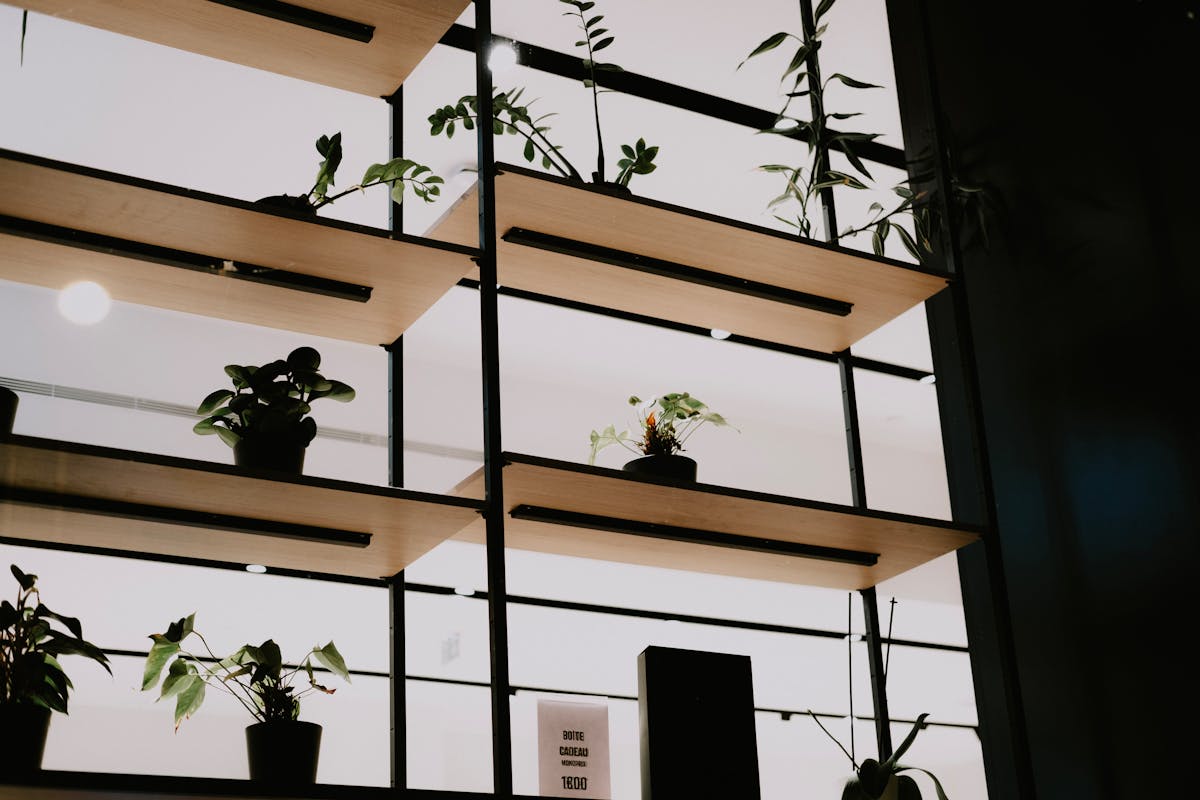
The concept of a plant shelf is simple: it’s a designated area where you can display your plants, whether it’s a dedicated shelf, a window sill, or a vertical wall fixture. This trend caters to plant lovers and interior design enthusiasts alike, allowing you to curate a collection of your favorite species and create a mini indoor garden. With the right setup, you can enjoy the aesthetic benefits of greenery without compromising safety.
Choosing the Right Plants
When selecting plants for your shelf, consider both aesthetics and safety. While you may be drawn to vibrant, exotic plants, it’s crucial to choose varieties that are suitable for indoor environments and non-toxic to pets or children if they are part of your household. Some popular choices include:
1. Pothos (Epipremnum aureum): Known for its trailing vines and heart-shaped leaves, pothos is easy to care for and thrives in various lighting conditions.
2. Spider Plant (Chlorophytum comosum): This resilient plant produces “baby” offshoots and can tolerate neglect, making it ideal for beginners.
3. Snake Plant (Sansevieria trifasciata): With its striking upright leaves, the snake plant is nearly indestructible and helps purify indoor air.
4. Boston Fern (Nephrolepis exaltata): If you’re looking for a lush, full plant, the Boston fern adds soft texture and loves humidity.
Avoid plants that are toxic to pets, such as philodendrons and lilies. If you’re unsure about a specific plant, check resources from local extension services or gardening centers.
Creating a Safe Setup
Once you’ve chosen your plants, it’s time to set up your shelf. Here are some key considerations to create a safe environment:
1. Choose the Right Location:
Select a spot that provides adequate light without direct harsh sunlight, which can scorch leaves. A north or east-facing window is usually ideal for most houseplants. Avoid placing plants in high-traffic areas where they might be knocked over or become difficult to care for.
2. Secure Your Plants:
Ensure that the shelf is sturdy enough to support your plants. If you have larger pots or heavier plants, consider using brackets or wall mounts designed for plant shelves. This will prevent accidents and ensure your plants are securely displayed.
3. Select Appropriate Containers:
Use pots with drainage holes to prevent water from accumulating at the bottom, which can cause root rot. Consider using saucers to catch excess water, and choose materials that match your home’s aesthetic.
4. Avoid Overcrowding:
While it may be tempting to fill your shelf with as many plants as possible, overcrowding can lead to competition for light and air. Give each plant enough space to grow and breathe. This is especially crucial when layering plants on multiple levels.
5. Monitor Watering Needs:
Different plants have varying watering requirements. Be sure to research the specific needs of each species and establish a watering routine. Overwatering is a common mistake that can lead to root rot, so always check the soil moisture before watering.
6. Keep Pets and Kids in Mind:
If you have pets or young children, prioritize plants that are non-toxic. Additionally, consider the height of the shelf; higher shelves can keep plants out of reach from curious hands and paws. If you must place plants within reach, educate children about which plants they can and cannot touch.
Common Mistakes to Avoid
As you embark on your plant shelving journey, be mindful of these common pitfalls:
Ignoring Light Conditions: Not all plants thrive in the same light. Ensure you understand the light requirements of each plant and adjust their placement accordingly.
Neglecting Humidity Needs: Some plants, like ferns, require higher humidity levels. You can increase humidity by misting them regularly or placing a small humidifier nearby.
Overlooking Seasonal Changes: As seasons change, so do the light levels in your home. Be prepared to move your plants to different locations as needed.
Forgetting About Fertilization: Indoor plants often require regular feeding during their growing season (spring and summer). Use a balanced, water-soluble fertilizer according to the package instructions.
Maintaining Your Plant Shelf
To keep your plant shelf looking fresh and thriving, establish a regular maintenance routine. Dust leaves to enhance their ability to photosynthesize, check for pests frequently, and prune dead or yellowing leaves to promote healthy growth.
Additionally, rotate your plants occasionally to ensure even growth, as they may lean toward the light. This simple practice can keep your plants looking lush and vibrant.
By following these guidelines, you can create a stunning and safe plant shelf that enhances your home while ensuring a nurturing environment for your plants. Enjoy the beauty and serenity that indoor gardening brings, and don’t forget to celebrate your successes as your green friends flourish!