Meet the Resilient Snake Plant: Your Go-To Indoor Companion for Winter Survival
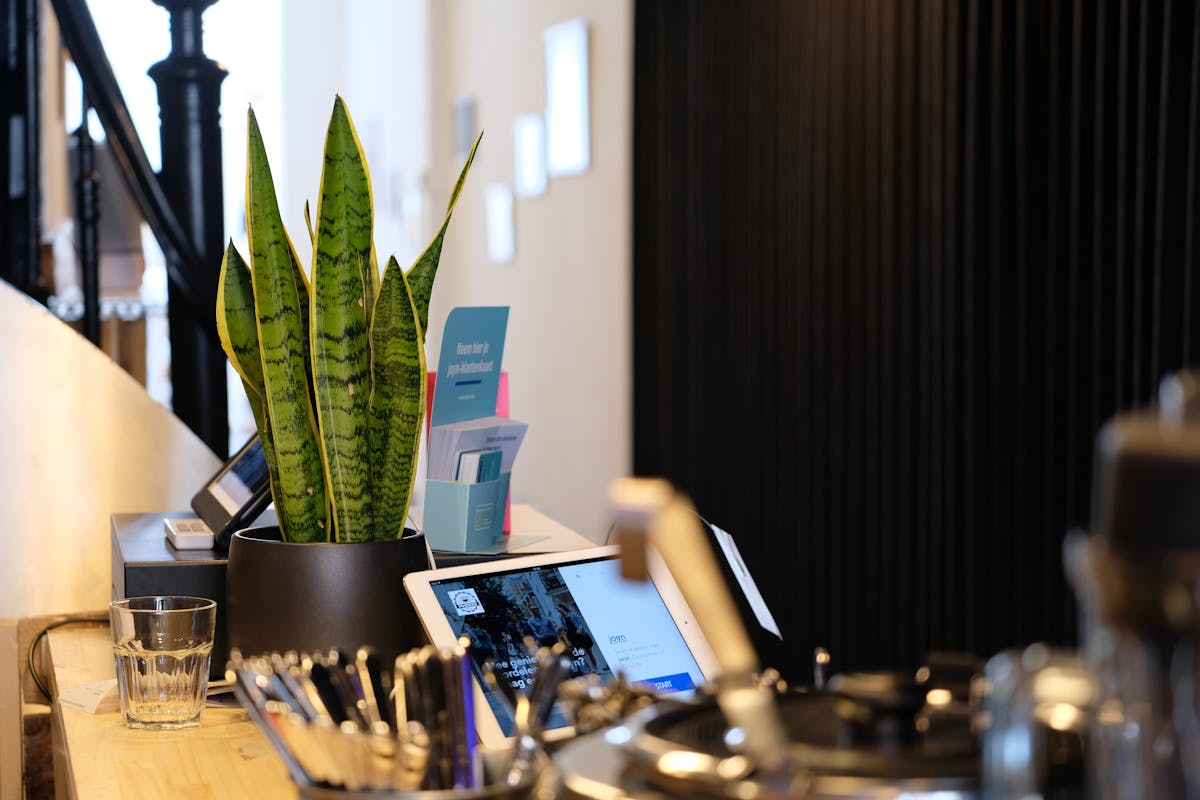
As the winter months approach, many gardeners begin to worry about their beloved indoor plants. With shorter days, lower humidity, and the potential for chilly drafts, keeping plants healthy can feel like a daunting task. However, not all indoor plants are created equal when it comes to thriving in these conditions. Enter the snake plant, also known as Sansevieria or mother-in-law’s tongue, a hardy indoor plant that can not only survive but flourish even during the coldest months of the year.
WHY CHOOSE A SNAKE PLANT?
The snake plant is a popular choice among both beginner and intermediate gardeners due to its remarkable resilience and low-maintenance requirements. Here are a few reasons why it stands out as an ideal indoor companion:
1. Tolerance to Low Light: Snake plants can thrive in various lighting conditions, from bright indirect light to low light. This adaptability makes them perfect for rooms that don’t receive much natural sunlight during the winter months.
2. Minimal Watering Needs: Unlike many houseplants that require regular watering, snake plants can go weeks without moisture. Over-watering is a common mistake among indoor gardeners. This plant prefers to dry out between waterings, making it an excellent choice for those who might forget to tend to their plants regularly.
3. Air Purification: Snake plants are known for their air-purifying qualities. They can help filter out toxins from the air, making your living environment healthier, especially during the winter when we tend to spend more time indoors.
4. Stylish Aesthetics: With their tall, striking leaves that can grow upright or cascade, snake plants add a modern touch to any room. Their unique patterns and colors can complement various interior designs.
CARING FOR YOUR SNAKE PLANT IN WINTER
While snake plants are hardy, they still require some care to ensure they thrive during the winter months. Here’s a guide to keeping your snake plant healthy:
Light Requirements: Place your snake plant in a location where it can receive indirect sunlight. Avoid placing it in direct sunlight, as this can scorch its leaves. If your home lacks natural light during winter, consider using grow lights to supplement.
Watering Practices: During the winter, snake plants enter a dormant phase and require less water. Allow the soil to dry out completely before watering again. A good rule of thumb is to check the moisture level every 2-3 weeks. If the top inch of soil feels dry, it’s time to give your plant a drink.
Temperature and Humidity: Snake plants thrive in temperatures ranging from 60°F to 80°F (15°C to 27°C). Keep them away from cold drafts, such as those from windows or doors. While they can tolerate lower humidity levels, it’s a good idea to maintain a humidity level above 30% for optimal health.
Fertilization: Snake plants don’t require much fertilization, especially during the winter. If you choose to fertilize, do so sparingly with a balanced houseplant fertilizer, but only during the growing season (spring and summer). Stop fertilizing in the fall to allow the plant to rest.
Repotting: Snake plants prefer to be slightly root-bound, so repotting is usually only necessary every couple of years. If you notice roots growing out of the drainage holes or the soil seems depleted, it may be time to repot. Use a well-draining potting mix, such as one formulated for succulents.
COMMON MISTAKES TO AVOID
Even with their low-maintenance nature, snake plants can face issues if specific care guidelines are not followed. Here are a few common mistakes to avoid:
1. Overwatering: This is the most common issue for snake plant owners. Make sure your pot has drainage holes, and always check the soil moisture before watering.
2. Neglecting Dust: Dust can accumulate on the leaves, blocking sunlight and hindering photosynthesis. Wipe the leaves occasionally with a damp cloth to keep them clean and healthy.
3. Ignoring Pests: Though snake plants are generally pest-resistant, they can still attract mealybugs and spider mites. If you notice any pests, treat them promptly with insecticidal soap or neem oil.
4. Using the Wrong Soil: Choose a well-draining soil mix. Potting soil designed for cacti or succulents works well for snake plants.
5. Forgetting About Temperature: Ensure your snake plant is not exposed to temperatures below 50°F (10°C). Sudden temperature fluctuations can stress the plant and affect its health.
CONCLUSION
The snake plant is truly a remarkable indoor plant that can enhance your home while requiring minimal effort to thrive. With its ability to adapt to various conditions and its striking appearance, it’s a fantastic choice for winter. By following proper care guidelines, you can keep your snake plant healthy and vibrant throughout the colder months. So, embrace the winter with this resilient companion, and enjoy the beauty of nature indoors, no matter how chilly it gets outside!