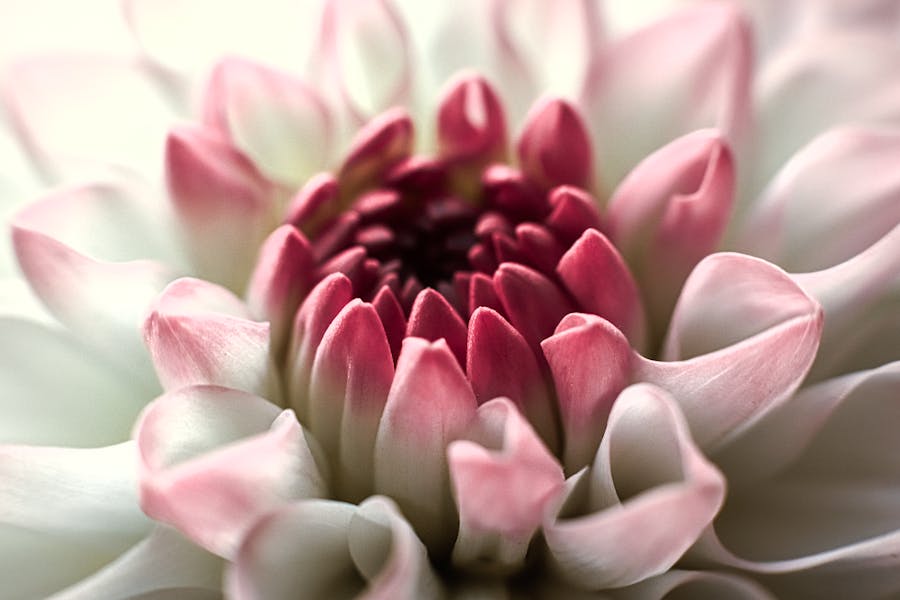
Meet the Stunning Pink Princess: A Fast-Growing Indoor Plant That Will Brighten Your Home

The Pink Princess Philodendron, often simply called the Pink Princess, is quickly becoming a favorite among indoor plant enthusiasts and home gardeners alike. With its striking rose-tinted leaves and robust growth, this plant not only adds a pop of color to your indoor spaces but also serves as a conversation starter. If you’re looking to cultivate a stunning indoor garden, here’s everything you need to know about this fast-growing beauty.
A Quick Introduction to the Pink Princess
The Pink Princess Philodendron is a cultivar of the Philodendron genus, known for its heart-shaped leaves that can exhibit a mix of deep green and vibrant pink hues. This plant is native to the tropical rainforests of South America, where it thrives in the understory, making it well-suited for indoor environments. Unlike some houseplants that can be finicky, the Pink Princess is relatively easy to care for, making it perfect for both beginners and intermediate gardeners.
Growth Characteristics
One of the most appealing aspects of the Pink Princess is its growth rate. Under the right conditions, this plant can grow several inches a month. It typically reaches a height of 2 to 3 feet, making it an ideal choice for tabletops, shelves, or even as a floor plant. The combination of pink and green leaves creates a stunning visual effect that can brighten any room.
Ideal Growing Conditions
To keep your Pink Princess thriving, it’s essential to replicate its natural habitat as closely as possible. Here are some key factors to consider:
Light: The Pink Princess prefers bright, indirect sunlight. Too much direct sunlight can scorch its delicate leaves, while too little light may inhibit its growth and color vibrancy. A spot near a north or east-facing window is often ideal.
Temperature: This plant enjoys warm temperatures, ideally between 65°F and 80°F (18°C to 27°C). Avoid placing it in drafty areas or near heating vents, as sudden temperature fluctuations can stress the plant.
Humidity: Being a tropical plant, the Pink Princess thrives in higher humidity levels—ideally above 50%. If your home is dry, consider using a humidifier or placing a tray of water with pebbles beneath the pot to increase moisture in the air.
Soil: A well-draining potting mix is crucial. A blend designed for aroids or a regular houseplant mix amended with perlite or orchid bark can work well. Good drainage prevents root rot, which is a common issue with indoor plants.
Watering Guidelines
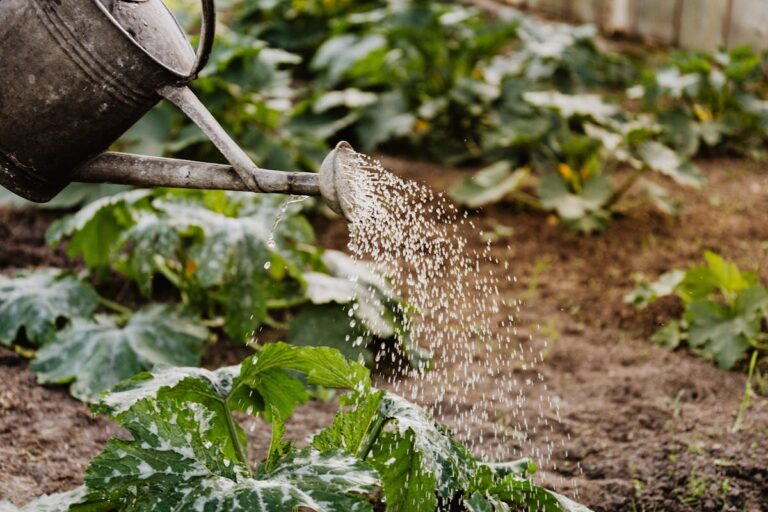
When it comes to watering, it’s better to err on the side of under-watering than over-watering. Allow the top inch of soil to dry out before watering again. Typically, this means watering every 1 to 2 weeks, depending on your home’s conditions. During the growing season (spring and summer), you may need to increase watering frequency, while in the dormant months (fall and winter), reduce it.
Fertilizing for Optimal Growth
To encourage lush growth and vibrant color, feed your Pink Princess every 4-6 weeks during the growing season with a balanced, water-soluble fertilizer diluted to half strength. Avoid fertilizing in the winter months when the plant is not actively growing.
Pruning and Propagation
As the Pink Princess grows, you may find it beneficial to prune it occasionally. This not only helps maintain its shape but also encourages bushier growth. Use clean, sharp scissors or pruning shears to snip off any leggy growth or yellowing leaves.
Propagation is easy with this plant, making it a fun project for gardeners. You can propagate through stem cuttings. Ensure each cutting has at least one node (the bump on the stem where leaves grow) and place it in water or directly into a moist potting mix. Roots will develop in a few weeks, and you can then transfer them to their own pots.
Common Mistakes to Avoid
While the Pink Princess is generally easy to care for, some common pitfalls can hinder its growth:
1. Overwatering: This is the most prevalent issue among indoor plant owners. Always check the soil moisture before watering.
2. Insufficient Light: Ensure your plant gets adequate indirect light; otherwise, it may lose its vibrant color.
3. Ignoring Pests: Keep an eye out for common pests like spider mites or aphids. If you notice any, treat the plant promptly with insecticidal soap or neem oil.
Final Thoughts
The Pink Princess Philodendron is more than just a pretty plant; it’s a delightful addition to any indoor garden. With its fast growth and unique coloration, it can easily become a centerpiece in your home. By following the care tips outlined above, you’ll ensure that your Pink Princess not only survives but thrives, bringing joy and beauty to your indoor spaces for years to come. Happy gardening!